




What's Happening?
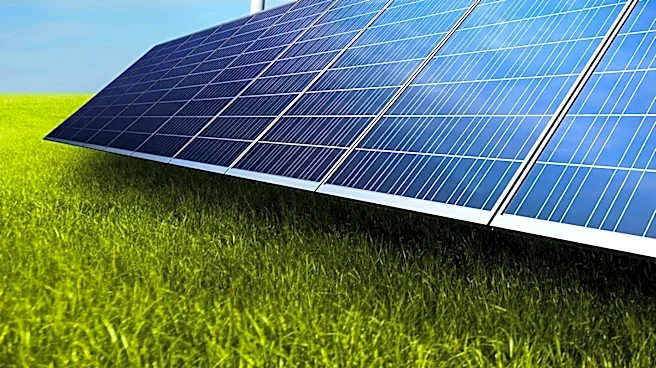
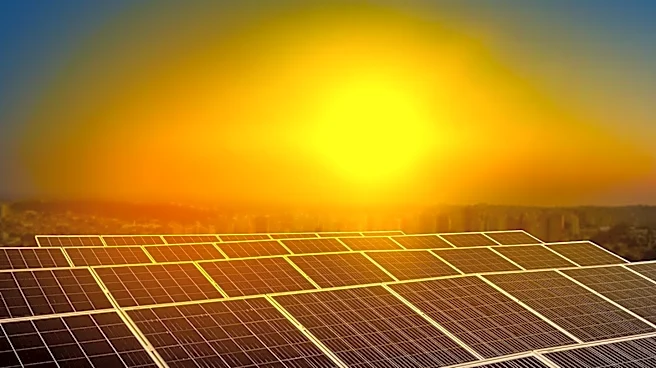
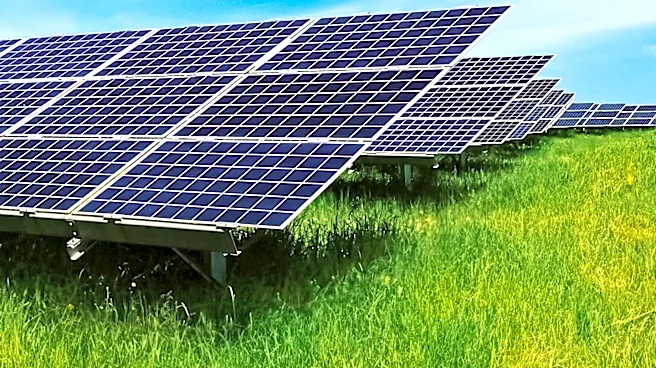
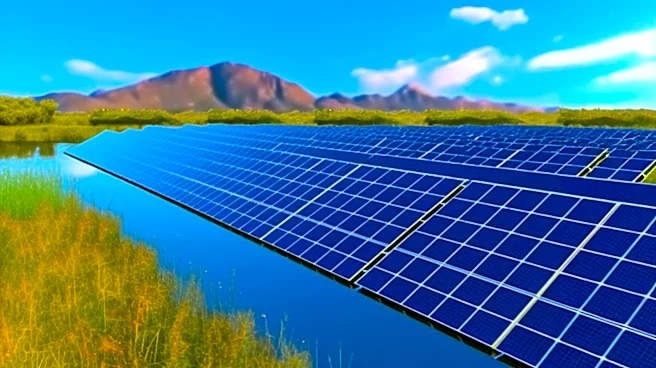
Engineers have successfully constructed and are operating the Simo solar park near the Arctic Circle. This solar farm is notable for running for almost 22 hours a day during the summer months. A key feature contributing to its efficiency is the use of
double-sided panels, with snow reflecting sunlight onto both sides, significantly boosting energy production. This development has contributed to Nordic investors adding more new solar capacity than wind for the first time last year. Both Sweden and Finland have achieved their 2030 solar targets years ahead of schedule, demonstrating the unexpected viability and success of solar energy in high-latitude regions.
Why It's Important?
The success of the Simo solar park challenges conventional assumptions about the limitations of solar energy in regions with long periods of darkness and cold temperatures. Its ability to operate for extended hours during summer, enhanced by snow reflection, provides a compelling case study for renewable energy development in previously overlooked areas. This achievement has significant implications for global energy policy and investment, suggesting that solar power can play a more substantial role in the energy mix of northern countries. For the U.S., this could inspire similar innovative approaches to renewable energy in colder states or regions with unique environmental conditions, potentially diversifying the national energy portfolio and contributing to energy independence. The exceeding of 2030 solar targets by Sweden and Finland also sets a precedent for accelerated renewable energy adoption, highlighting the potential for rapid progress with strategic innovation.
What's Next?
The success of the Simo solar park is likely to encourage further investment and research into solar energy solutions tailored for high-latitude and cold climates. Engineers and energy companies may explore similar designs, such as double-sided panels and strategies to leverage snow reflection, in other northern regions globally. This could lead to the development of new technologies and best practices for cold-weather solar installations. Policymakers in countries with similar climates, including parts of the U.S., might re-evaluate their renewable energy strategies and targets, potentially increasing their reliance on solar power. The trend of Nordic investors prioritizing solar over wind could also influence investment patterns in other markets, shifting focus towards solar as a more viable and efficient option in certain contexts. Continued monitoring of the Simo park's long-term performance will provide valuable data for future projects.
Beyond the Headlines
The Simo solar park's success represents a significant paradigm shift in the perception of renewable energy potential. It demonstrates that innovative engineering can overcome geographical and climatic challenges previously thought to be insurmountable for solar power. This development has broader implications for energy security, as it allows countries to harness local renewable resources even in challenging environments, reducing reliance on imported fossil fuels. Environmentally, expanding solar capacity in such regions contributes to global efforts to reduce carbon emissions and combat climate change. Culturally, it challenges the notion that certain technologies are only suitable for specific climates, fostering a more adaptable and resilient approach to energy infrastructure. The 'killer feature' of snow reflection also highlights how understanding and leveraging natural phenomena can lead to unexpected technological breakthroughs, pushing the boundaries of sustainable development.