
What's Happening?
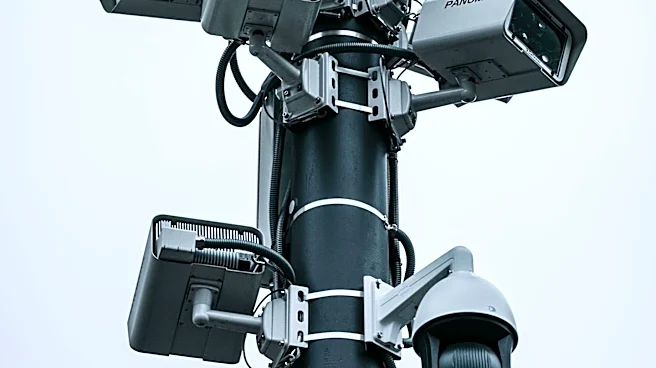
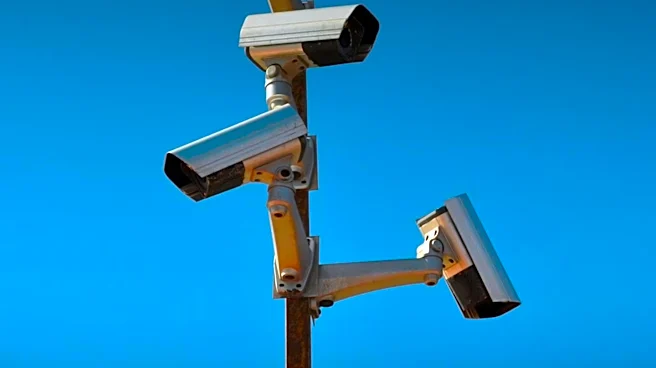
Illinois state lawmakers are proposing new restrictions on automated license plate recognition (ALPR) systems, commonly known as Flock cameras, following numerous allegations of misuse by law enforcement.
The proposed legislation, the Automated License Plate Recognition System Act, aims to limit the types of crimes these cameras can investigate and mandate that agencies delete collected data within three days. This move comes after reports of police officers in the Chicago area and nationwide allegedly using these databases for personal reasons, such as tracking former romantic partners. Civil liberties activists have also raised concerns that law enforcement could use these cameras to cooperate with immigration officials or surveil ordinary citizens. While suburban police chiefs acknowledge the cameras' value in solving crimes, they also agree on the necessity of safeguards to prevent misconduct. Some departments have already begun implementing stricter internal policies, requiring officers to provide specific reasons and case numbers for searches, and Flock Safety is introducing an 'audit assistance' feature to detect abnormal activity.
Why It's Important?
The debate surrounding Flock cameras highlights a critical tension between public safety and individual privacy rights in the U.S. The widespread deployment of ALPR technology, which can collect millions of license plate photos and reconstruct vehicle travel patterns, offers law enforcement a powerful tool for criminal investigations and locating missing persons. However, the potential for abuse, as evidenced by the growing number of misuse cases, raises significant civil liberties concerns. The proposed Illinois legislation and the actions of local departments to implement stricter oversight reflect a broader societal discussion about the appropriate boundaries for surveillance technology. If not properly regulated, these systems could lead to a surveillance state where citizens' movements are constantly tracked, eroding privacy and potentially leading to discriminatory practices. Conversely, overly restrictive regulations could hinder law enforcement's ability to leverage valuable technology in crime prevention and resolution, impacting public safety.
What's Next?
The proposed Automated License Plate Recognition System Act is currently in committee, indicating that further legislative debate and potential amendments are likely. Stakeholders, including law enforcement agencies, civil liberties groups, and community members, will continue to advocate for their respective positions. Local police departments and municipalities may continue to adjust or cancel contracts with ALPR providers based on ongoing concerns and audit findings. The Illinois Secretary of State's office has already demonstrated a willingness to intervene, cutting off access to out-of-state authorities and federal agencies found to be illegally using the system. This suggests a continued push for accountability and compliance with state law. The outcome of these legislative and regulatory efforts in Illinois could set a precedent for other states grappling with similar issues regarding surveillance technology and privacy.
Beyond the Headlines
The controversy surrounding Flock cameras extends beyond immediate privacy concerns, touching upon the ethical implications of pervasive surveillance and the potential for algorithmic bias. The ability to instantly search vast databases of vehicle movements raises questions about the definition of 'suspicious activity' and who determines it. The technology's potential use by immigration officials or for general citizen surveillance could disproportionately affect marginalized communities, leading to a chilling effect on civil liberties. Furthermore, the reliance on technology for monitoring and enforcement necessitates a robust framework for accountability and transparency, as highlighted by the calls for warrants and independent auditing. The long-term societal impact of such widespread data collection on individual freedoms and the relationship between citizens and law enforcement remains a significant, evolving challenge that requires ongoing public discourse and careful policy development.