






What's Happening?
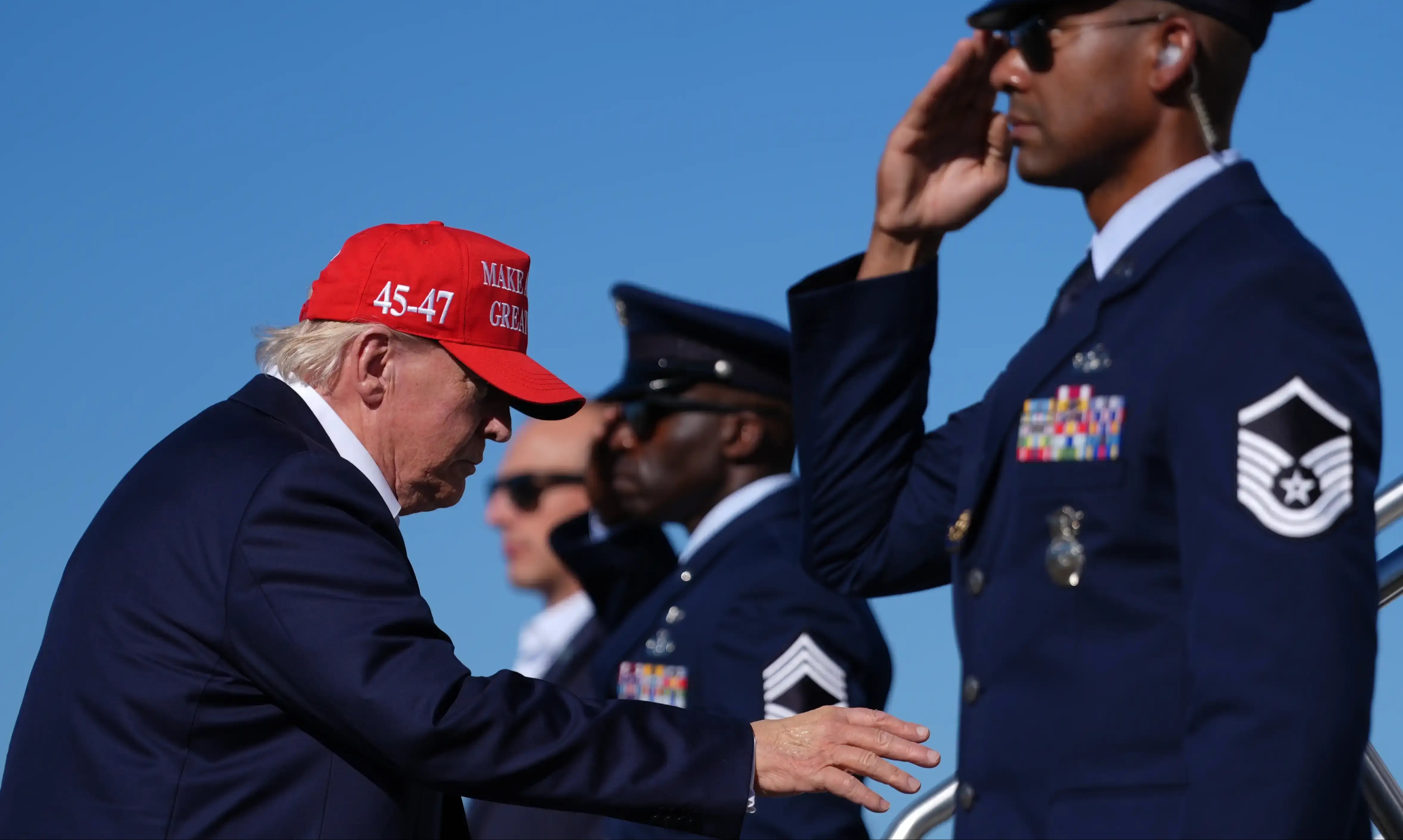
President Trump has publicly called for a ban on the sale of Bombardier jets in the United States unless the Canadian plane manufacturer establishes a manufacturing base within the U.S. In a post on Truth Social, President Trump stated, “NO MORE SELLING
BOMBARDIER IN THE UNITED STATES! Their products aren’t good enough! If they want our Market, they must build here, and stop treating America like a ‘piggybank.’” This declaration marks an escalation in trade tensions between the U.S. and Canada. Bombardier currently operates several manufacturing facilities in the U.S., including a plant in Wichita, Kansas, which produces business jets and military aircraft, and another in Red Oak, Texas, manufacturing parts for its Global 8000 jet. Additionally, over 2,800 U.S.-based suppliers across 47 states contribute to Bombardier's operations, with more than half the parts for its Global 7500 jets being U.S.-made, though final assembly occurs in Canada. This is not the first instance of President Trump targeting Bombardier; in January, he threatened 50% import tariffs on Canadian-made planes and sought to 'decertify' the company's Global Express business jets.
Why It's Important?
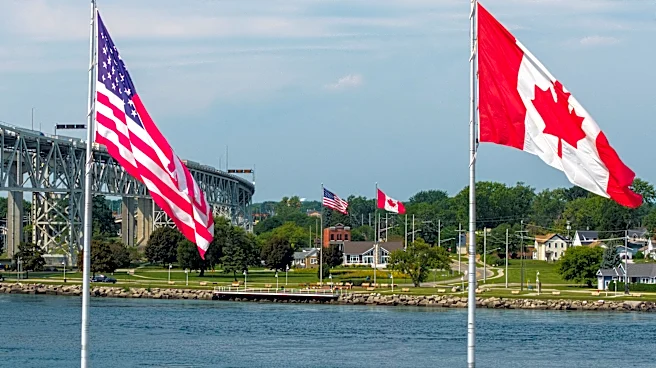
President Trump's demand for Bombardier to establish a U.S. manufacturing base or face a sales ban carries significant implications for U.S. trade policy, the aerospace industry, and international relations. This move aligns with a protectionist stance aimed at boosting domestic manufacturing and employment, potentially creating jobs in the U.S. if Bombardier complies. However, it could also disrupt existing supply chains and increase costs for consumers and businesses reliant on Bombardier aircraft. For the U.S. aerospace sector, it might offer a competitive advantage to American manufacturers like Gulfstream, which President Trump previously referenced. Conversely, it could strain trade relations with Canada, a key economic partner, potentially leading to retaliatory measures. Canada has already announced retaliatory tariffs of 15% to 50% on hundreds of U.S. products, indicating a broader trade dispute. The outcome could influence future foreign investment decisions in the U.S., as companies weigh the risks of political intervention in market access. This situation highlights the ongoing debate between free trade principles and nationalistic economic policies, with potential ripple effects across various U.S. industries.
What's Next?
The immediate next steps involve observing Bombardier's response to President Trump's ultimatum and the potential for further actions from the U.S. administration. Bombardier will need to assess the economic feasibility and strategic implications of establishing a new manufacturing plant in the U.S. versus facing a sales ban in a significant market. The ongoing trade dispute with Canada is expected to intensify, with Canada's announced retaliatory tariffs on U.S. goods taking effect. This could lead to further negotiations between the two countries to de-escalate the situation or result in a prolonged trade conflict impacting various sectors. U.S. businesses and consumers could face higher prices on Canadian imports due to these tariffs. Additionally, other international companies with significant U.S. market presence might re-evaluate their manufacturing and supply chain strategies to mitigate similar risks of political intervention. The situation could also prompt discussions within the U.S. Congress regarding the executive branch's authority in imposing such trade restrictions and their broader economic impact.
Beyond the Headlines
Beyond the immediate trade implications, President Trump's stance on Bombardier reflects a broader shift towards economic nationalism and a 'America First' approach to trade. This strategy prioritizes domestic production and job creation, even at the risk of disrupting established international trade agreements and relationships. The demand for foreign companies to build manufacturing facilities in the U.S. to access its market could set a precedent for other industries and countries, potentially leading to a more fragmented global economy. Ethically, it raises questions about fair competition and the role of government in dictating corporate investment decisions. Legally, such a ban could face challenges under international trade laws and agreements, potentially leading to disputes at organizations like the World Trade Organization. Culturally, it reinforces a narrative of protecting American workers and industries, which resonates with a segment of the U.S. electorate. The long-term shift could be towards a global trade environment where market access is increasingly tied to in-country production, altering traditional supply chains and international business models.