



What's Happening?
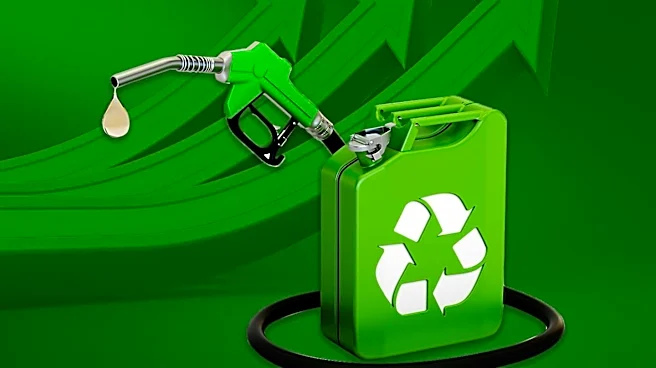
U.S. Representative Lauren Boebert (R-CO) has advocated for a temporary halt on U.S. diesel exports, proposing the pause extend through January 2027. Following this initial period, she suggests a joint review by Congress and the Administration to assess
the necessity of a further three-month extension. Representative Boebert emphasized that American producers, particularly in Colorado, should not be compelled to subsidize foreign markets while facing elevated prices domestically. She highlighted the current situation where farmers are incurring record costs for fuel, and families are grappling with daily affordability challenges, even as the U.S. continues to export diesel. Her call aims to prioritize American energy needs and consumers, providing relief to farmers, ranchers, and truckers.
Why It's Important?
This proposal carries significant implications for the U.S. energy market, agricultural sector, and transportation industry. A pause on diesel exports could potentially lower domestic diesel prices, directly benefiting farmers and ranchers who rely heavily on diesel for their operations, thereby reducing their input costs. The trucking industry, a cornerstone of the U.S. supply chain, would also see relief from reduced fuel expenses, which could, in turn, mitigate inflationary pressures on goods and services. However, such a move could also impact international trade relations and the global energy market, potentially leading to higher diesel prices in countries that depend on U.S. exports. The proposal underscores a broader debate about balancing domestic economic relief with international energy commitments and market dynamics. It highlights the tension between supporting American consumers and producers and maintaining a role in the global energy supply.
What's Next?
The next steps would involve Congress and the Administration considering Representative Boebert's proposal for a temporary pause on diesel exports. This would likely entail discussions within relevant congressional committees and engagement with the executive branch to evaluate the economic and geopolitical ramifications. Stakeholders such as agricultural associations, trucking industry groups, and energy companies would likely weigh in, presenting their perspectives on the potential benefits and drawbacks. If the proposal gains traction, legislative action or executive orders could be pursued to implement the pause. A joint review between Congress and the Administration would then be scheduled for January 2027 to determine if an extension is warranted, based on market conditions and domestic needs at that time. The outcome will depend on political will, economic analysis, and the ability to forge consensus among diverse interests.
Beyond the Headlines
Beyond the immediate economic relief, Representative Boebert's call for a diesel export pause touches upon deeper themes of energy independence and national economic sovereignty. It reflects a growing sentiment among some policymakers to prioritize domestic needs over global market integration, especially in critical sectors like energy. This approach could signal a shift towards more protectionist energy policies, potentially influencing future trade agreements and energy strategies. Ethically, it raises questions about the U.S.'s responsibility as a major energy producer to both its citizens and the international community. Culturally, it resonates with the 'America First' rhetoric, emphasizing the well-being of American workers and industries. The long-term implications could include a re-evaluation of U.S. energy export policies, potentially leading to more stringent controls or strategic reserves to buffer against domestic price volatility, thereby reshaping the country's role in the global energy landscape.