





What's Happening?
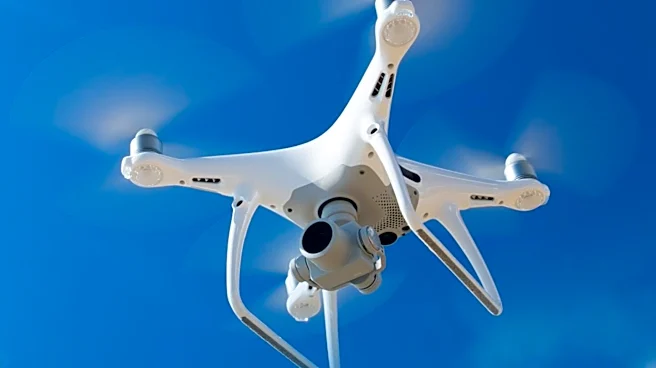
Xiaodong He has been charged with federal offenses for flying a drone through restricted airspace over NASA’s Kennedy Space Center. The incident occurred on July 25, when He operated a DJI Mavic 4 Pro drone within 1.56 miles of Space Launch Complex 39B
and 4.23 miles of the Rotation, Processing and Surge Facility. According to an affidavit by NASA Office of Inspector General Special Agent Christine Beers, Kennedy Space Center Security Police responded to a drone notification and found He operating the device at Playalinda Beach Vista #8 parking lot, which is within restricted zone R-2932. He is charged with violating National Defense Airspace under 49 U.S.C. 46307 and operating an aircraft without an airman’s certificate under 49 U.S.C. 46306(b)(7).
Why It's Important?
This incident highlights the critical security challenges posed by unauthorized drone operations near sensitive national defense and space infrastructure. Kennedy Space Center is a vital national asset, and unauthorized flights can compromise security, disrupt operations, and potentially endanger personnel and equipment. The charges underscore the federal government's commitment to enforcing airspace regulations, particularly around critical facilities. This case serves as a reminder to both domestic and international visitors about the strict rules governing drone usage in the U.S., especially near government and defense installations. The prosecution of such cases is crucial for maintaining the integrity of restricted airspaces and ensuring the safety of national security assets, impacting how future drone regulations might be enforced or expanded.
What's Next?
Xiaodong He faces legal proceedings following the federal charges. A criminal complaint is an accusation, and He is presumed innocent until proven guilty in court. The case will proceed through the U.S. judicial system, potentially involving further investigations, court appearances, and a trial. The outcome could include fines, imprisonment, or both, depending on the severity of the offenses and the court's decision. This incident may also prompt increased vigilance and potentially new measures by NASA and other federal agencies to detect and deter unauthorized drone activities around critical infrastructure. Educational campaigns for tourists and the general public regarding restricted airspace regulations, especially near sensitive sites, might also be enhanced to prevent similar occurrences in the future.
Beyond the Headlines
This event brings to light the broader implications of drone technology and its intersection with national security and privacy. The proliferation of easily accessible drone technology presents a persistent challenge for authorities tasked with protecting critical infrastructure. Beyond the immediate security concerns, there are ethical considerations regarding surveillance and data collection by private individuals in sensitive areas. This case could influence future policy debates on drone registration, licensing, and the development of counter-drone technologies. It also highlights the need for international cooperation in regulating drone use, as tourists from other countries may not be fully aware of U.S. airspace laws. The incident underscores a growing tension between technological accessibility and the imperative for national security, prompting a reevaluation of how to balance these competing interests effectively.