






What's Happening?
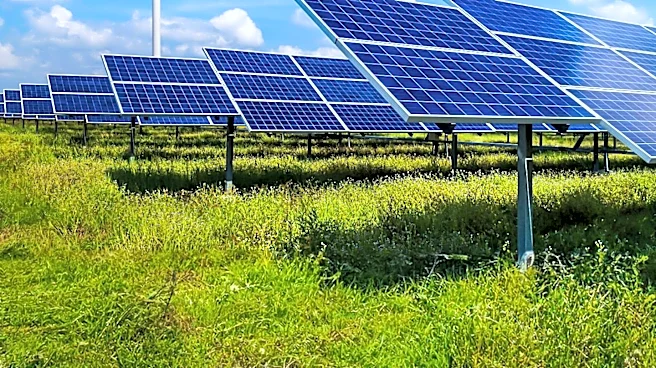
The state of Hawai'i Department of Transportation (DOT) is constructing new solar and storage microgrids on O'ahu and Kaua'i to bolster energy resilience at its facilities. These projects, developed in collaboration with Sustainability Partners and Hensel
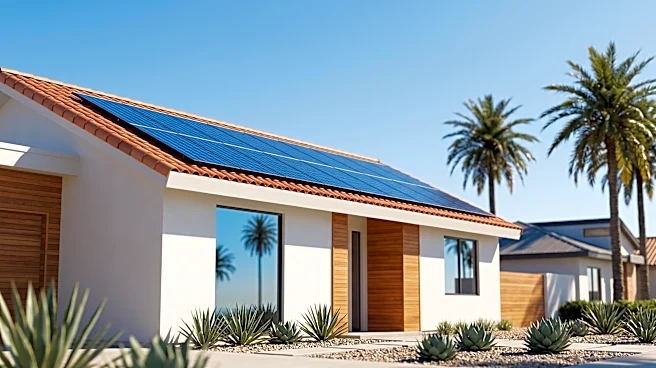
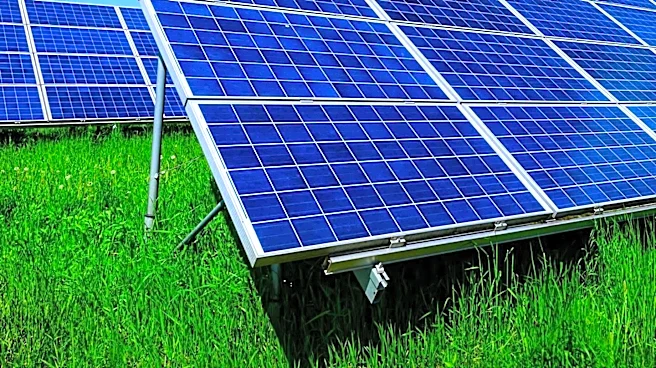
Phelps, will integrate solar canopies, battery energy storage systems, and electric vehicle (EV) charging stations. The O'ahu microgrid, located at the HDOT District Main Office on Kakoi Street, will feature a 1-MW battery storage system and solar PV canopies generating 1.5 MWh. It will also include over 40 Level 2 EV chargers and one 200-kW dual-port direct current fast charger. Similarly, the Kaua'i microgrid at the HDOT Highways' Kaua'i District Main Office Facility on Haleukana Street will incorporate a 1 MW battery energy storage system and solar PV canopies projected to produce 700 kWh of renewable energy daily, alongside more than 12 Level 2 chargers and one dual-port 200 kW DC fast charger. Both systems will utilize Schneider Electric's EcoStruxure microgrid control system to manage the various resources and loads.
Why It's Important?
These solar microgrid installations are a critical step in strengthening Hawai'i's infrastructure against severe weather events and multi-day blackouts, which are increasingly relevant given the state's geographic vulnerability. By providing energy independence for essential DOT facilities, the projects ensure continuity of operations for transportation services, which are vital for emergency response and daily life. The integration of battery storage addresses the intermittency of renewable energy sources like solar, making the grid more reliable and stable. Furthermore, the inclusion of EV charging stations supports the state's transition to a cleaner, low-carbon future by promoting sustainable transportation. This initiative serves as a model for other regions seeking to enhance energy security and reduce reliance on traditional fossil fuel-based grids, demonstrating a practical application of renewable energy technology for critical infrastructure.
What's Next?
The ongoing construction of these microgrids signifies a continued commitment to renewable energy and resilience in Hawai'i. Following their completion, the performance and effectiveness of these systems in maintaining energy supply during outages and integrating renewable energy into the grid will be closely monitored. The success of these projects could pave the way for similar microgrid deployments across other critical state facilities and potentially inspire broader adoption within the private sector. Future developments may include expanding the capacity of these microgrids, incorporating additional renewable energy sources, and further integrating them with the broader utility grid to enhance overall energy stability. The data and lessons learned from these installations will be crucial for informing future energy policy and infrastructure planning in Hawai'i and beyond.
Beyond the Headlines
The implementation of these microgrids extends beyond immediate energy resilience, touching upon broader themes of environmental sustainability and technological innovation. By reducing the carbon footprint of DOT facilities, Hawai'i is actively contributing to global efforts to combat climate change. The use of intelligent microgrid controls represents a significant advancement in energy management, showcasing how digital technologies can optimize energy production, storage, and consumption. This move also highlights a shift towards decentralized energy systems, which can offer greater security and flexibility compared to traditional centralized grids. Ethically, it underscores the responsibility of government entities to ensure essential services remain operational, especially in the face of increasing climate-related challenges. Culturally, it reinforces Hawai'i's commitment to environmental stewardship and sustainable living, aligning with traditional values of caring for the land and resources.