




What's Happening?
North Dakota Representative Julie Fedorchak has identified the Safeguard American Voter Eligibility Act, known as the SAVE Act, as a primary legislative focus as Congress reconvenes. The proposed bill aims to mandate photo identification for voters to verify
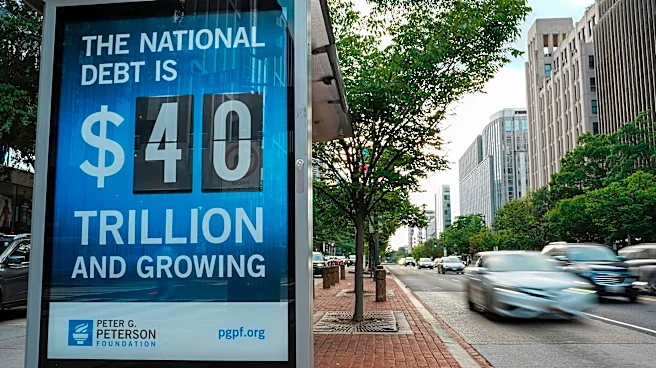
their citizenship, a measure that mirrors existing election security protocols in North Dakota. Fedorchak emphasized the importance of this legislation for ensuring the integrity of the voting process. Additionally, she highlighted the critical need for Congress to finalize federal budget bills to prevent a potential government shutdown. Her statements underscore a dual focus on both electoral reform and fiscal responsibility as key priorities for the upcoming legislative session.
Why It's Important?
The push for the SAVE Act by Representative Fedorchak is significant as it reflects a broader national debate on voter identification laws and election security. If passed, a federal mandate requiring photo ID for citizenship verification could standardize voting procedures across the U.S., potentially impacting voter access and participation. Proponents argue such measures enhance public confidence in election outcomes by preventing non-citizens from voting, while critics often raise concerns about potential disenfranchisement of eligible voters who may lack readily available photo identification. The emphasis on completing federal budget bills is also crucial, as a government shutdown could have widespread economic and social repercussions, disrupting federal services and impacting various sectors of the U.S. economy.
What's Next?
As Congress returns to session, the SAVE Act is expected to be introduced or advanced, initiating legislative debate and potential committee hearings. The bill will likely face scrutiny and discussion regarding its constitutionality, practical implementation, and potential impact on voter turnout. Concurrently, lawmakers will be under pressure to negotiate and pass federal budget bills to avert a government shutdown. This process will involve complex discussions and potential compromises between different political factions. The outcomes of these legislative efforts will significantly influence future election administration practices and the stability of federal government operations.
Beyond the Headlines
Beyond the immediate legislative implications, the debate surrounding the SAVE Act touches upon fundamental questions of civic duty, national identity, and the balance between security and access in democratic processes. The requirement for citizenship verification through photo ID could set a precedent for how states manage voter rolls and conduct elections, potentially leading to legal challenges and shifts in voter demographics. The broader context of election integrity, particularly following recent national elections, adds a layer of political and social tension to these discussions. Furthermore, the ongoing struggle to pass federal budgets reflects deeper ideological divisions within Congress regarding fiscal policy and the role of government, with long-term implications for national governance and public trust.