




What's Happening?
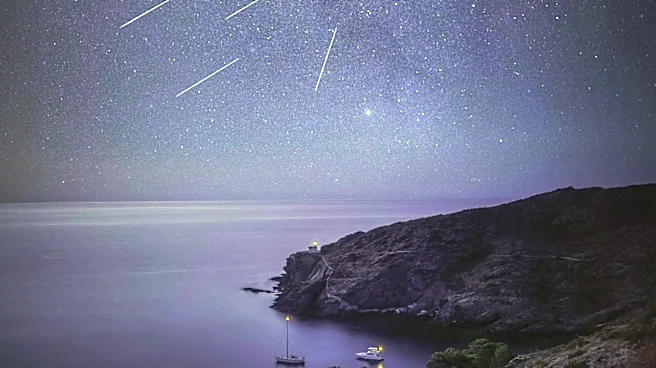
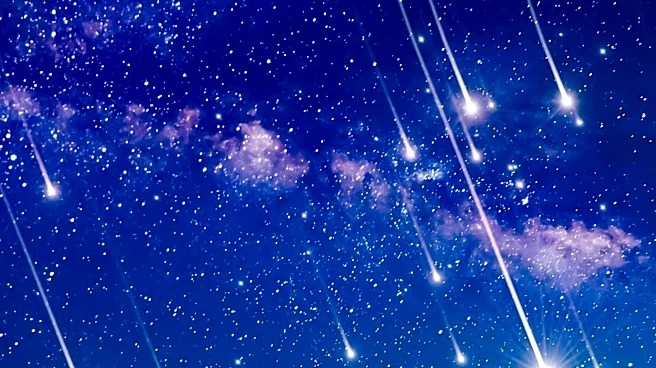
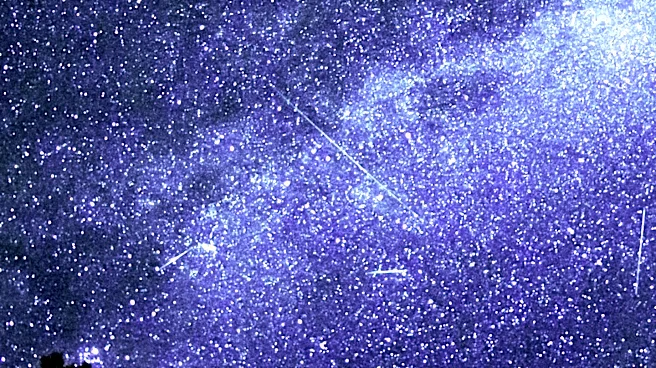
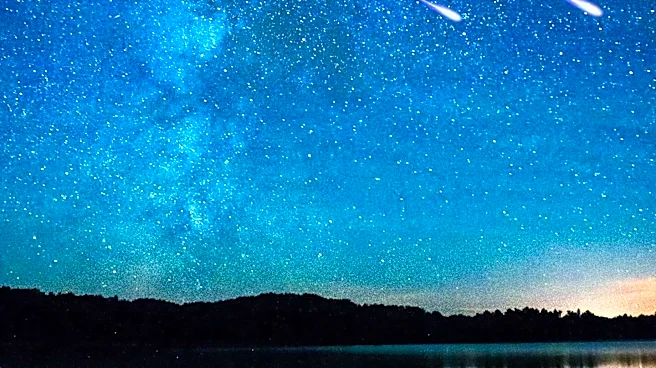
The Perseid meteor shower, one of the most anticipated astronomical events of the year, is set to light up the night sky in August. This annual meteor shower is known for producing bright, fast-moving meteors and fireballs as Earth passes through the debris
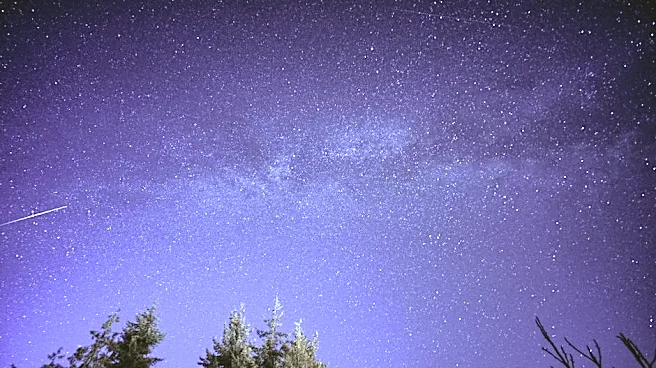
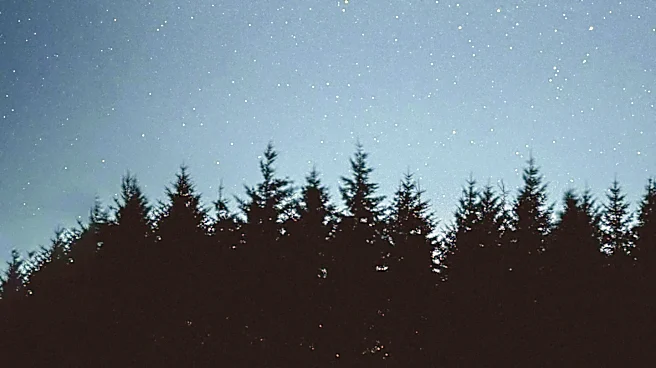
trail left by Comet 109P/Swift-Tuttle. The shower is active from July 17 to August 24, with the peak expected between August 12 and August 13. During this peak, observers under clear, dark skies could witness up to 100 meteors per hour. This year's display is anticipated to be particularly spectacular as it coincides with a new moon, providing darker skies that make even the smallest meteors visible. The meteors appear to radiate from the constellation Perseus, although they can be seen across much of the night sky.
Why It's Important?
The Perseid meteor shower offers a unique opportunity for both amateur and seasoned astronomers to observe a natural celestial event. It is one of the most popular meteor showers due to its high visibility and the frequency of meteors. The event encourages public interest in astronomy and provides educational opportunities for schools and science centers. Additionally, the timing of the shower, coinciding with a new moon, enhances visibility, making it an ideal time for stargazing activities. This event also highlights the importance of preserving dark skies, free from light pollution, to fully appreciate such natural phenomena.
What's Next?
Skywatchers are advised to find a dark location away from city lights for the best viewing experience. Experts recommend allowing eyes 20 to 30 minutes to adjust to the darkness and avoiding looking at phones to maximize visibility. The peak viewing times are after midnight through the pre-dawn hours. As the event approaches, weather forecasts will play a crucial role in determining the best locations for viewing. Astronomy clubs and observatories may organize viewing events, providing telescopes and guidance for enthusiasts.