



What's Happening?
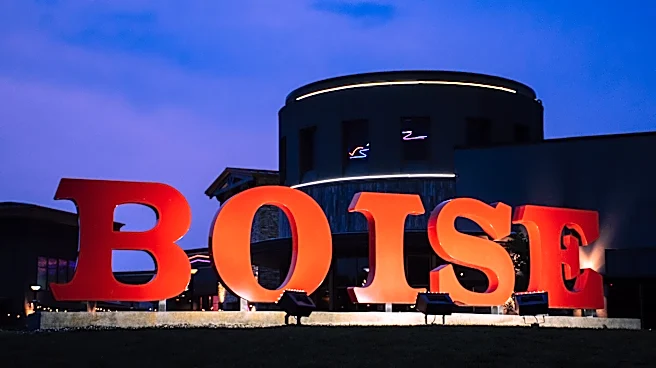
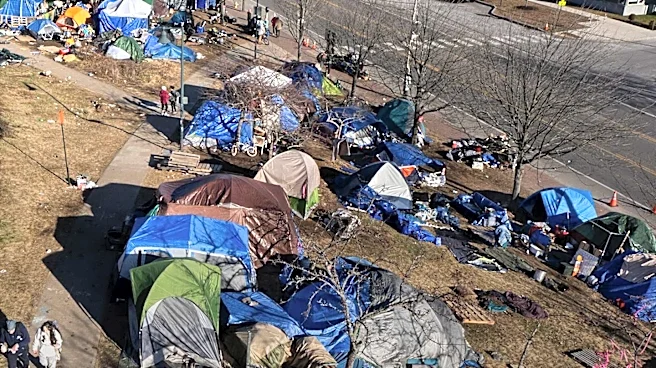
In Boise, Idaho, a law penalizing public camping has led to over 100 citations since its implementation last summer. The law, signed by Governor Brad Little, mandates cities with populations over 100,000 to enforce the ban or face financial penalties.
This legislation, known as the 'Galloway law,' was introduced to address homelessness concerns in Idaho. However, critics argue that it disproportionately affects the homeless, making it harder for them to access resources. Boise Mayor Lauren McLean has defended the city's enforcement of the law, highlighting efforts to reduce unsheltered homelessness by 25% and initiatives to build homes for those exiting homelessness. Despite these efforts, the law's effectiveness is questioned, as many citations are issued to repeat offenders, often in the same locations.
Why It's Important?
The enforcement of this law has significant implications for Idaho's approach to homelessness. While intended to address public safety and cleanliness, the law has sparked criticism for potentially criminalizing homelessness and pushing vulnerable populations further from essential services. The debate highlights a broader national conversation about how cities manage homelessness, balancing public order with compassion and support for the unhoused. The law's impact on Boise's homeless population underscores the challenges cities face in providing adequate resources and support while maintaining public spaces. The situation in Boise may influence similar policies in other U.S. cities grappling with homelessness.
What's Next?
As the law continues to be enforced, its impact on Boise's homeless population will likely remain a contentious issue. Advocates for the homeless may push for policy revisions or increased support services to mitigate the law's effects. The city may also face pressure to demonstrate the law's effectiveness in reducing homelessness and improving public safety. Ongoing dialogue between city officials, law enforcement, and advocacy groups will be crucial in shaping future policies. Additionally, the law's enforcement in other Idaho cities like Meridian and Nampa, which have seen fewer citations, may offer insights into alternative approaches.
Beyond the Headlines
The law raises ethical questions about the criminalization of homelessness and the responsibilities of cities to provide for their most vulnerable residents. It also highlights the need for comprehensive data on homelessness to inform policy decisions. The variation in enforcement across Idaho cities suggests differing local priorities and resource availability, which could influence future legislative efforts. The situation in Boise may serve as a case study for other regions considering similar measures, emphasizing the importance of balancing enforcement with empathy and support.