

What's Happening?
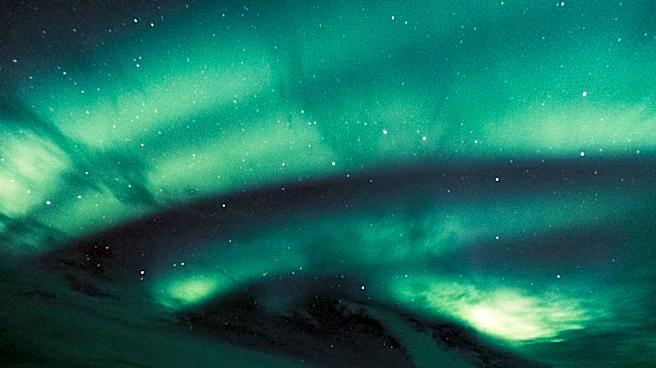
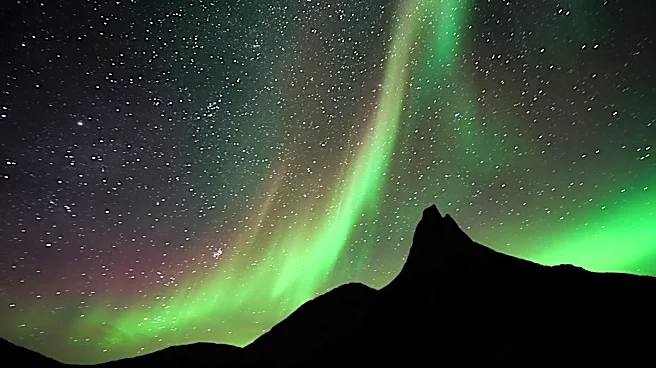
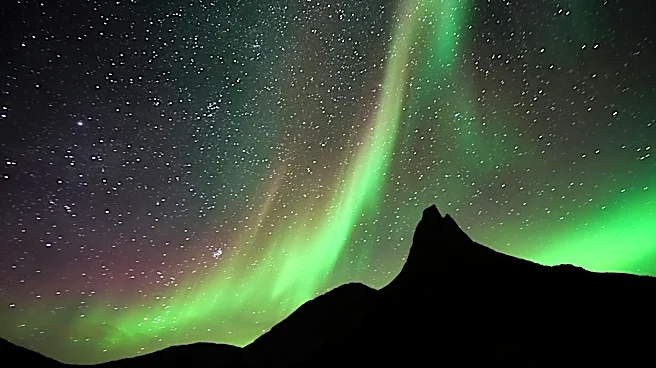
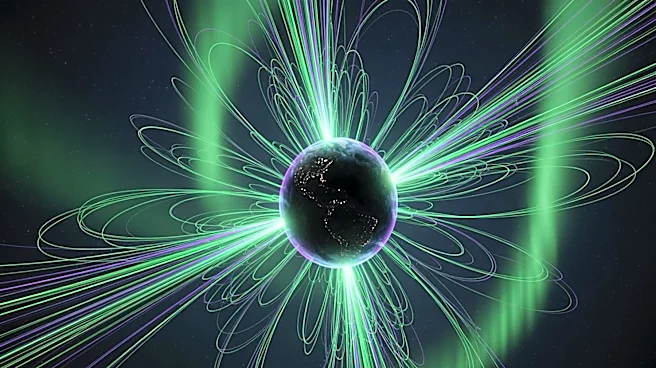
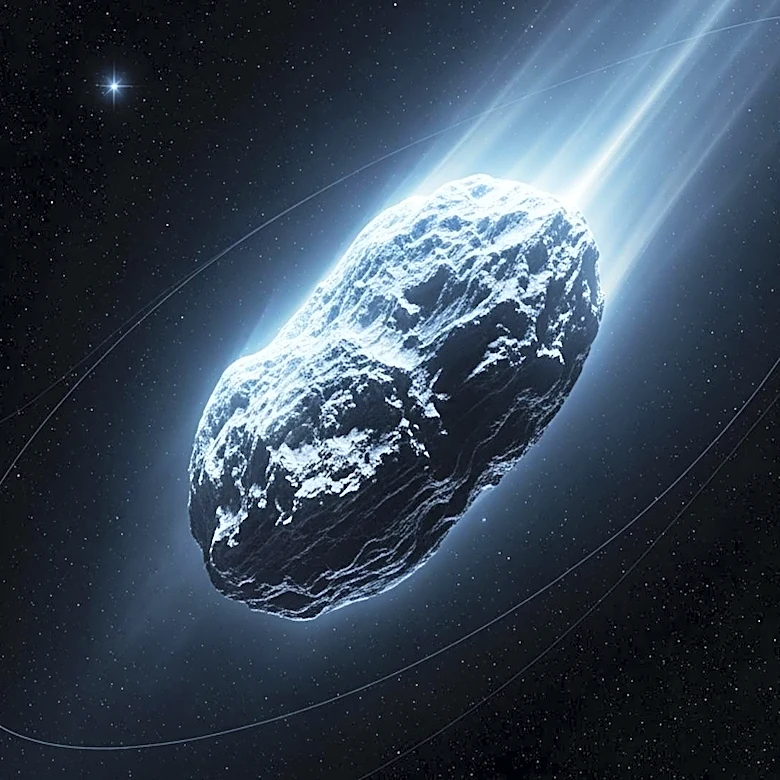
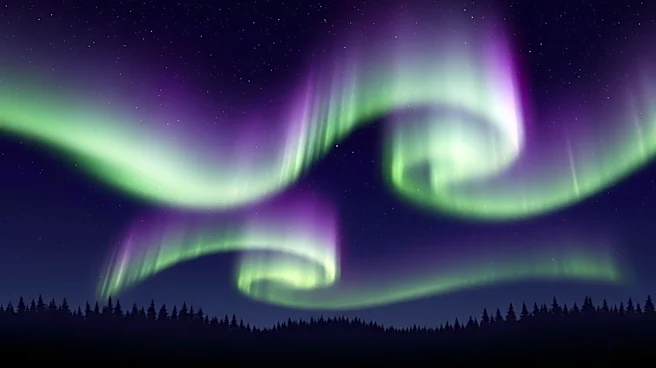
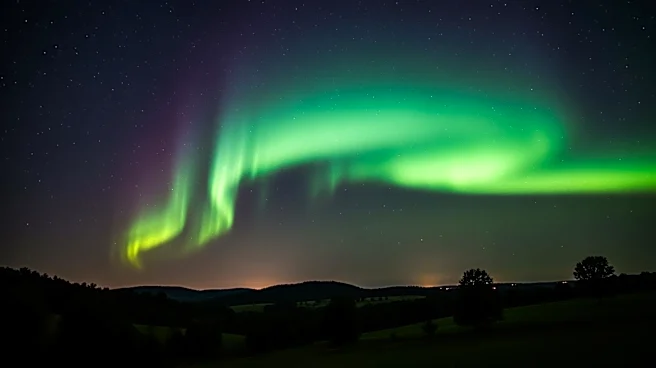
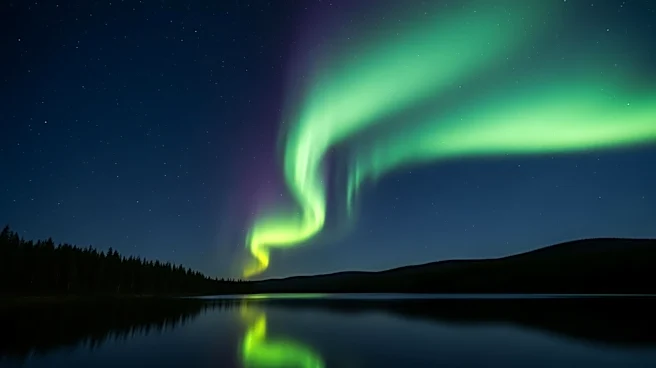
A coronal mass ejection (CME) is currently on a collision course with Earth's magnetic field, expected to arrive on June 8. This solar event could trigger geomagnetic storm conditions ranging from G2 (moderate) to G3 (strong), potentially enhancing aurora
displays across northern latitudes. The CME, which erupted from the sun on June 6, is anticipated to impact Earth early to midday GMT on June 8. NOAA's Space Weather Prediction Center, along with the U.K. Met Office, has issued a G3 geomagnetic storm watch for June 8 and a G2 watch for June 9. The strongest storm conditions are expected between 11 a.m. and 2 p.m. EDT, with elevated geomagnetic activity possibly continuing into the evening. This development is particularly exciting for aurora enthusiasts, as the northern lights could become visible much farther south than usual, depending on the strength of the geomagnetic storm.
Why It's Important?
The potential for a strong geomagnetic storm has significant implications for both scientific observation and public interest. For aurora chasers, this event could provide a rare opportunity to witness the northern lights in regions where they are not typically visible, such as Illinois and Oregon. Beyond the visual spectacle, geomagnetic storms can impact satellite operations, GPS systems, and power grids, posing challenges for industries reliant on these technologies. The event underscores the importance of space weather forecasting and preparedness, as geomagnetic storms can have wide-ranging effects on communication and navigation systems. The ability to predict and monitor such events is crucial for mitigating potential disruptions and ensuring the safety and reliability of technological infrastructure.
What's Next?
As the CME approaches, NOAA and other space weather agencies will continue to monitor its trajectory and impact. The timing of the CME's arrival could shift, affecting the peak of geomagnetic activity and aurora visibility. Stakeholders, including power grid operators and satellite companies, will need to remain vigilant and prepared for potential disruptions. For the public, especially those in northern U.S. states, the coming days offer a chance to experience a natural phenomenon that could inspire increased interest in space weather and its effects on Earth. Continued advancements in space weather prediction will be essential for improving response strategies and minimizing the impact of future solar events.