




What's Happening?
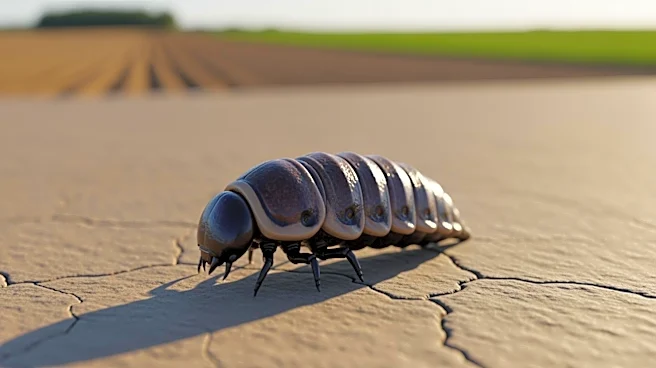
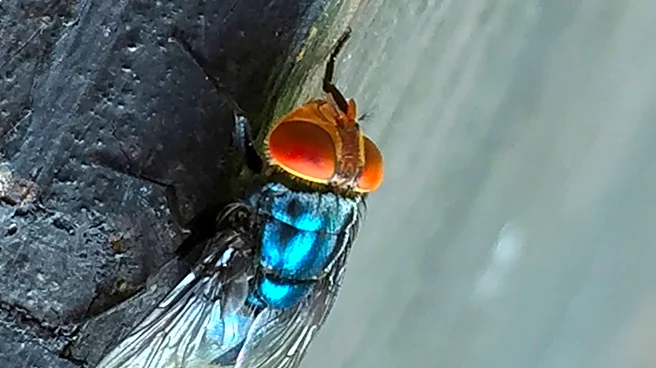
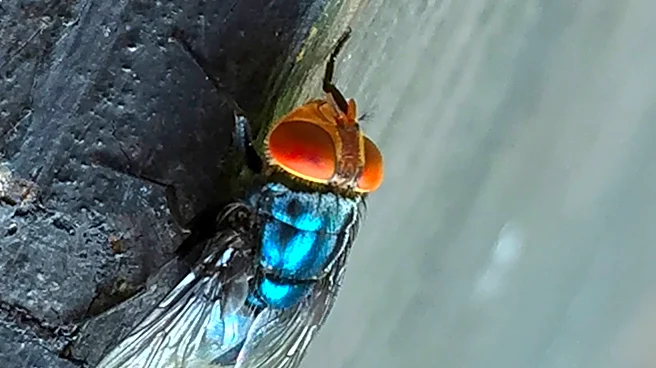
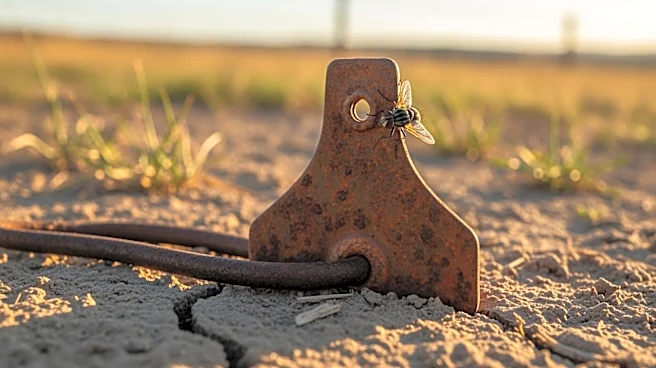
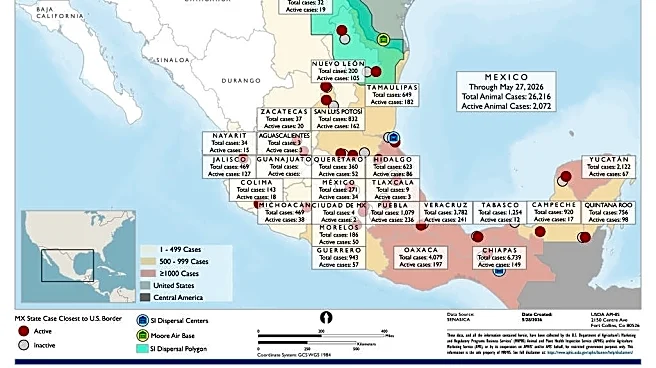
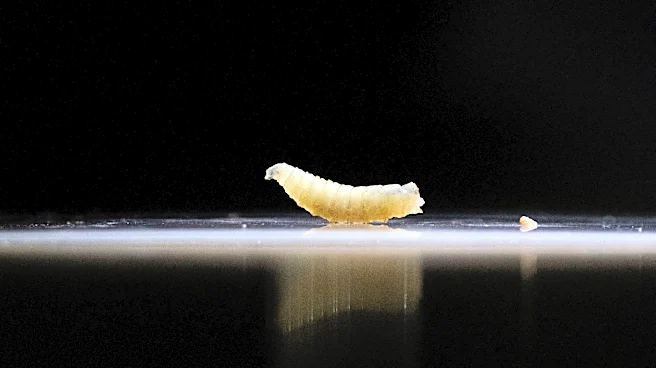
The Mississippi Commissioner of Agriculture and Commerce has reassured the public that the recent detection of the new world screwworm (NWS) in Texas does not pose a threat to Mississippi's food safety. The screwworm, confirmed in a calf in Texas, is primarily
an animal health issue affecting livestock, pets, and wildlife. Commissioner Gipson emphasized that the state's meat supply remains safe for consumption. The USDA's Food Safety and Inspection Service (FSIS) is responsible for ensuring the safety and proper labeling of the nation's commercial meat, poultry, and egg products. Under the Federal Meat Inspection Act, FSIS personnel inspect all eligible animal species, and any evidence of screwworm infestation would be identified during these inspections. Contaminated products from affected animals would not enter the food supply.
Why It's Important?
The assurance from the Mississippi Commissioner of Agriculture and Commerce is significant as it addresses potential public concerns about food safety following the detection of screwworms in Texas. The screwworm is a serious pest that can affect various animals, but the FSIS's role in inspecting and ensuring the safety of meat products is crucial in maintaining public confidence in the food supply. This development highlights the importance of robust inspection systems and regulatory frameworks in protecting public health and preventing contaminated products from reaching consumers. The statement also underscores the need for vigilance in monitoring animal health issues that could impact food safety.
What's Next?
While the current situation does not pose a threat to food safety in Mississippi, ongoing monitoring and inspections will continue to ensure that any potential risks are identified and managed promptly. The Mississippi Board of Animal Health and local veterinarians remain on alert to address any cases of screwworm infestation. Public awareness and reporting of suspected cases are essential in preventing the spread of this pest. The USDA and state agencies will likely continue to collaborate to monitor and manage animal health issues that could impact food safety.