

What's Happening?
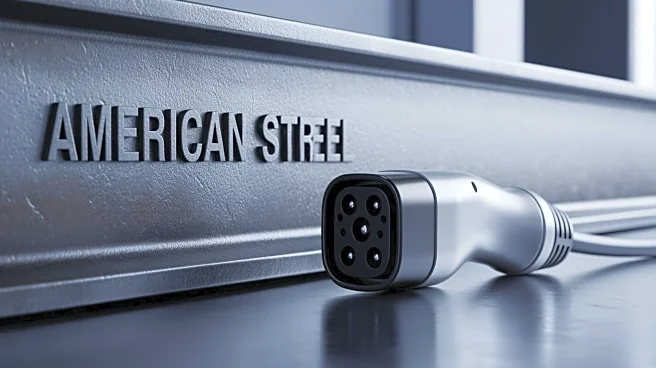
The Trump administration is proposing a new mandate that could effectively render a $5 billion federal program for electric vehicle (EV) chargers unusable. The proposal requires that all federally funded EV chargers be 100% American-made, a standard that currently
cannot be met as no such chargers exist. This move follows a previous attempt by the administration to suspend funding for EV infrastructure, which was blocked by a U.S. District Judge. The proposal has drawn criticism from a group of 20 state attorneys general, including those from California, Colorado, and New York, who argue that the mandate would frustrate congressional intent and impair public interest by slowing or halting the deployment of EV chargers nationwide.
Why It's Important?
The proposal has significant implications for the U.S. EV market and the broader push towards renewable energy. By imposing a 100% domestic production requirement, the administration risks stalling the expansion of EV infrastructure, which is crucial for supporting the growing number of electric vehicles on the road. This could hinder efforts to reduce carbon emissions and transition to cleaner energy sources. The mandate also poses challenges for manufacturers, as the current market does not support the production of fully American-made chargers. This could lead to increased costs and delays in infrastructure development, affecting both consumers and the automotive industry.
What's Next?
The proposal is likely to face further legal challenges and opposition from states and industry stakeholders. The group of state attorneys general has already expressed their intent to contest the mandate, arguing that it is not feasible under current market conditions. The outcome of these challenges could determine the future of the EV charger program and the pace of EV infrastructure development in the U.S. Additionally, the administration's stance may influence future policy decisions regarding domestic manufacturing requirements and federal funding for renewable energy projects.