



What's Happening?
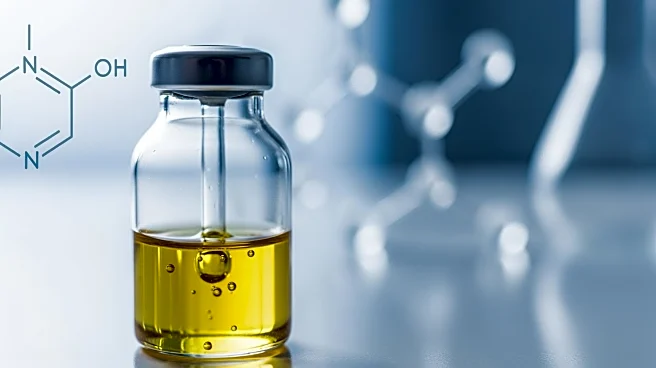
The European Union has implemented new restrictions on the import of arachidonic acid (ARA) oil from China due to contamination concerns. ARA oil, commonly used in infant formula to support eye and brain development, has been linked to a toxin called
cereulide, which can cause severe nausea and vomiting. This contamination has led to global recalls of infant formula products from major companies like Nestlé and Danone. The source of the contamination has been traced to a third-party supplier in China. In response, the EU now requires all Chinese ARA oil imports to be certified as cereulide-free, with about half of all shipments undergoing enhanced inspections at EU borders. The European Food Safety Authority (EFSA) has established new safety limits for cereulide in infant formula to protect infants from exposure.
Why It's Important?
This development is significant as it highlights the vulnerabilities in global supply chains, particularly concerning products intended for infants. The contamination incident underscores the need for stringent safety measures and transparency in the production and supply of food ingredients. For the U.S., which imports various food products, this situation serves as a reminder of the importance of rigorous safety standards and inspections to prevent similar occurrences. The recalls and new regulations could impact the availability and cost of infant formula, affecting parents and caregivers who rely on these products. Additionally, the incident may prompt other countries to reassess their import policies and safety checks for food products.
What's Next?
The EU's new regulations will take effect immediately, with member states responsible for enforcing the measures. Shipments already en route to the EU will still be subject to inspections, even if they lack the new certifications. This situation may lead to increased scrutiny of other food imports from China and potentially inspire similar regulatory actions in other regions. Companies involved in the recalls, like Nestlé and Danone, will need to address consumer concerns and work to restore trust in their products. The incident may also drive further research into food safety and contamination prevention, particularly in the context of global supply chains.