









What's Happening?
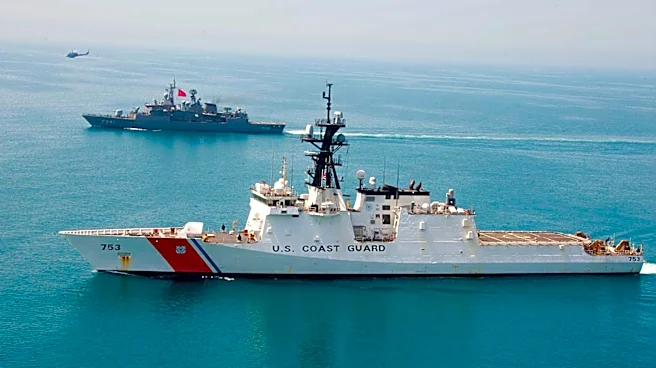
The United States, along with NATO and other allied nations, recently concluded a significant maritime exercise known as FLEETEX 250. This exercise, which took place in the Hampton Roads area of Virginia and the western Atlantic Ocean, involved 31 warships,
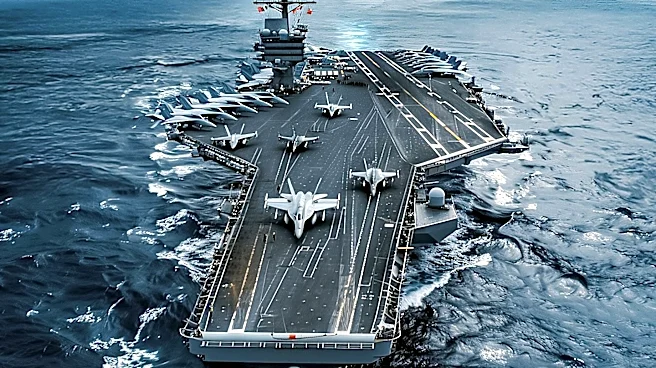
multi-national aircraft, and military personnel from 18 countries. The event, which began on June 16, was led by the U.S. 2nd Fleet and included participation from countries such as Belgium, Canada, Denmark, France, Germany, and the United Kingdom, among others. The exercise focused on various aspects of naval warfare, including anti-air, anti-submarine, and amphibious operations. The USS Nimitz, the oldest active aircraft carrier, played a key role, likely marking one of its final assignments before decommissioning. The exercise aimed to enhance interoperability and test integrated forces, providing a platform for participating nations to practice and improve their maritime capabilities.
Why It's Important?
This large-scale exercise is significant as it underscores the ongoing commitment of the United States and its allies to maintaining maritime security and readiness. It comes at a time when the Trump administration has been critical of NATO, questioning its value and the defense spending of its member nations. The exercise serves as a demonstration of unity and capability among allied forces, potentially countering narratives of division within NATO. It also highlights the strategic importance of the Atlantic region and the need for coordinated defense efforts in response to global security challenges. The participation of a diverse group of nations reflects a broad commitment to collective security, which is crucial in addressing threats such as piracy, terrorism, and regional conflicts.
What's Next?
Following the conclusion of FLEETEX 250, many of the participating vessels are expected to make courtesy visits and participate in the naval review for the U.S.'s 250th anniversary celebration in New York on July 4. This event will likely serve as another opportunity to showcase the strength and unity of allied naval forces. Additionally, the exercise may influence future U.S. defense policy and NATO relations, particularly in light of ongoing discussions about the U.S. military presence in Europe. The outcomes of this exercise could inform future strategic decisions and collaborations among NATO members and other allied nations.