


What's Happening?
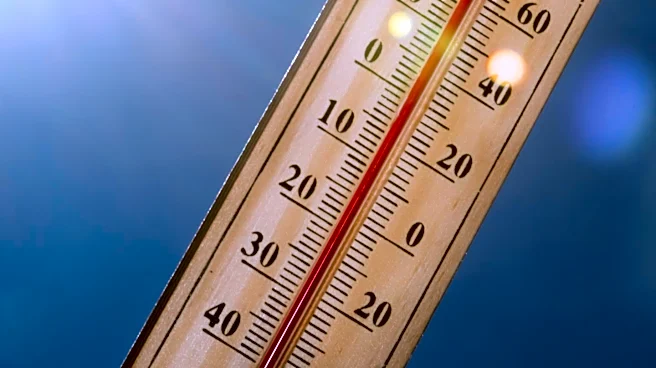
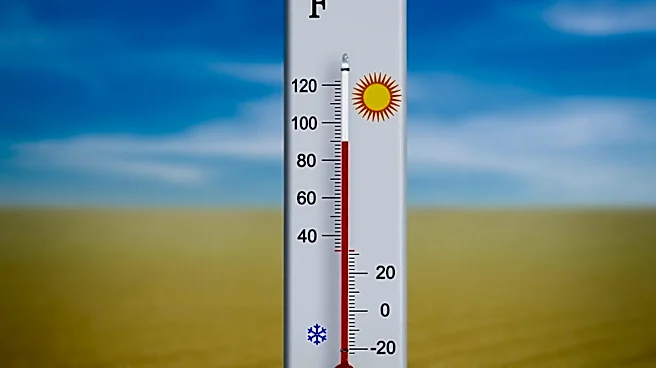
Southern California is currently experiencing a significant heat wave, prompting the National Weather Service (NWS) to issue an Extreme Heat Warning. This warning is in effect until 8 p.m. Sunday, with temperatures expected to range between 95 and 110
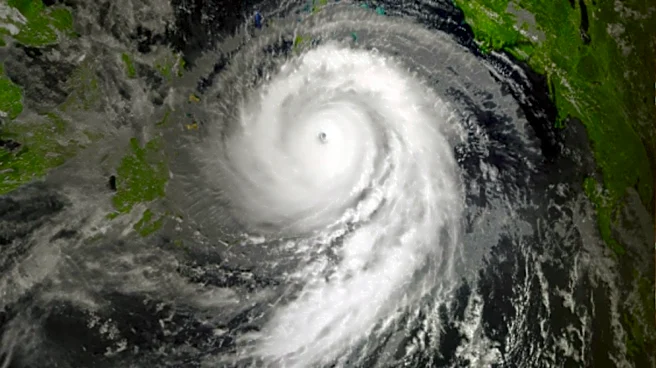
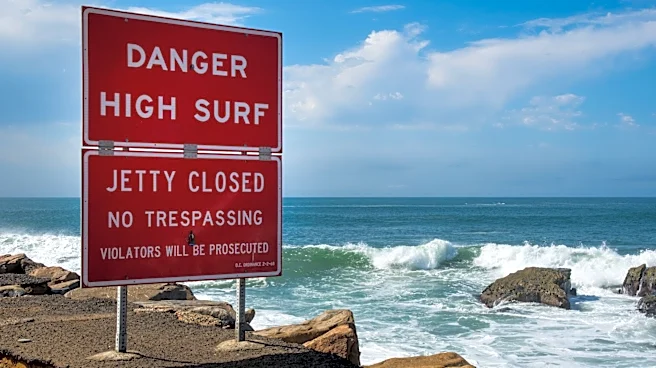
degrees across most of the region, excluding coastal areas within 10 to 15 miles of the shore. The heat wave began as August commenced, and CBS LA has issued a Next Weather Alert through Tuesday due to the persistent inland heat. Although no temperature records were broken the previous day, there remains a possibility of record highs being reached on Saturday. The NWS has advised residents to limit outdoor activities during the day to avoid heat-related illnesses. Additionally, beachgoers are cautioned about dangerous surf and rip currents, which are expected due to swells from a tropical cyclone located west of Mexico.
Why It's Important?
The extreme heat poses significant health risks to residents, particularly those in inland areas where temperatures are highest. Prolonged exposure to such high temperatures can lead to heat exhaustion or heat stroke, especially among vulnerable populations such as the elderly and those with pre-existing health conditions. The advisories and warnings aim to mitigate these risks by encouraging people to stay indoors and stay hydrated. The heat wave also impacts local infrastructure, increasing the demand for electricity as residents rely on air conditioning, which could strain the power grid. Furthermore, the warnings about dangerous surf conditions highlight the potential for water-related accidents, emphasizing the need for public awareness and caution.
What's Next?
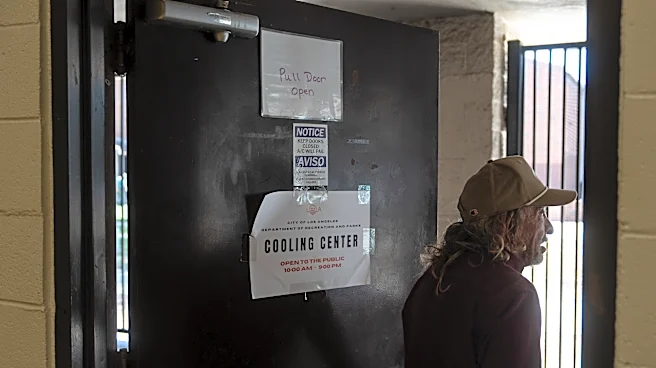
As the heat wave continues, residents and local authorities will need to remain vigilant. The NWS and local news outlets will likely continue to provide updates and advisories to ensure public safety. Emergency services may be on heightened alert to respond to heat-related incidents. Additionally, there may be increased monitoring of the power grid to prevent outages due to high electricity demand. Community centers and cooling stations might be opened to provide relief for those without access to air conditioning. The situation will require ongoing coordination between weather services, local governments, and the public to manage the impacts effectively.