


What's Happening?
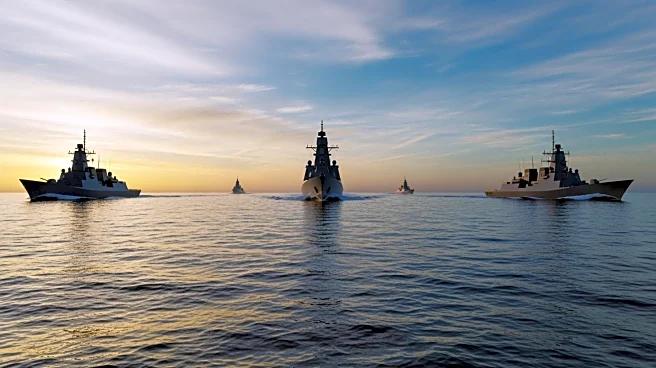
Chinese, Russian, and Iranian warships have arrived in South African waters for a week-long series of naval drills off the coast of Cape Town. These exercises, organized under the BRICS bloc, aim to enhance maritime safety and anti-piracy operations.
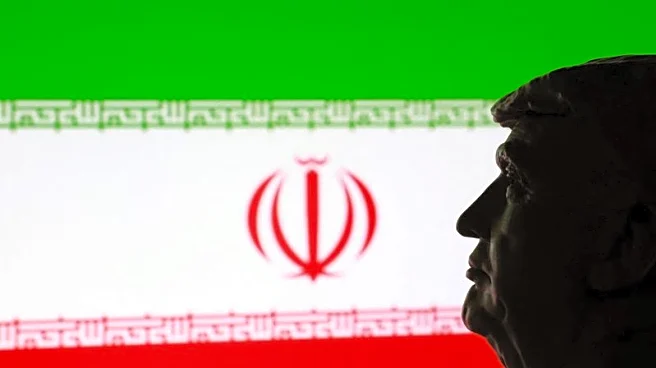
The drills come at a time of heightened geopolitical tensions, particularly concerning the United States' intervention in Venezuela and its actions to seize tankers carrying Venezuelan oil. The presence of these warships in South Africa, a member of BRICS along with China and Russia, underscores the bloc's efforts to deepen military cooperation. Iran, which joined BRICS in 2024, is also participating, despite facing domestic protests against its leadership. The drills, initially scheduled for late November, were postponed due to diplomatic reasons related to the G20 summit hosted by South Africa.
Why It's Important?
The naval drills highlight the growing military collaboration among BRICS nations, which could shift global power dynamics. South Africa's decision to host these exercises may strain its relations with the United States, which has criticized the country's ties with Iran and Russia. The U.S. has previously accused South Africa of supporting 'bad actors' on the world stage, leading to funding cuts. This development could further complicate South Africa's foreign policy, which claims to be nonaligned. Domestically, the drills have sparked criticism from political parties like the Democratic Alliance, which opposes closer military ties with sanctioned states. The exercises may also serve as a platform for BRICS nations to challenge U.S. influence and assert their geopolitical interests.
What's Next?
The naval drills are expected to continue until next Friday, with potential implications for international relations. The U.S. may respond to these exercises by reassessing its diplomatic and economic ties with South Africa. Additionally, the drills could prompt other BRICS members to increase their military cooperation, potentially leading to more joint exercises in the future. South Africa's role in hosting these drills may also influence its standing within the BRICS bloc and its ability to navigate complex international alliances. Observers will be watching for any statements or actions from the U.S. and other Western nations in response to these developments.
Beyond the Headlines
The naval drills in South Africa could have long-term implications for global military alliances and the balance of power. As BRICS nations strengthen their military ties, they may seek to establish a counterbalance to Western military alliances like NATO. This could lead to increased military spending and a shift in global defense strategies. Additionally, the drills highlight the challenges faced by countries like South Africa in maintaining a nonaligned foreign policy while engaging with both Western and non-Western powers. The exercises may also influence public opinion within South Africa, as citizens and political parties debate the merits of aligning with countries under international sanctions.