





What's Happening?
The U.S. Department of Agriculture (USDA) has announced that its facility in South Texas, dedicated to producing sterile screwworm flies, is now projected to open in spring 2027. This new timeline represents an acceleration of seven months from previous
expectations. The facility is a critical component of the USDA's strategy to combat screwworms through sterile fly biocontrol, which is considered their most effective method. Currently, the USDA relies on screwworm flies produced in Mexico and Panama for its biocontrol efforts. The agency has confirmed 46 cases of New World Screwworm since June, with only two cases remaining active as of August 19. The USDA continues to monitor and track detections of screwworms in both Texas and New Mexico.
Why It's Important?
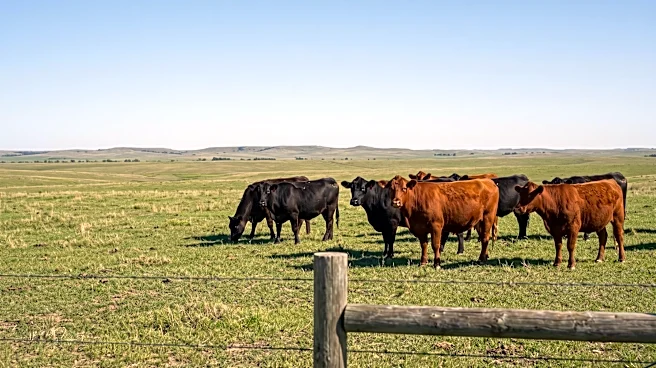
The expedited opening of the South Texas facility is significant for U.S. agricultural biosecurity and livestock health. Screwworms pose a severe threat to livestock, wildlife, and even humans, as their larvae infest open wounds and consume living tissue, leading to severe injury or death if untreated. By establishing a domestic production facility for sterile flies, the U.S. reduces its reliance on foreign sources, enhancing the reliability and responsiveness of its screwworm eradication program. This move strengthens the nation's ability to quickly deploy biocontrol measures in response to outbreaks, safeguarding the multi-billion dollar livestock industry and preventing potential economic losses for ranchers and farmers. The ongoing detection of screwworm cases in Texas and New Mexico underscores the persistent threat and the critical need for robust, domestically controlled biocontrol capabilities.
What's Next?
With the South Texas facility slated for an earlier opening in spring 2027, the USDA will likely focus on completing construction, staffing, and operational readiness. This will involve training personnel in sterile insect technique and ensuring the facility meets all regulatory and biological containment standards. The agency will also need to establish efficient distribution channels for the sterile flies to affected areas. Furthermore, the USDA will continue its surveillance and eradication efforts in Texas and New Mexico, responding to new detections and working to contain existing active cases. The transition from relying on international partners to domestic production will require careful coordination to maintain a continuous supply of sterile flies for ongoing and future biocontrol campaigns.
Beyond the Headlines
The development of this sterile screwworm fly facility highlights a broader trend in agricultural pest management: the increasing reliance on advanced biological control methods. This approach minimizes the use of chemical pesticides, aligning with growing environmental concerns and consumer demand for more sustainable agricultural practices. The sterile insect technique, which involves releasing large numbers of sterilized male insects to mate with wild females, thereby preventing reproduction, is a sophisticated and environmentally friendly way to manage pest populations. This investment in biocontrol infrastructure also reflects a strategic national security interest in protecting the food supply chain from biological threats, whether naturally occurring or intentionally introduced. The success of this facility could serve as a model for addressing other agricultural pests through similar innovative and sustainable methods.