



What's Happening?
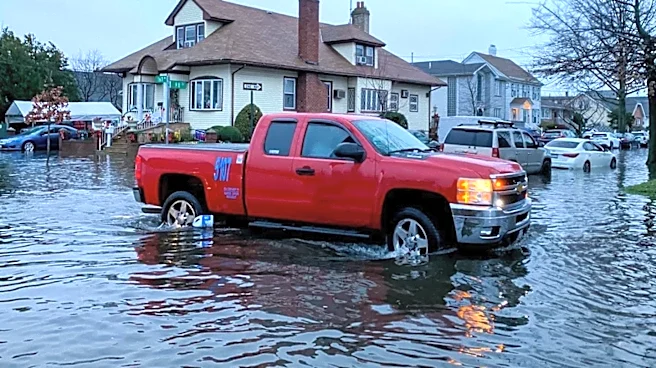
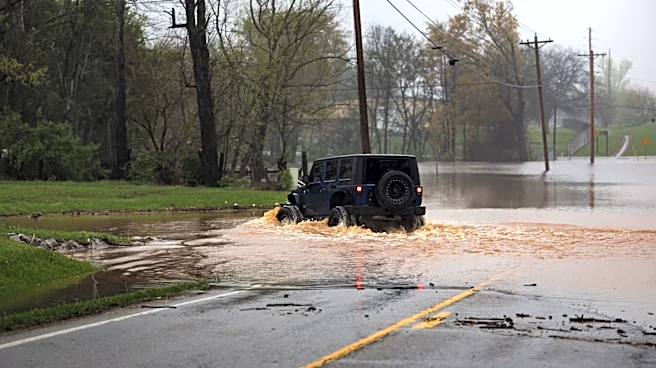
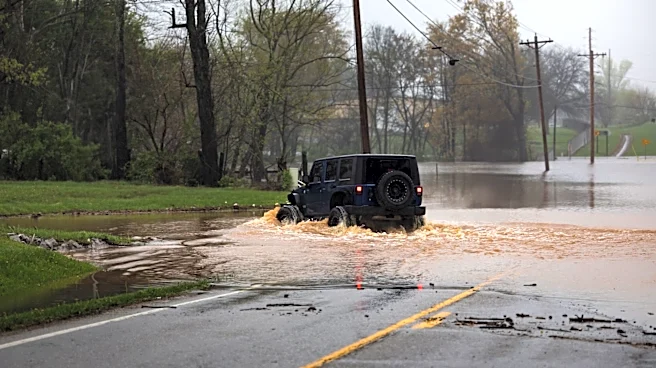
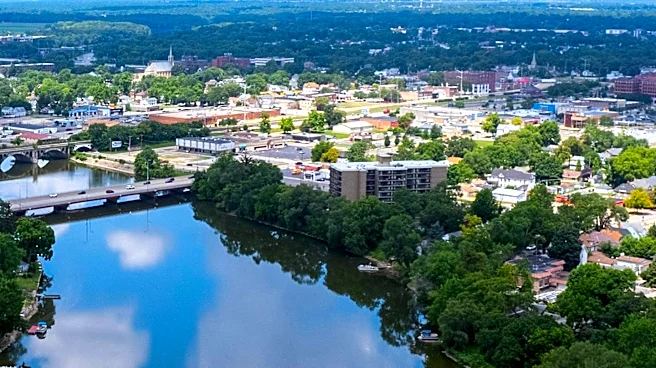
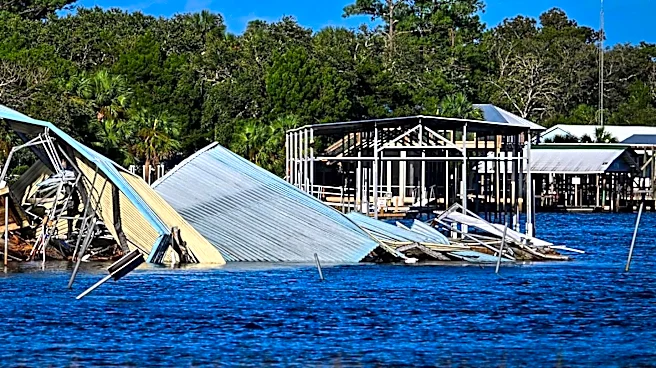
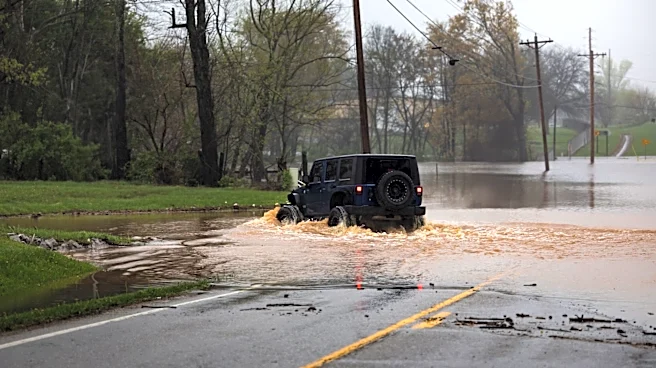
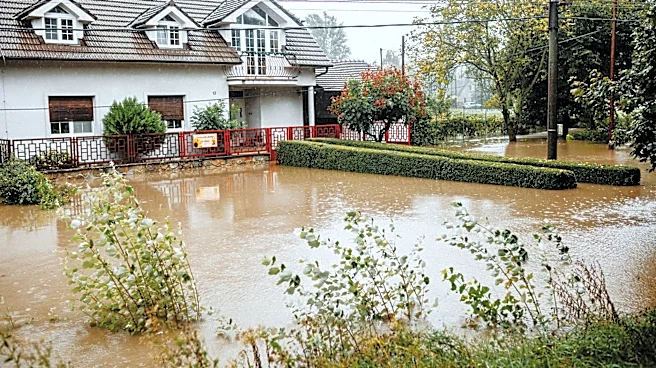
Cambridge City, Indiana, is grappling with severe devastation after the Whitewater River overflowed its banks due to relentless rain. Officials from the Wayne County Emergency Management Agency (EMA) reported that the flooding damaged at least 250 buildings
and destroyed five others in the community. Four of the destroyed buildings were located in Cambridge City. Additionally, 174 buildings sustained major damage, and 71 experienced minor damage within Cambridge City alone. Residents, like Melissa Parker and Phil Shank, described the situation as "pure devastation," with floodwaters reaching significant heights inside homes. Many residents are now engaged in extensive cleanup efforts, gutting houses, removing walls and insulation, and attempting to dry out their properties. The recovery process is expected to take months, possibly even years, for the affected individuals and the community as a whole.
Why It's Important?
The extensive damage in Cambridge City highlights the vulnerability of communities located near rivers to severe weather events and the long-term challenges associated with flood recovery. The destruction of homes and businesses not only represents significant financial losses for individuals and the local economy but also causes profound emotional and social disruption. Residents like Phil Shank, who has lived in his home for 42 years, are being forced to consider relocating due to the recurring threat of flooding, underscoring the lasting impact on community stability and individual livelihoods. The incident also emphasizes the critical role of local emergency management agencies in assessing damage and coordinating recovery efforts, as seen with the Wayne County EMA's call for residents to report impacts to Indiana 211 to help state officials provide accurate data to FEMA.
What's Next?
The immediate next steps for Cambridge City involve continued cleanup and damage assessment. The Wayne County EMA has urged all residents impacted by the floodwaters to call Indiana 211. This reporting is crucial for state officials to gather an accurate scope of the damage across Indiana, which will then be used to inform the Federal Emergency Management Agency (FEMA) and potentially secure federal assistance for recovery. Residents are working to rebuild their lives and homes, with many facing the difficult decision of whether to invest in repairs or relocate. The community's resilience is being tested, but residents express determination to rebuild. The long-term outlook suggests a prolonged period of recovery, with potential implications for local infrastructure, housing markets, and community planning to mitigate future flood risks.
Beyond the Headlines
The Cambridge City flooding incident underscores a broader national challenge concerning climate change and its impact on extreme weather events. As rainfall patterns become more intense and unpredictable, communities situated along waterways face heightened risks of severe flooding. This event prompts deeper questions about urban planning, infrastructure resilience, and the adequacy of current flood protection measures. The personal stories of residents losing their homes and contemplating relocation reveal the human cost of such disasters, extending beyond immediate physical damage to long-term psychological and economic burdens. It also highlights the need for comprehensive strategies that include not only emergency response and recovery but also proactive measures such as improved early warning systems, sustainable land use planning, and investments in resilient infrastructure to protect vulnerable communities from future climate-related threats.