






What's Happening?
Mount Grace State Forest, located less than two hours from Boston in Warwick, Massachusetts, offers nearly 1,700 acres of public woodlands with numerous all-season, multi-use trails. Standing at 1,621 feet, Mount Grace is the state's third-tallest peak
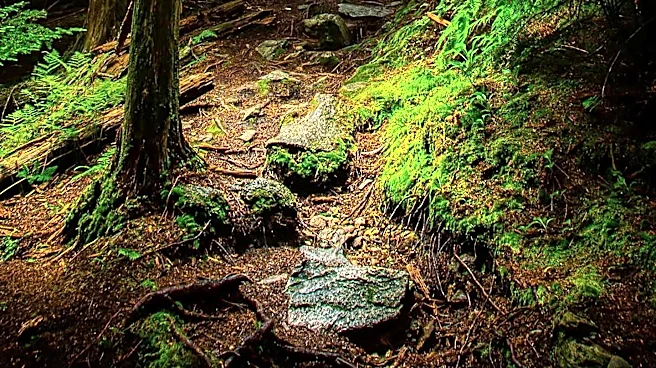
east of the Connecticut River. The forest features the historic Warwick Fire Tower at its summit, which is listed on the National Historic Lookout Register. Visitors can explore trails like the 2.6-mile roundtrip Mount Grace Trail, leading directly to the summit through hardwood forests, or opt for the more challenging Mount Grace Long Loop, which includes a steep 1,000-foot ascent. The forest, one of Massachusetts' oldest state forests, was established in 1920 after a conservation group advocated for its protection following extensive clearcutting for farming and logging. The park is open from sunrise to sunset daily, with no admission cost, and provides a gravel parking lot and a pavilion near the main entrance.
Why It's Important?
The accessibility and natural beauty of Mount Grace State Forest provide a significant recreational resource for residents and visitors in Massachusetts and the wider New England region. Its proximity to Boston makes it an attractive destination for outdoor enthusiasts seeking hiking, cycling, snowmobiling, and cross-country skiing opportunities. The preservation of nearly 1,700 acres as a state forest highlights a long-standing commitment to conservation, protecting biodiversity and natural landscapes. The forest's historical significance, marked by the Warwick Fire Tower, also contributes to its importance, offering a glimpse into the region's past land use and conservation efforts. Such natural spaces are crucial for public health, offering opportunities for physical activity and mental well-being, while also supporting local tourism and economies in surrounding towns like Orange.
What's Next?
Mount Grace State Forest will continue to serve as a key recreational and conservation area in Massachusetts. Future developments may include ongoing trail maintenance and improvements to enhance visitor experience and safety. As outdoor recreation continues to grow in popularity, the forest may see increased visitation, potentially leading to further infrastructure development such as expanded parking or additional visitor amenities, while balancing conservation goals. Local towns like Orange may also see continued benefits from tourism, prompting further development of local attractions and services to cater to visitors. Conservation efforts will likely remain focused on maintaining the ecological health of the forest and preserving its historical elements.
Beyond the Headlines
The story of Mount Grace State Forest reflects a broader narrative of land conservation and environmental stewardship in the United States. Its establishment in 1920, following advocacy from local conservation groups, underscores the early recognition of the importance of protecting natural spaces from over-exploitation. This historical context highlights the enduring value placed on public lands for recreation, ecological preservation, and historical memory. The forest also serves as a living example of ecological recovery, demonstrating how clear-cut lands can regenerate into thriving ecosystems with proper management. The balance between public access and environmental protection remains a continuous challenge for such areas, requiring ongoing vigilance and community engagement to ensure their long-term sustainability for future generations.