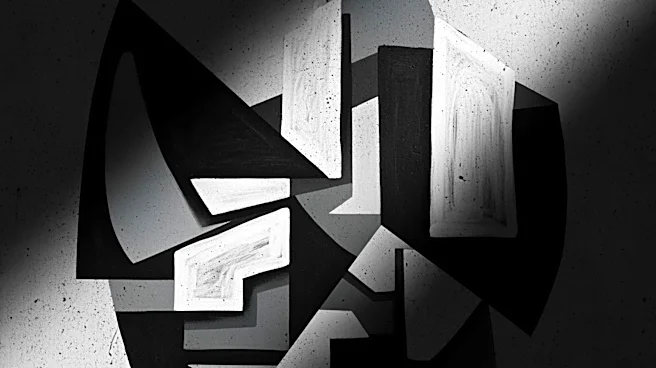

What's Happening?
A dispute has emerged between the Madrid and Basque regional governments in Spain regarding the temporary relocation of Picasso's renowned painting, Guernica, to the Guggenheim Museum in Bilbao. The Basque government has requested
the painting be moved to commemorate the 90th anniversary of the bombing of Guernica, a significant event during the Spanish Civil War. The painting has been housed in the Reina Sofía museum in Madrid since 1992, and previous requests for its relocation have been denied. The current request has sparked a heated exchange between Isabel Díaz Ayuso, the conservative president of Madrid, and Aitor Esteban, leader of the Basque nationalist party, with both sides accusing each other of provincialism. The Basque government argues that moving the painting would honor the historical significance of the event it depicts.
Why It's Important?
The debate over Guernica's relocation highlights broader cultural and political tensions within Spain. The painting is not only a masterpiece of art but also a powerful symbol of the horrors of war, making its location a matter of national pride and historical memory. The decision to move or keep the painting in Madrid could influence cultural policy and regional relations within Spain. The Basque government's push for the relocation underscores the region's desire for recognition and autonomy, while Madrid's resistance reflects concerns over preserving national heritage and the integrity of the artwork. The outcome of this dispute could set a precedent for how cultural artifacts are managed and shared among regions in Spain.
What's Next?
The Basque government has proposed that Guernica be displayed in Bilbao from October 1 to June 30. The decision now rests with the Spanish government and the Reina Sofía museum, which has previously maintained a policy against lending the painting. The ongoing debate may prompt further discussions about cultural decentralization and the role of regional governments in managing national heritage. Stakeholders, including cultural institutions and political leaders, will likely continue to engage in dialogue to reach a resolution that respects both the historical significance of the painting and the interests of the involved regions.