


What's Happening?
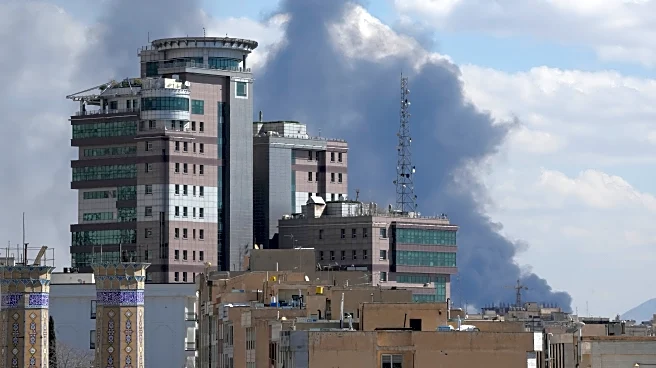
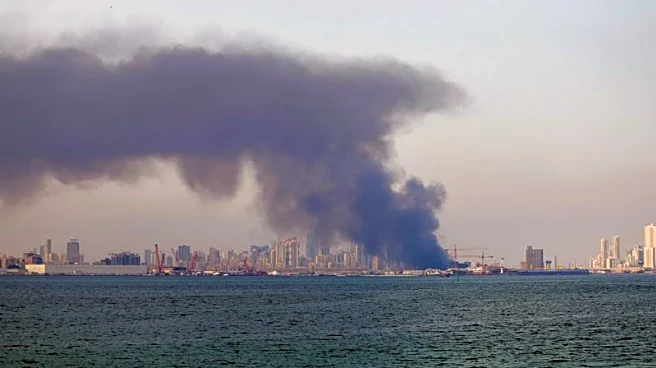
The recent US-Israeli attacks on Iran have led to retaliatory strikes by Tehran, targeting assets in multiple Middle Eastern countries. This conflict has raised concerns about the potential closure of the Strait of Hormuz, a critical maritime route for
global oil and gas supplies. The strait handles a significant portion of the world's energy trade, and any disruption could lead to a sharp increase in oil prices. Shipping data indicates that many tankers have halted operations in the region, reflecting the heightened security risks and potential economic impact.
Why It's Important?
The Strait of Hormuz is a strategic chokepoint for global energy supplies, with about 20-30% of the world's oil and gas passing through it. A closure or significant disruption could lead to a dramatic rise in oil prices, affecting economies worldwide, particularly those heavily reliant on Gulf energy exports. The situation underscores the vulnerability of global energy markets to geopolitical tensions and the potential for economic instability if the conflict escalates further. The impact on oil prices could also influence inflation rates and economic policies in various countries.
What's Next?
The international community is likely to focus on diplomatic efforts to prevent further escalation and ensure the security of the Strait of Hormuz. Energy markets will remain volatile, with stakeholders closely monitoring developments. Countries may seek alternative energy sources or routes to mitigate the impact of potential disruptions. The situation could also prompt discussions on energy security and the need for diversified energy supplies to reduce reliance on vulnerable routes.