






What's Happening?
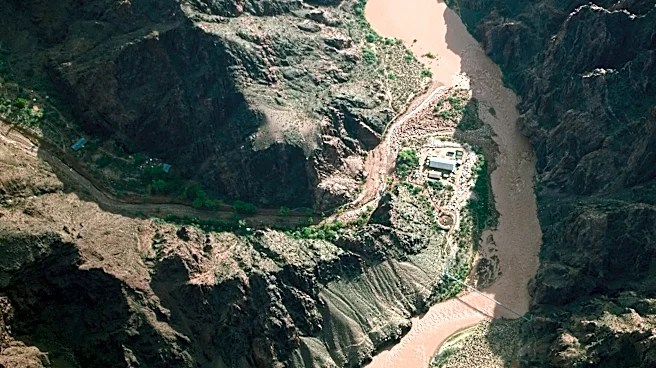
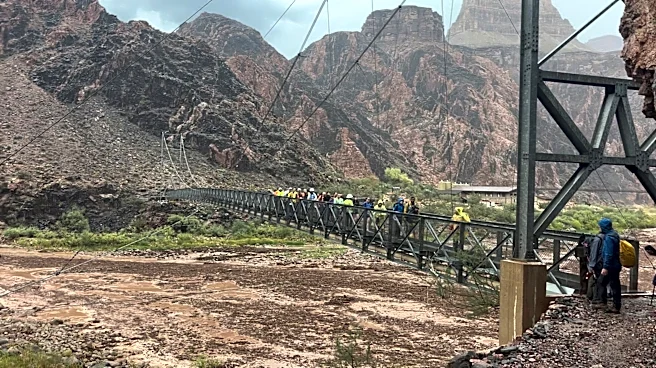
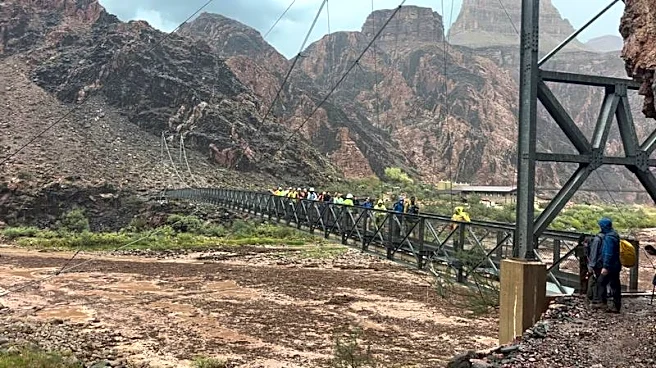
A recent weekend flash flood has caused severe damage to the Transcanyon Waterline, the only pipeline responsible for supplying water to Grand Canyon National Park. This pipeline serves millions of annual visitors and supports year-round park operations.
Park officials estimate that approximately 40% of the 12.5-mile pipeline may be damaged, with Deputy Superintendent Brian Drapeaux suggesting that miles of the pipeline could be destroyed. The damage has necessitated immediate and significant water conservation measures on the South Rim, including shorter showers, limited toilet flushing, and turning off faucets when not in use. Overnight accommodations have also been halted to preserve stored water for essential services such as emergency response, law enforcement, medical services, and park facilities. This incident occurs while the National Park Service is already engaged in a more than $200 million project to replace and upgrade the aging waterline, which has experienced over 85 breaks since 2010.
Why It's Important?
The damage to the Transcanyon Waterline highlights the critical vulnerability of essential infrastructure in remote and environmentally sensitive areas, particularly when faced with extreme weather events. The Grand Canyon is a major U.S. national park, attracting millions of tourists annually, and the disruption of its water supply has immediate and significant impacts on visitor services and park operations. The ongoing $200 million upgrade project underscores the long-standing challenges associated with maintaining aging infrastructure in difficult terrain. This event serves as a stark reminder of how climate-related incidents, such as flash floods, can compound existing infrastructure issues, leading to substantial economic and operational disruptions for vital public services and tourism. The need for resilient infrastructure, especially in areas prone to natural disasters, is further emphasized by this incident.
What's Next?
A full assessment of the damage to the Transcanyon Waterline is currently underway to determine the exact extent of the destruction. Park officials will need to prioritize repairs, which are complicated by the canyon's rugged terrain and limited access, often requiring helicopters. The ongoing Transcanyon Waterline project, which began in 2023, includes replacing portions of the pipeline with flexible steel, constructing helicopter pads, and relocating water intake facilities. This existing project will likely be accelerated or re-prioritized in light of the recent damage. The park will continue to enforce water conservation measures on the South Rim until the pipeline is repaired and water supply is restored. This incident may also prompt a re-evaluation of emergency preparedness and infrastructure resilience strategies for other national parks and remote facilities across the U.S.
Beyond the Headlines
This event underscores a broader national challenge concerning aging infrastructure and its susceptibility to the increasing frequency and intensity of extreme weather events. The Transcanyon Waterline, completed in the 1970s, is emblematic of many critical infrastructure systems across the U.S. that are nearing or have exceeded their intended lifespan. The incident at the Grand Canyon highlights the significant financial and logistical hurdles involved in upgrading and maintaining such systems, especially in remote or challenging environments. It also brings to light the interconnectedness of environmental factors, infrastructure, and public access to natural treasures. The long-term implications could include increased investment in climate-resilient infrastructure, innovative engineering solutions for difficult terrains, and a re-evaluation of how national parks and other critical facilities prepare for and respond to natural disasters to ensure continuous operation and visitor safety.