





What's Happening?
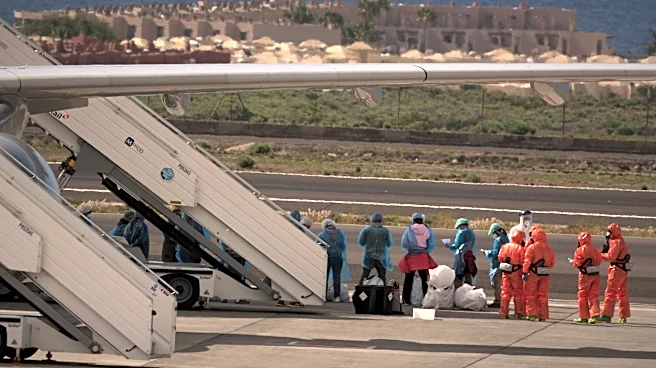
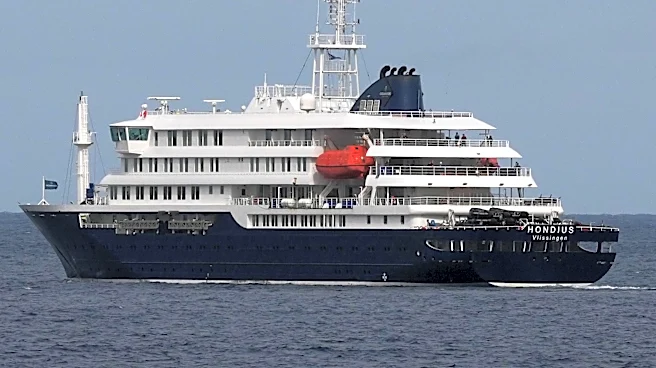
The MV Hondius, a cruise ship affected by a hantavirus outbreak, has arrived in Tenerife, Spain, where evacuation efforts are underway. The World Health Organization (WHO) reported that eight people have fallen ill, including three fatalities. Six cases
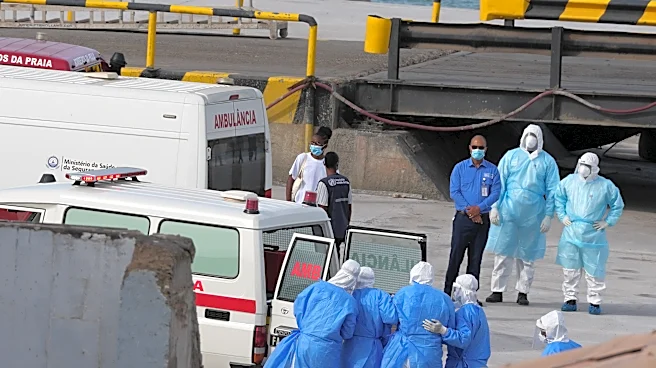
have been confirmed as hantavirus, with two additional suspected cases. The virus, typically spread by rodents, can occasionally be transmitted between humans. Spanish nationals were the first to disembark and are being quarantined as a precaution. Other countries, including the U.S., have sent planes to evacuate their citizens. The WHO and European Union coordinated the evacuation after the outbreak was detected.
Why It's Important?
The hantavirus outbreak on the MV Hondius highlights the challenges of managing infectious diseases in confined environments like cruise ships. The situation underscores the importance of rapid response and international cooperation in public health emergencies. The outbreak poses a moderate risk to passengers and crew, but the WHO has stated that the risk to the general population is low. This incident may lead to increased scrutiny of health protocols on cruise ships and could impact the cruise industry, which is still recovering from the effects of the COVID-19 pandemic.
What's Next?
As evacuation efforts continue, health authorities will likely focus on monitoring and treating affected individuals to prevent further spread of the virus. The incident may prompt a review of health and safety measures on cruise ships, potentially leading to stricter regulations and improved disease prevention strategies. The cruise industry may also face increased pressure to ensure passenger safety and restore public confidence. Ongoing investigations will aim to determine the source of the outbreak and assess the effectiveness of the response measures implemented.