





What's Happening?
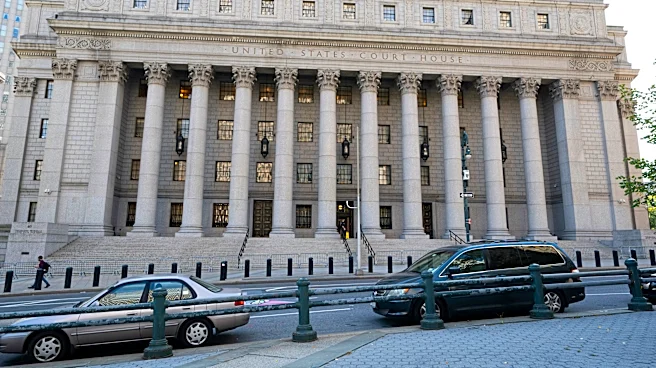
Several school districts in the United States are considering policies to exclude students without legal status from participating in federally funded college credit and career education programs. This move, reported by Chalkbeat, could conflict with a Supreme
Court ruling that mandates public schools to serve all students, regardless of their legal status. The potential exclusion of undocumented students from these programs raises significant legal and ethical questions, as it challenges the inclusivity of public education systems.
Why It's Important?
The decision to exclude undocumented students from educational programs could have far-reaching implications for the affected students and the broader educational landscape. It may limit opportunities for these students to gain valuable skills and credentials, potentially affecting their future employment prospects and economic mobility. Additionally, this move could spark legal challenges and public debate about the rights of undocumented students and the responsibilities of public schools. The outcome of this issue could set a precedent for how educational institutions address the needs of undocumented students in the future.
What's Next?
As school districts consider these exclusionary policies, legal challenges are likely to arise, potentially leading to court cases that could clarify or redefine the rights of undocumented students in public education. Advocacy groups and civil rights organizations may become involved, pushing for policies that ensure equal access to educational opportunities for all students. The decisions made by these school districts could influence national discussions on immigration and education policy, prompting lawmakers to address these issues at the federal level.