



What's Happening?
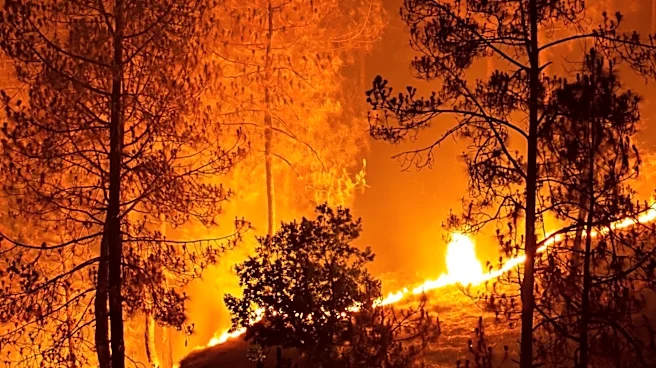
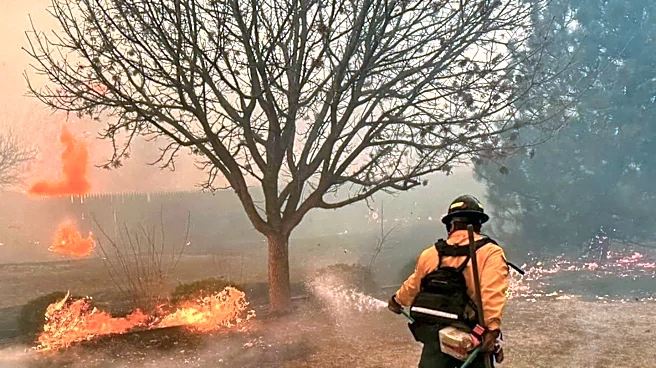
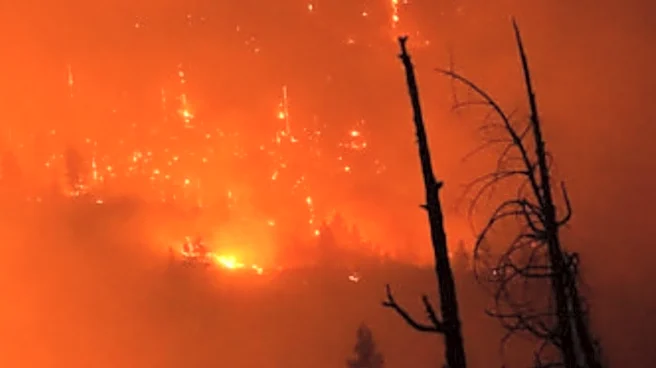
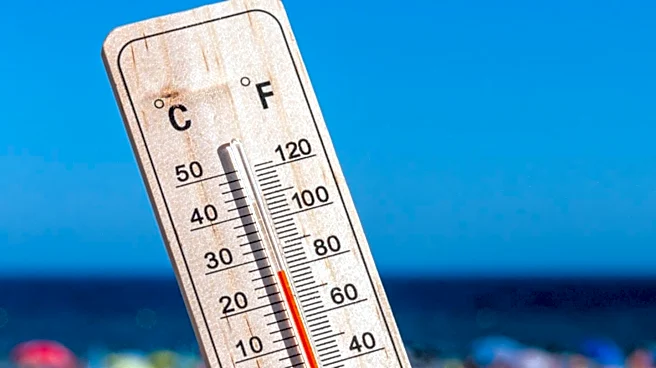
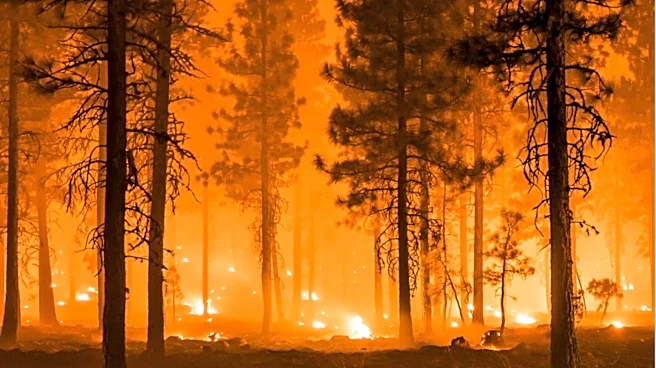
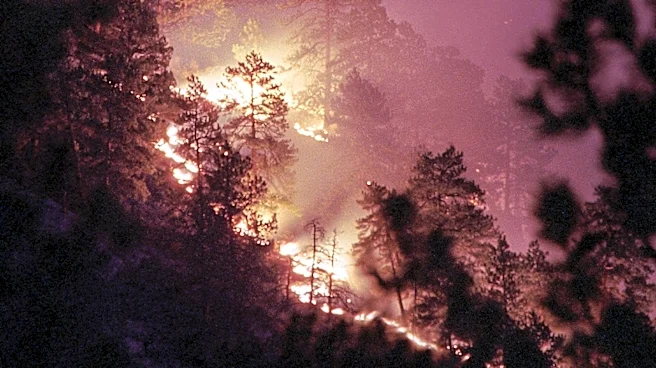
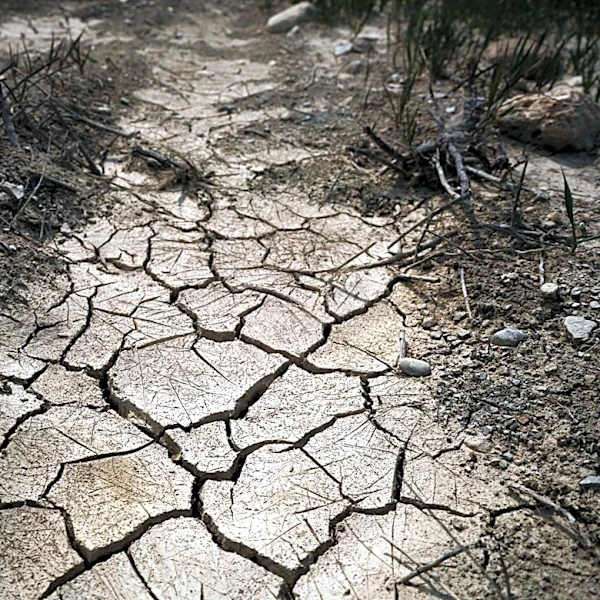
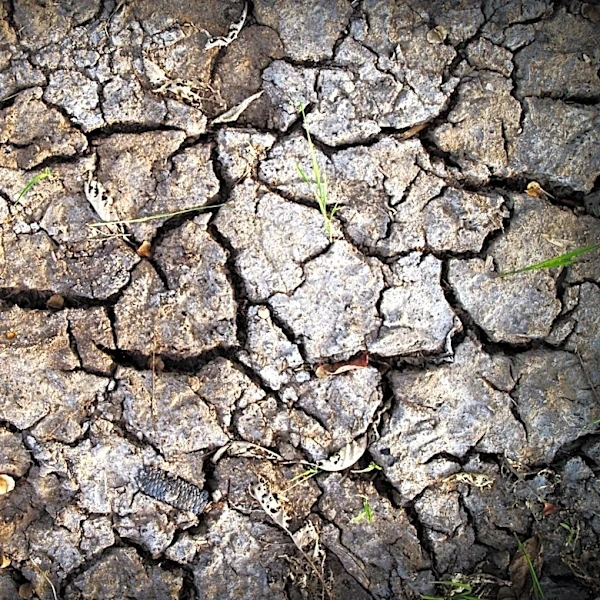
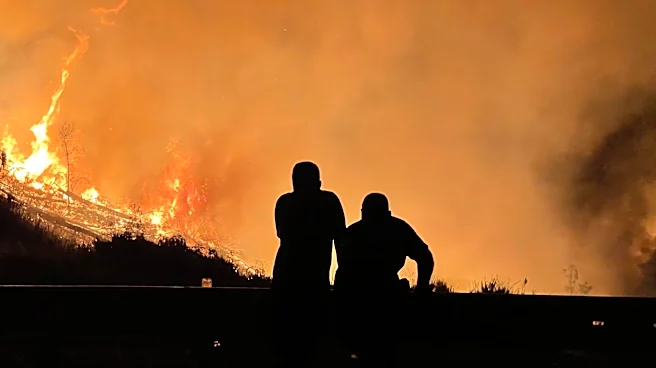
Communities across Colorado have enacted fire restrictions due to the ongoing dry and warm weather conditions, which have significantly increased the threat of wildfires. The state is experiencing heightened fire danger, prompting local authorities to take
preventive measures to mitigate potential fire outbreaks. These restrictions are a response to the current environmental conditions that have made the region particularly susceptible to fires, as dry vegetation and high temperatures create an ideal environment for wildfires to ignite and spread rapidly.
Why It's Important?
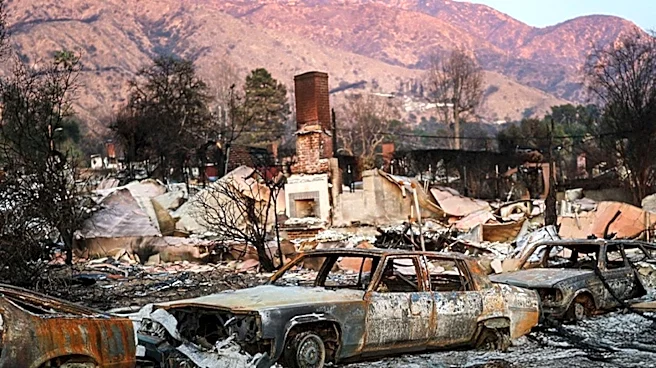
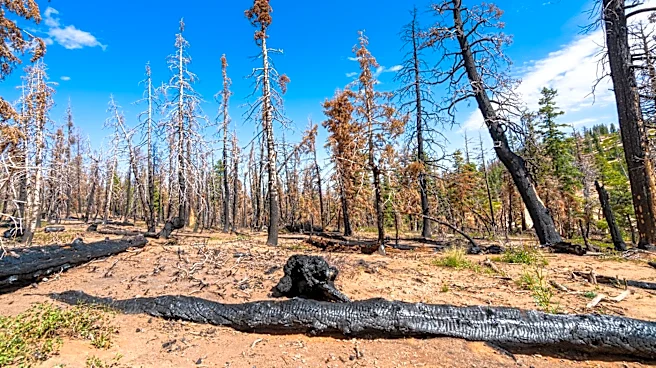
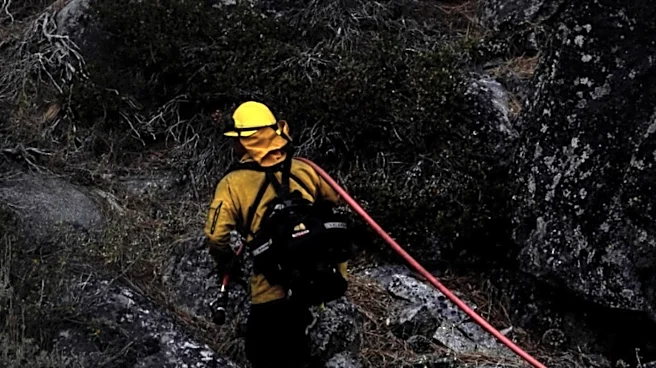
The implementation of fire restrictions is crucial in preventing the outbreak and spread of wildfires, which can have devastating effects on communities, wildlife, and the environment. Wildfires pose a significant risk to public safety, property, and natural resources. By imposing these restrictions, Colorado aims to reduce the likelihood of human-caused fires, which are a common source of wildfires. This proactive approach is essential in safeguarding communities and minimizing the potential for large-scale evacuations and property damage. Additionally, it highlights the broader issue of climate change and its impact on weather patterns, leading to more frequent and severe droughts and heatwaves.
What's Next?
As the dry and warm conditions persist, it is likely that fire restrictions will remain in place for the foreseeable future. Authorities will continue to monitor weather patterns and fire danger levels to determine if further measures are necessary. Residents and visitors are urged to comply with the restrictions and exercise caution to prevent accidental fires. The situation underscores the need for ongoing public awareness and education about fire safety and the importance of adhering to regulations designed to protect lives and property.