








What's Happening?
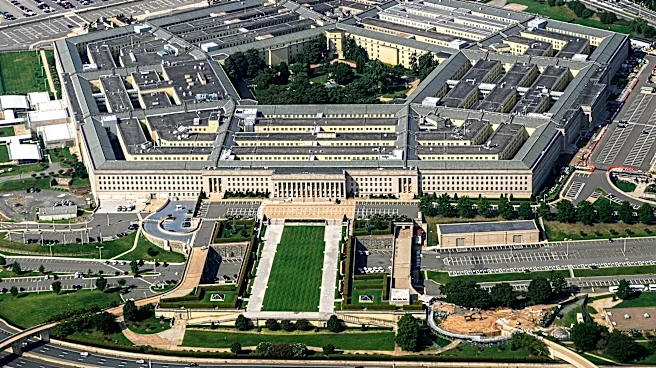
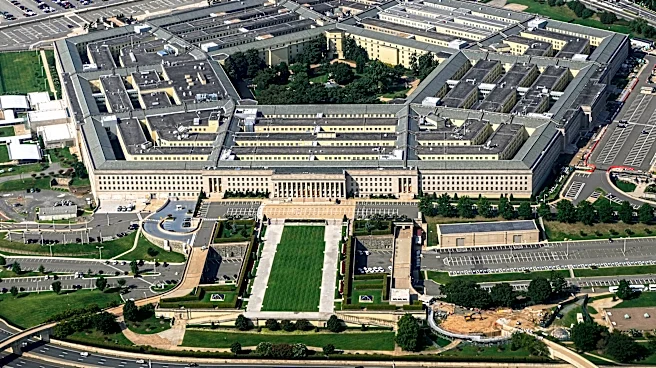
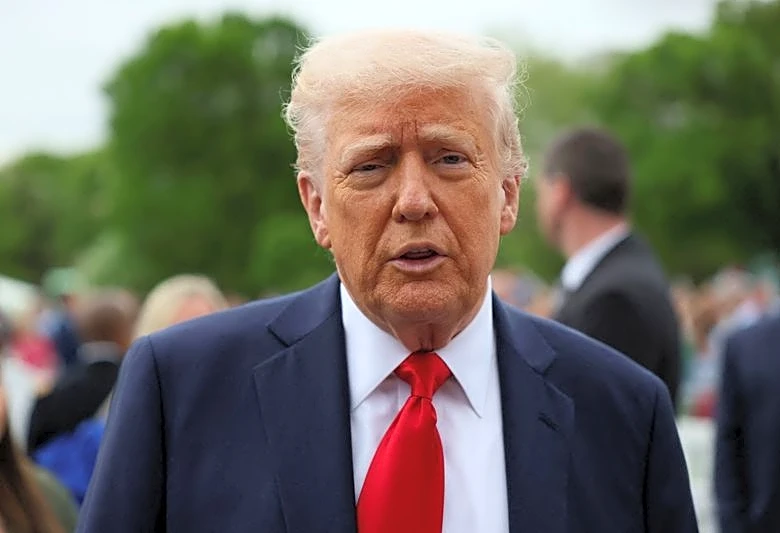
The Pentagon has informed U.S. senators of its need for approximately $80 billion to cover costs associated with the ongoing war against Iran. This request is part of a larger military spending increase sought by President Trump, which includes a proposed
$1.5 trillion budget for the Pentagon. Defense Secretary Pete Hegseth has been actively engaging with Capitol Hill to discuss the funding needs. The request, which has not yet been formally submitted to Congress by the White House Office of Management and Budget, is expected to face scrutiny from lawmakers. Senate Majority Leader John Thune has indicated that a supplemental spending request is anticipated, and discussions will follow to assess congressional support.
Why It's Important?
The request for additional funding highlights the significant financial implications of the U.S. military's involvement in Iran. The proposed $80 billion is intended to replenish munitions and cover operational costs, reflecting the broader strategic and economic challenges of sustaining military operations abroad. The funding request comes at a time when domestic economic concerns, such as high living costs, are prominent, potentially influencing public and political support. The decision to allocate such a substantial amount of taxpayer money to military efforts may face opposition from those who question the necessity and effectiveness of the war strategy.
What's Next?
As the Pentagon's funding request moves forward, it is likely to encounter debate and negotiation within Congress. Lawmakers will need to balance military needs with domestic priorities, potentially leading to adjustments in the proposed budget. The outcome of these discussions could impact future U.S. military strategy and spending, as well as broader geopolitical relations. Additionally, the request may be bundled with other funding needs, such as disaster aid, to garner broader support.