







What's Happening?
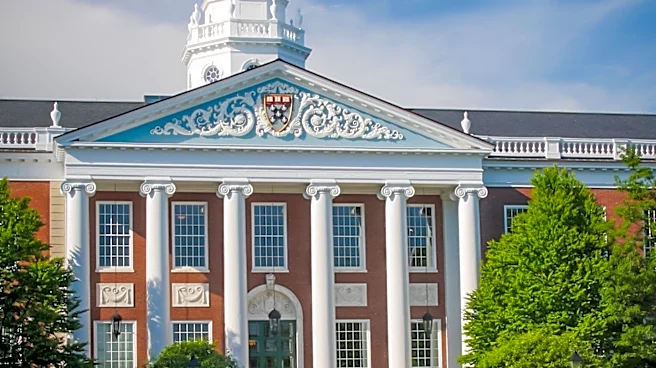
Samantha Power, the Anna Lindh Professor of the Practice of Global Leadership and former USAID director, participated in a discussion at the John F. Kennedy Jr. Forum. The event, moderated by Nancy Gibbs, the Edward R. Murrow Professor of Practice of Press,
Politics and Public Policy, explored the parallels between the TV series 'The Diplomat' and real-life U.S. diplomatic work. Power was joined by Debora Cahn, creator of the series, and Keri Russell, its star. The conversation highlighted the dedication and challenges faced by individuals in foreign service and at USAID. Cahn noted that Power's memoir, 'The Education of an Idealist,' influenced the character played by Russell, particularly in depicting the relentless commitment required in diplomacy. Russell also stated that reading Power's book provided insights into the personality needed to thrive in high-stakes diplomatic environments. The discussion emphasized the human element in diplomacy, including the dilemmas faced by diplomats balancing personal beliefs with government directives.
Why It's Important?
This discussion underscores the critical role of U.S. foreign service and USAID in global affairs, bringing public attention to the complexities and dedication involved in diplomatic work. By drawing parallels with a popular television series, the event helps demystify the often-unseen efforts of diplomats and aid workers, potentially fostering greater public understanding and appreciation for their contributions. For USAID, this kind of public engagement can highlight its mission in humanitarian assistance and international development, potentially influencing public support and future policy decisions regarding foreign aid. The emphasis on the 'relentlessness' and problem-solving commitment of diplomats also serves to inspire individuals considering careers in public service, which is vital for maintaining a robust and skilled diplomatic corps. Furthermore, the event's focus on the human aspect of diplomacy—the ethical dilemmas and personal sacrifices—provides a more nuanced view of international relations beyond policy documents.
What's Next?
The ongoing public discourse surrounding diplomacy and foreign service, as exemplified by events like this, may contribute to increased interest in government work and international relations. For USAID, continued visibility through such platforms can reinforce its importance in U.S. foreign policy objectives and global stability. Future discussions could delve deeper into specific policy challenges or the evolving nature of diplomacy in a rapidly changing world. The creators of 'The Diplomat' expressed a hope that the show would encourage enrollment in government work, suggesting that the series, alongside real-life accounts from figures like Power, could have a lasting impact on recruitment for diplomatic roles. Continued collaboration between media and public figures in diplomacy might further bridge the gap between public perception and the realities of foreign service.
Beyond the Headlines
The event touches upon the ethical dimensions of diplomacy, where individuals must navigate complex situations often involving conflicting values and national interests. The discussion about diplomats going 'to the mattresses' over issues, regardless of their perceived scale, highlights a profound commitment to their work and the principles they uphold. This dedication, even in the face of setbacks or the abrupt closure of initiatives, speaks to a deeper professional ethos within the foreign service. Culturally, the portrayal of diplomats in popular media, as discussed, can shape public perception and potentially influence the next generation's career choices, fostering a greater appreciation for global engagement. The idea of diplomacy as a 'love letter' to service suggests a vocational calling that transcends mere job functions, emphasizing the personal investment and passion required for effective international relations.