


What's Happening?
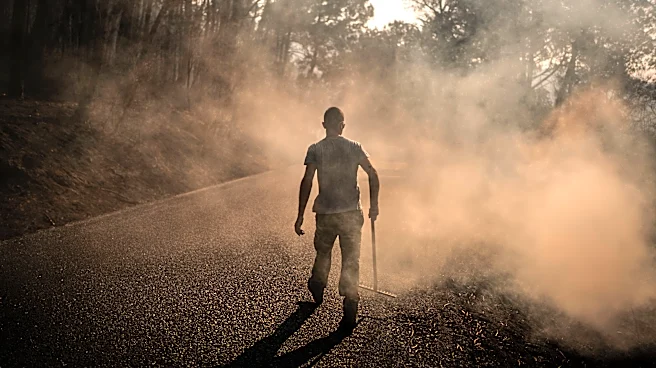
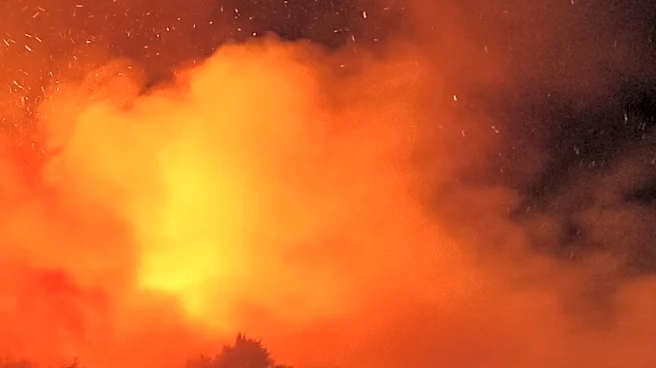
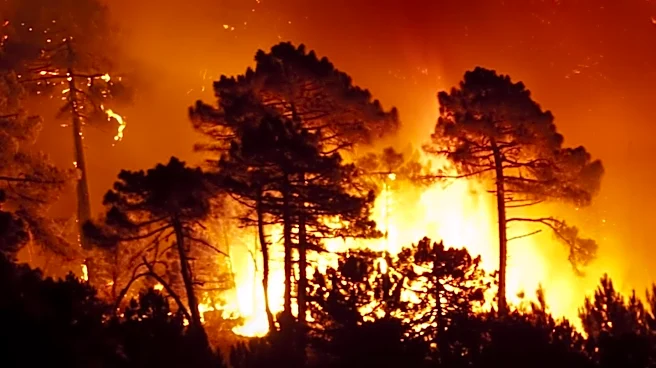
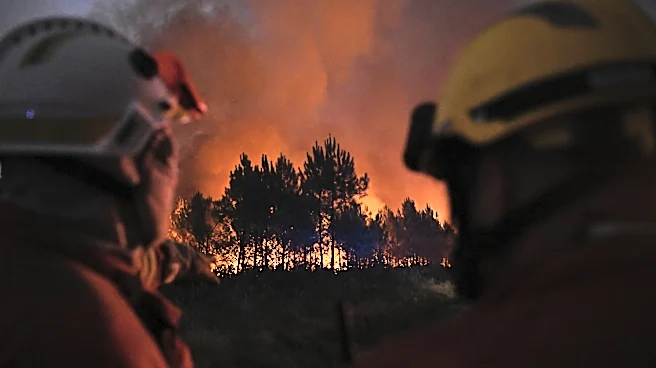
In July 2026, Spain and France experienced some of the largest wildfires in decades, leading to widespread evacuations and destruction. In Spain, a fire in Ávila charred approximately 50,000 hectares, surpassing previous records. The fire merged with
others, expanding to 77,000 hectares, an area comparable to New York City. In France, fires in the Gironde Department burned over 42,000 hectares, affecting the village of Le Porge. Environmental conditions, including wet winters followed by heat waves and drought, contributed to the fires' intensity. Strong winds further exacerbated the situation, leading to the formation of pyrocumulonimbus clouds.
Why It's Important?
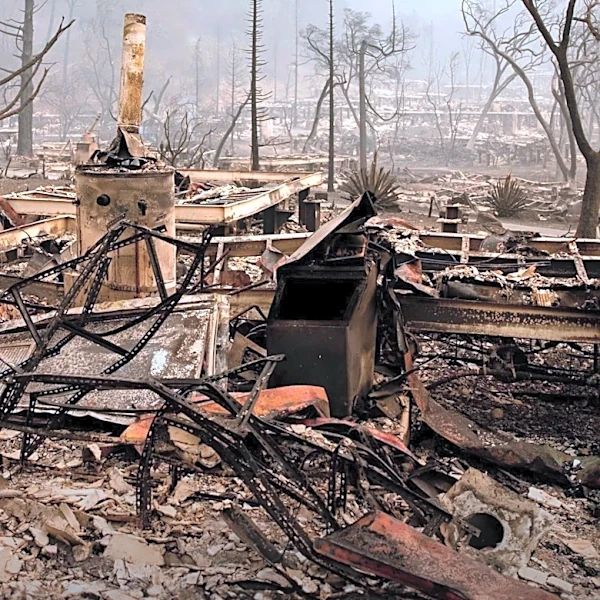
The fires in Spain and France highlight the increasing vulnerability of regions to extreme weather events, exacerbated by climate change. The destruction of homes and infrastructure underscores the need for improved fire management and prevention strategies. The formation of pyrocumulonimbus clouds, a rare phenomenon, indicates the severity of the fires and their potential impact on atmospheric conditions. These events serve as a reminder of the urgent need for global efforts to address climate change and its effects on natural disasters.
What's Next?
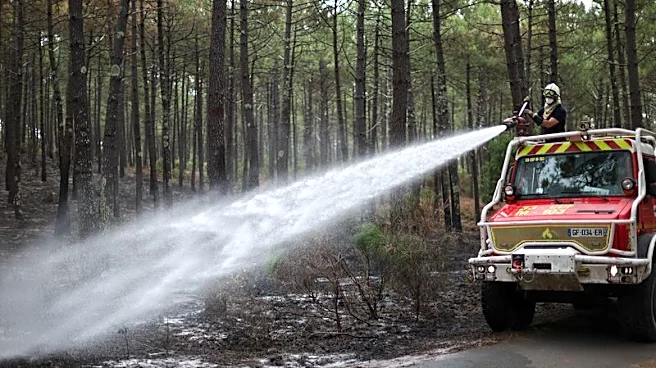
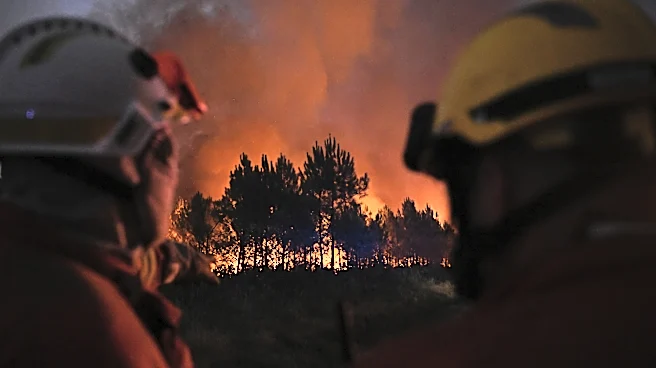
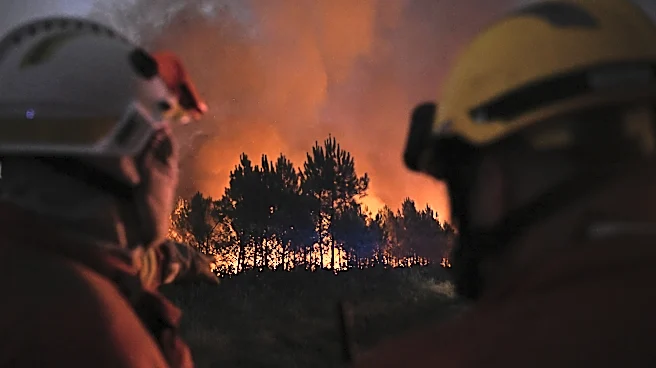
Firefighters and military personnel continue to battle the fires, using aircraft and ground teams to contain the blazes. While evacuation orders are being lifted, the risk of fire remains high due to persistent hot and dry conditions. Authorities are monitoring the situation closely, and further analysis of environmental conditions may inform future fire prevention strategies. The use of satellite data for real-time monitoring will aid in tracking fire behavior and assessing damage.
Beyond the Headlines
The fires in Spain and France may prompt discussions on the role of climate change in increasing the frequency and intensity of wildfires. The impact on local communities and ecosystems raises questions about long-term recovery and adaptation strategies. The collaboration between international scientists and fire experts highlights the importance of global cooperation in addressing environmental challenges.