
What's Happening?
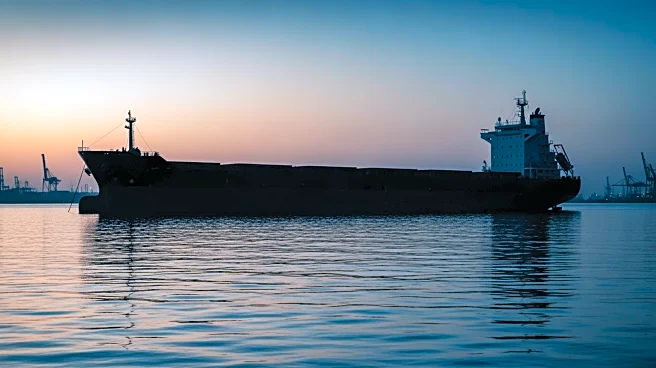
The NGO Robin des Bois has expressed significant concern over the situation of thousands of seafarers and approximately 70,000 animals currently stranded on livestock carriers in the Middle East. These carriers, which have been exporting livestock from
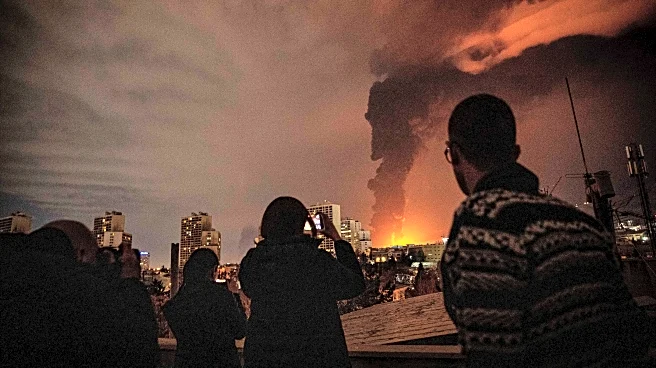
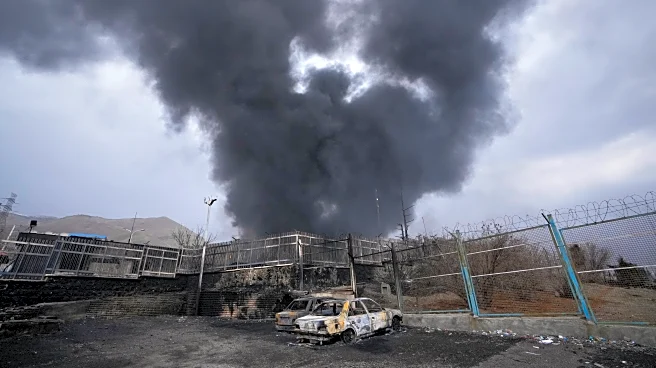
regions such as South America, the European Union, and the Horn of Africa, are now caught in a conflict zone affecting countries like Saudi Arabia, the United Arab Emirates, Lebanon, Iraq, Israel, and Jordan. The NGO highlights that under normal circumstances, the conditions on these ships are already poor, but the current geopolitical tensions have exacerbated the situation, making it dire. Six specific vessels are identified as being in the conflict zone, with others heading towards it. The NGO has called for international regulations to address the conditions on livestock carriers, especially in times of crisis.
Why It's Important?
The delay of livestock carriers in the Middle East has significant implications for international trade and animal welfare. The disruption affects the supply chain of livestock, impacting economies that rely on these exports. Additionally, the welfare of the animals is a major concern, as prolonged confinement under poor conditions can lead to severe health issues. The situation also highlights the vulnerability of maritime operations to geopolitical conflicts, which can have cascading effects on global trade. The call for international regulations by the NGO underscores the need for a coordinated global response to ensure humane treatment of animals and the safety of seafarers, which could lead to policy changes in maritime law.
What's Next?
The ongoing conflict in the Middle East suggests that delays and disruptions may continue, potentially leading to further calls for international intervention. Stakeholders, including governments and international organizations, may need to engage in diplomatic efforts to ensure safe passage for these carriers. The situation could prompt discussions at the International Maritime Organization (IMO) regarding the establishment of binding regulations for livestock carriers. Additionally, there may be increased pressure on countries involved in the export and import of livestock to develop contingency plans to mitigate the impact of such disruptions in the future.
Beyond the Headlines
The current situation with livestock carriers in the Middle East could lead to broader discussions about the ethics of live animal exports. The welfare of animals during transport has been a contentious issue, and this crisis may amplify calls for reform in how livestock is traded globally. Furthermore, the incident highlights the need for improved crisis management strategies in the maritime industry, particularly in conflict zones. The potential for long-term regulatory changes could reshape the landscape of international livestock trade, emphasizing the importance of humane treatment and safety in maritime operations.