





What's Happening?
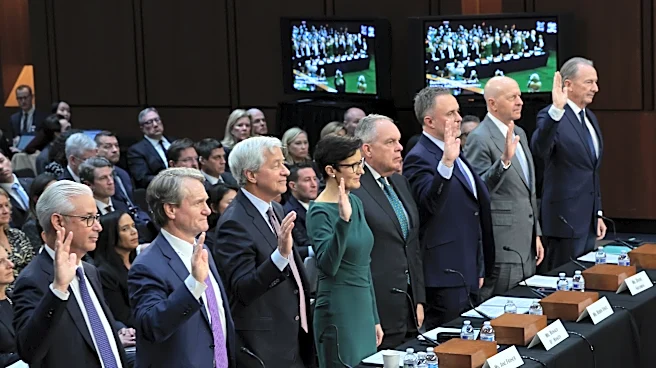
On November 4, 2026, the state of Illinois conducted bar admission ceremonies across its five judicial districts, welcoming 1,572 new attorneys. These individuals successfully passed both the Illinois State Bar Examination and a mandatory ethics examination,
and were certified by the Supreme Court Committee on Character and Fitness. Approximately 1,250 of these new lawyers took their oath in the First Judicial District, with Illinois Supreme Court Chief Justice P. Scott Neville Jr., Justice Joy V. Cunningham, and Justice Sanjay T. Tailor presiding over two ceremonies in Chicago. Speakers at these events, including Judge Amy St. Eve of the U.S. Court of Appeals for the Seventh Circuit and Illinois Attorney General Kwame Raoul, emphasized the critical role these new attorneys will play in upholding the law and the Constitution. Additional ceremonies were held in Elgin, Joliet, Springfield, Carbondale, and Champaign for the remaining new admittees.
Why It's Important?
The swearing-in of over 1,500 new attorneys is a significant event for the legal landscape in Illinois and the broader U.S. legal system. This influx of legal professionals ensures a continued supply of talent to address the diverse legal needs of the state's population and businesses. The requirement for new attorneys to pass an ethics examination underscores the legal profession's commitment to maintaining high standards of conduct and integrity, which is crucial for public trust in the justice system. The emphasis placed by judicial leaders on protecting reputation, committing to excellence, and joining bar associations highlights the importance of professional development and ethical practice. This replenishment of the legal workforce is vital for the efficient functioning of courts, legal aid services, and corporate legal departments, impacting access to justice and the rule of law.
What's Next?
The newly admitted attorneys are now poised to begin their legal careers, contributing to various practice areas across Illinois. They are encouraged to join local bar associations, which will provide them with support, mentorship, and networking opportunities, fostering their professional growth. Their integration into the legal community will likely lead to increased capacity in legal services, potentially impacting case backlogs and the availability of legal representation. The ongoing commitment to ethical practice, as highlighted by the mandatory ethics examination, will continue to shape the legal profession's standards. These new lawyers will play a role in interpreting and applying existing laws, and potentially influencing future legal developments within the state.
Beyond the Headlines
Beyond the immediate impact of increasing the number of practicing lawyers, this event reflects the enduring importance of legal education and professional gatekeeping in the U.S. The rigorous process of passing both a bar examination and an ethics examination serves as a critical filter, ensuring that those who enter the legal profession possess both the intellectual capacity and the moral compass required for the role. The emphasis on ethical conduct is particularly salient in an era where public trust in institutions is often scrutinized. The encouragement for new attorneys to 'breathe life into those words of the Constitution' speaks to the foundational role lawyers play in upholding democratic principles and ensuring a 'more perfect union,' highlighting the civic responsibility inherent in the legal profession.