






What's Happening?
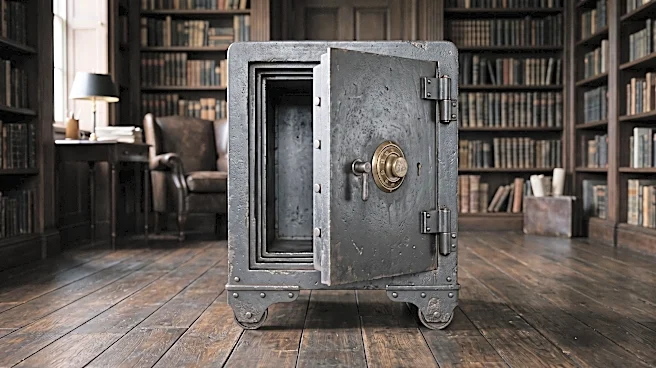
An antique safe, once belonging to Maggie AuFrance, a prominent Douglas madam, has been opened by a locksmith for its current owner, John Noffsinger of Casper. Noffsinger acquired the safe approximately 25 years ago from a dental office. The safe, bearing
the name 'MAGGIE AUFRANCE,' was reportedly never opened before Noffsinger's purchase. Upon opening, it was found to be empty. Maggie AuFrance operated houses of prostitution in Douglas for much of her life, accumulating significant wealth and real estate. She was known for her business acumen, including managing her establishments and investing in local ventures. Her life included a marriage to Ben Wheelock in 1913, a conviction under the Mann Act in 1912 leading to a six-month prison sentence, and a prohibition raid on her property in 1925. Thad Hoff of Wyoming State Safe & Lock, a specialist in opening antique safes, explained various techniques for cracking old safes, noting that manipulation and drilling are common methods, but the safe in question showed no signs of having been drilled.
Why It's Important?
The opening of Maggie AuFrance's safe, despite its emptiness, provides a tangible link to a significant, albeit often overlooked, aspect of Wyoming's history: the role of madams and the illicit economies of the late 19th and early 20th centuries. AuFrance's story highlights the complex social dynamics of the era, where individuals could amass wealth through unconventional means and exert influence within their communities. Her legal troubles, including the Mann Act conviction and prohibition raid, reflect the evolving moral and legal landscape of the United States during that period. The safe itself, as a historical artifact, symbolizes the hidden narratives and personal histories that often remain locked away. For historians and local communities, such discoveries, even without physical contents, offer opportunities to delve deeper into the lives of historical figures and the societal structures they navigated, enriching the understanding of regional heritage.
What's Next?
While the safe itself yielded no physical treasures, its historical significance remains. John Noffsinger will likely continue to preserve the safe as a unique piece of Wyoming history. The story of Maggie AuFrance and her safe may inspire further local historical research into the lives of women in the American West, particularly those involved in the 'red-light' districts. Local historians and museums might take an interest in the safe's provenance and the broader context of AuFrance's life, potentially leading to exhibitions or educational programs. The expertise of locksmiths like Thad Hoff in opening antique safes will continue to be valuable for individuals and institutions seeking to uncover the secrets of historical artifacts, ensuring that such items can be studied and appreciated without damage. This event serves as a reminder of the ongoing process of uncovering and interpreting historical narratives.
Beyond the Headlines
The narrative surrounding Maggie AuFrance's safe extends beyond a simple historical anecdote, touching upon themes of female entrepreneurship, social mobility, and the hidden economies that shaped the American West. AuFrance, despite operating outside societal norms, demonstrated considerable business acumen and resilience, accumulating wealth and property. Her story challenges conventional perceptions of women's roles during that period and sheds light on the complex moral ambiguities of frontier life. The emptiness of the safe, while initially disappointing, paradoxically amplifies its symbolic value, suggesting that the true 'treasures' were not material possessions but rather the untold stories, the power dynamics, and the social networks that defined AuFrance's world. It prompts reflection on how history is preserved, interpreted, and often re-evaluated through the discovery of such artifacts, offering a more nuanced understanding of the past.