






What's Happening?
The ongoing fertilizer crisis in Africa, exacerbated by geopolitical tensions and supply chain disruptions, has highlighted the limitations of subsidized fertilizer schemes. These programs have often failed to significantly increase fertilizer use among
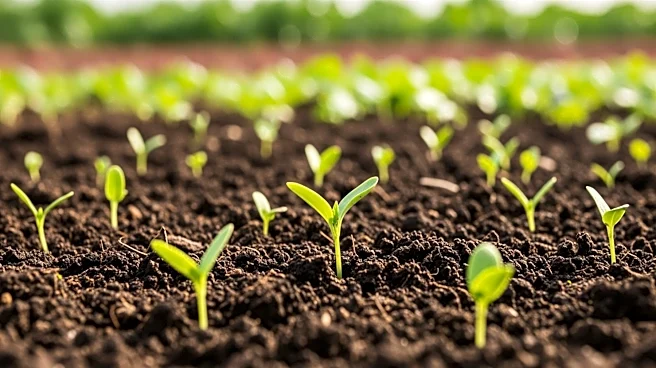
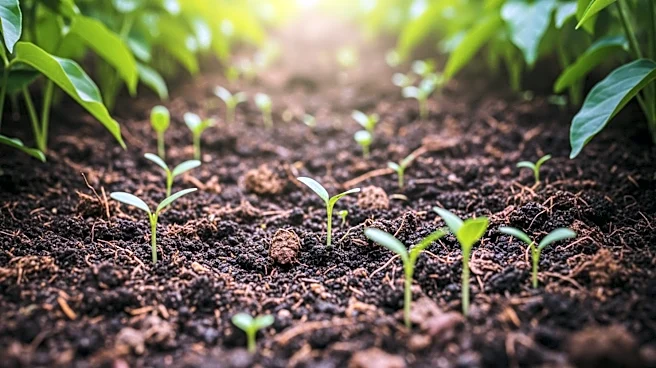
farmers or alleviate hunger, while leaving governments in debt. In response, agroecology is being promoted as a viable alternative. This approach, which emphasizes environmentally sensitive agricultural techniques, has shown promise in increasing food production and improving farmer livelihoods. Studies have demonstrated yield increases of 50-100% for various staples when agroecological methods are applied. Despite the challenges, there is a growing call for African governments to redirect subsidies and policy initiatives towards supporting agroecology, which could offer a more sustainable and self-reliant path forward.
Why It's Important?
The shift towards agroecology in Africa could have significant implications for food security and economic stability on the continent. By reducing dependency on expensive imported fertilizers, countries can conserve foreign reserves and mitigate the impact of global supply shocks. Agroecology also aligns with global efforts to combat climate change, as chemical fertilizers are major contributors to greenhouse gas emissions. The transition could empower local farmers, enhance biodiversity, and promote sustainable land use. However, breaking the cycle of monocropping and export-oriented agriculture remains a challenge. Success in this area could serve as a model for other regions facing similar agricultural and environmental challenges.
What's Next?
As the fertilizer crisis continues, African governments and international agencies are likely to face increasing pressure to adopt agroecological practices. This may involve policy shifts, investment in research and development, and support for farmer education and training programs. The success of these initiatives will depend on collaboration between governments, NGOs, and local communities. Additionally, the international community's response to the crisis, including potential aid and investment, will play a crucial role in shaping the future of agriculture in Africa. Monitoring the outcomes of agroecological projects could provide valuable insights for scaling up these practices across the continent.
Beyond the Headlines
The move towards agroecology in Africa could have broader cultural and ethical implications. It represents a shift away from industrial agriculture and towards more traditional, community-based farming practices. This transition could strengthen local food systems, preserve cultural heritage, and promote food sovereignty. Furthermore, it challenges the dominance of multinational agribusinesses and highlights the need for equitable and sustainable agricultural policies. As the world grapples with climate change and resource scarcity, Africa's experience with agroecology could offer valuable lessons for global food systems.