







What's Happening?
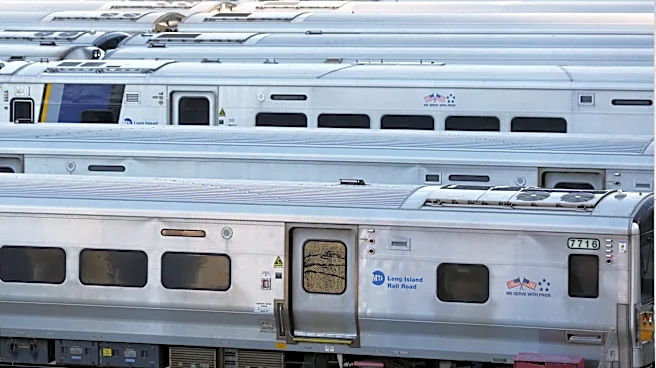
The Long Island Rail Road (LIRR) strike, the first in over 30 years, has ended following a deal between union and transit officials. The strike had caused significant disruption for over a quarter-million riders. Although the strike is over, full service
will not resume until the evening commute, prompting the MTA to advise commuters to work from home if possible. The terms of the agreement have not been disclosed, but Governor Kathy Hochul assured that there would be no tax or fare increases as a result of the deal.
Why It's Important?
The resolution of the LIRR strike is crucial for the daily lives of commuters who rely on the service for transportation. The strike highlighted the vulnerabilities in the transit system and the impact of labor disputes on public services. The assurance of no tax or fare increases is significant for commuters concerned about the financial implications of the strike. The situation underscores the importance of effective labor negotiations and the need for contingency plans to minimize disruption during transit strikes.
What's Next?
As service resumes, the MTA will focus on restoring full operations and addressing any residual issues from the strike. Commuters will need to adjust to the temporary service changes until normal operations are fully restored. The outcome of the labor negotiations may influence future discussions between the union and transit officials. Additionally, there may be increased scrutiny on the MTA's handling of labor disputes and its preparedness for similar situations in the future.