





What's Happening?
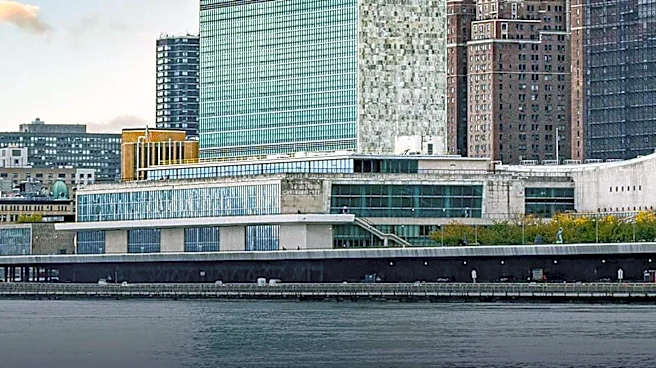
Afghan artists and human rights defenders recently convened in Geneva for the 'Blooming Afghanistan' initiative, organized by the World Organisation Against Torture (OMCT) and its partners. This event provided a platform for Afghan voices and visions,
featuring an exhibition of works by Afghan women artists and a concert dedicated to freedom. The initiative aimed to demonstrate that despite the Taliban's severe restrictions, including a near-total ban on music and public artistic expression, Afghan artists continue to create, resist, and be heard. Since retaking power in 2021, the Taliban has imposed harsh measures, such as publicly burning musical instruments and arresting artists, while women face particularly stringent restrictions, being barred from public singing, dancing, education, and employment. Many artists have fled the country, but those who remain often create and perform in secret.
Why It's Important?
This event is important because it highlights the critical role of art and cultural expression as a form of resistance and a means of preserving identity under oppressive regimes. The 'Blooming Afghanistan' initiative serves as a powerful reminder to the international community that even in the face of severe human rights abuses and cultural suppression, the spirit of creativity and dissent endures. By providing a platform for Afghan artists and human rights defenders, the event not only amplifies their voices but also draws international attention to the ongoing human rights crisis in Afghanistan, particularly concerning women and artists. It underscores the need for continued international support for those resisting the Taliban's policies and for efforts to protect civic space and cultural heritage in conflict-affected regions. The resilience demonstrated by these individuals challenges the normalization of Taliban rule and advocates for a future where Afghan culture can thrive freely.
What's Next?
The 'Blooming Afghanistan' initiative, by bringing together human rights defenders and artists with international experts and UN officials, aims to foster ongoing dialogue and support for Afghan civil society. Future efforts will likely focus on sustaining these platforms for expression and advocacy, ensuring that the international community remains aware of the situation in Afghanistan. This could involve continued exhibitions, concerts, and discussions to highlight the plight of artists and women, and to advocate for their rights. The engagement with the new UN Independent Investigative Mechanism suggests a pathway for documenting and addressing human rights violations. The event also encourages broader international support for organizations working to protect human rights defenders and empower survivors of repression, emphasizing the importance of global solidarity in challenging authoritarian rule and preserving cultural freedoms.
Beyond the Headlines
The 'Blooming Afghanistan' initiative delves into the profound cultural and psychological impact of the Taliban's rule. Beyond the immediate human rights violations, the suppression of art and public expression represents an attempt to erase a significant part of Afghan identity and collective memory. The act of creating and performing in secret, or in exile, becomes a powerful act of defiance, maintaining a connection to a heritage that is under attack. This cultural resistance also serves as a vital source of hope and solidarity for the Afghan community, both within the country and in the diaspora. The event implicitly raises questions about the long-term effects of cultural eradication on a society and the role of international bodies in safeguarding cultural rights as fundamental human rights. It highlights how art can transcend political boundaries and serve as a universal language for freedom and resilience.