




What's Happening?
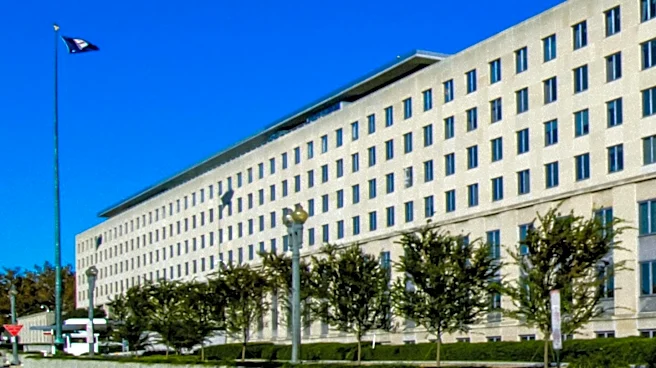
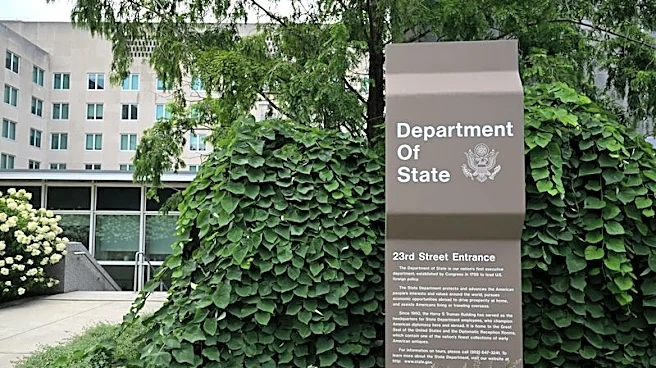
A new proposal suggests implementing a domestic service requirement for U.S. Foreign Service Officers (FSOs) to strengthen the connection between American diplomats and the public. This initiative aims to address the perceived disconnect between U.S. foreign
policy and the American populace. Historically, the State Department has been criticized for its lack of diversity and its concentration of diplomats in Washington, D.C. The proposal advocates for the establishment of Domestic Liaison Offices (DLOs) across all 50 states, where FSOs would engage with local industries and communities. This approach seeks to diversify recruitment and ensure that U.S. foreign policy reflects the interests and values of a broader segment of the American population.
Why It's Important?
The proposed reform could significantly alter the landscape of U.S. diplomacy by decentralizing the State Department's operations and fostering a more inclusive approach to foreign policy. By embedding diplomats within local communities, the initiative aims to create a foreign policy that is more representative of and responsive to American citizens. This could enhance public trust in diplomatic efforts and ensure that foreign policy decisions are informed by a wider array of perspectives. Additionally, the reform could address longstanding issues of diversity within the State Department, potentially leading to more equitable representation in diplomatic roles.
What's Next?
If implemented, the domestic service requirement would necessitate significant structural changes within the State Department. This includes the establishment of new offices and the reallocation of resources to support domestic assignments. The proposal would require legislative approval and collaboration with state governments to integrate FSOs into local communities. The success of this initiative would depend on its ability to effectively engage with diverse populations and industries, as well as its capacity to influence foreign policy decisions at the national level. The reform could serve as a model for other government agencies seeking to enhance public engagement and representation.