






What's Happening?
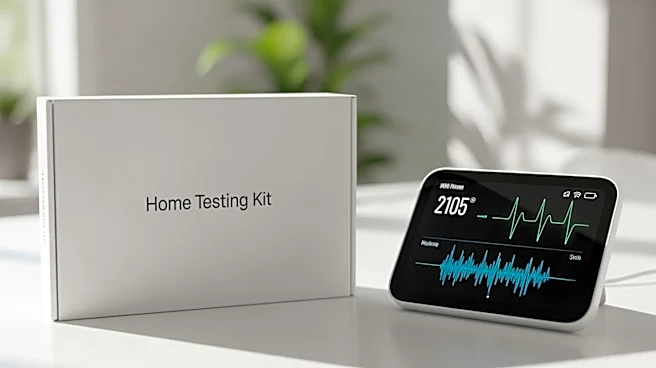
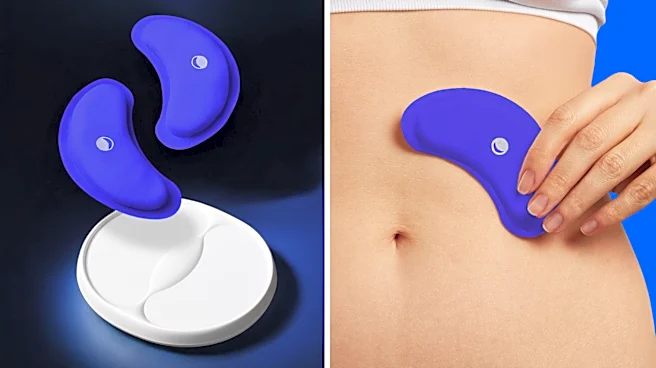
Noom, a leader in digital health and behavior change, has launched a $125 at-home Biomarkers Test Kit for its U.S. members. This kit is designed to provide comprehensive metabolic and cardiovascular tracking by utilizing the Tasso+ device for painless
blood collection. It measures 17 clinically significant biomarkers, including HbA1c, ApoB, triglycerides, hs-CRP, and Lp(a). The initiative aims to uncover hidden health risks in individuals who are otherwise considered healthy based on traditional metrics like BMI. Early data from Noom's Proactive Health program indicates that a significant portion of these individuals have elevated LDL-C and suboptimal HbA1c levels, highlighting the need for more nuanced health monitoring.
Why It's Important?
The introduction of Noom's Biomarker Test Kit represents a shift towards more proactive and personalized health management. By providing real-time feedback on metabolic and cardiovascular health, the kit empowers individuals to take control of their health outside of traditional healthcare settings. This approach addresses the diagnostic gap in metabolic health, where many individuals remain unaware of their prediabetes or cardiovascular risks. The kit also supports the management of GLP-1 therapies, offering data that can help determine when patients can safely reduce or discontinue medication, potentially reducing healthcare costs.
What's Next?
As Noom's Biomarker Test Kit becomes more widely used, it could lead to broader adoption of at-home health diagnostics, encouraging other companies to develop similar products. This could result in a more informed public, better equipped to manage their health proactively. Additionally, healthcare providers may increasingly rely on data from such kits to tailor treatment plans, potentially improving patient outcomes and reducing the burden on traditional healthcare systems.
Beyond the Headlines
The launch of Noom's test kit highlights the growing trend of integrating technology with healthcare to provide personalized solutions. This development could lead to significant changes in how health risks are identified and managed, moving away from episodic care to continuous monitoring. However, it also raises questions about data privacy and the need for robust regulations to protect consumer information. As more individuals gain access to detailed health data, there may be a shift in how health insurance and healthcare services are structured, potentially leading to more personalized and cost-effective care.