







What's Happening?
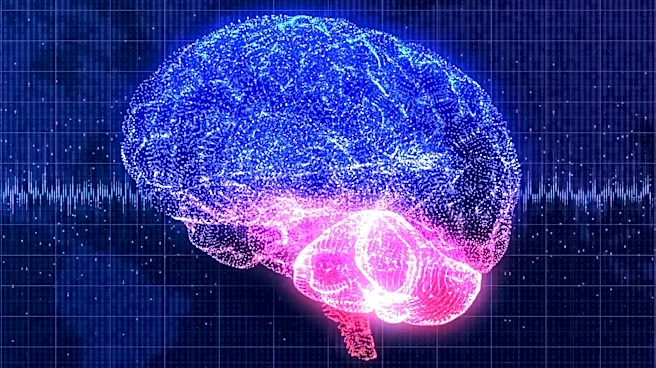
A study using machine learning has identified critical brain regions associated with obesity and impulsivity in young adults. Researchers analyzed neuroanatomical features from the Human Connectome Project dataset, finding that certain brain areas, such
as the prefrontal and cingulate cortices, are linked to impulsivity and obesity. The study highlights the potential of using advanced data analysis techniques to understand complex behaviors and conditions.
Why It's Important?
This research provides new insights into the neurological underpinnings of obesity, a major public health issue. By identifying specific brain regions associated with impulsivity, the study suggests potential targets for interventions aimed at reducing obesity rates. Understanding the brain's role in impulsivity and weight management could lead to more effective treatments and prevention strategies, addressing a significant contributor to chronic health conditions.
What's Next?
The findings pave the way for further research into the brain-behavior relationship in obesity. Future studies could explore how modifying activity in these identified brain regions might influence impulsivity and weight management. This research could also inform the development of personalized treatment plans that consider an individual's neuroanatomical profile, potentially improving outcomes for those struggling with obesity.