


What's Happening?
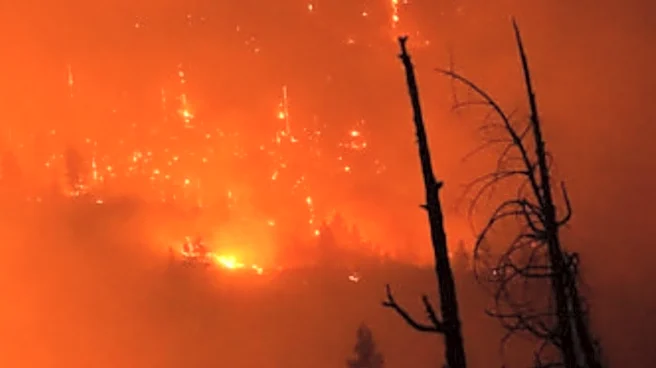
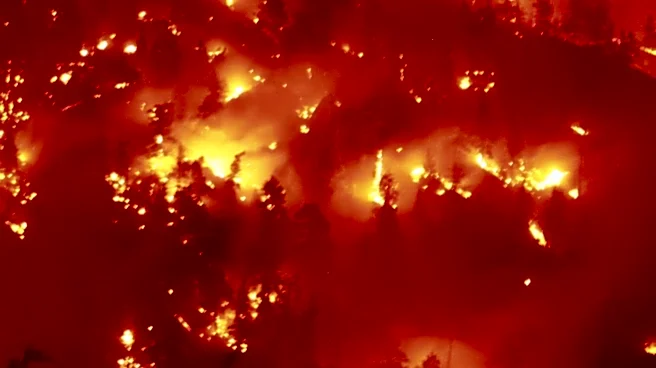
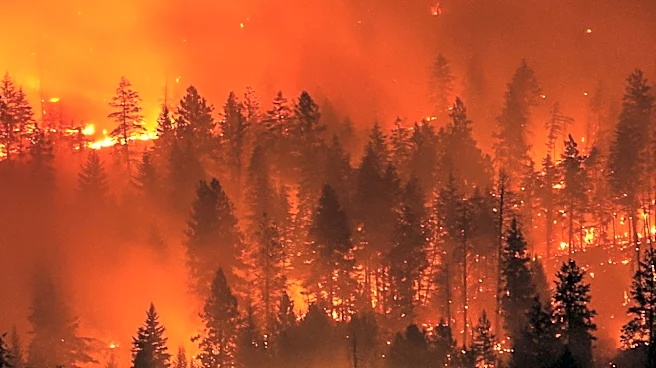
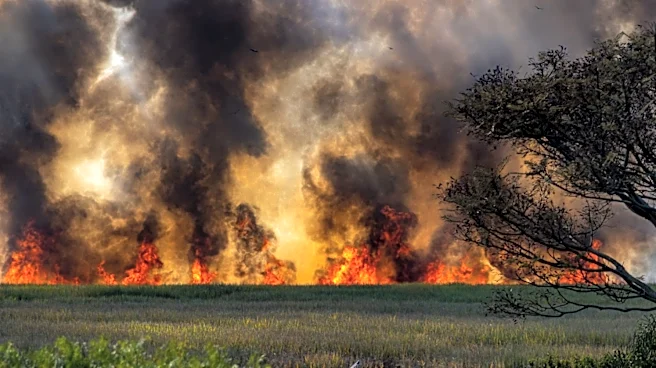
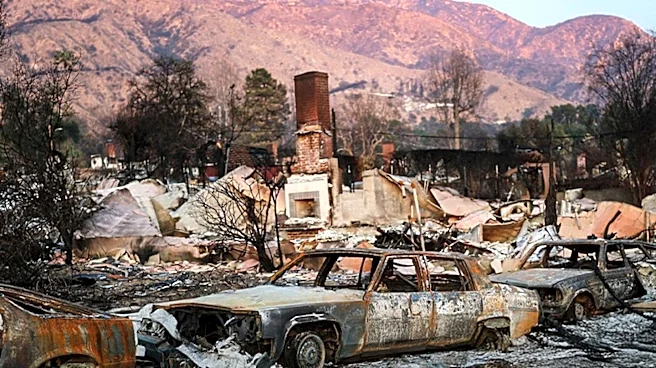
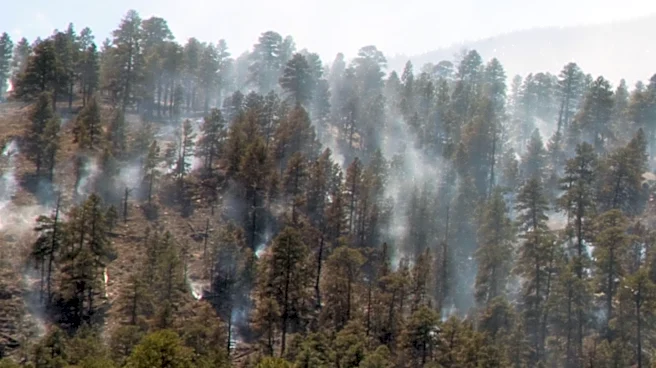
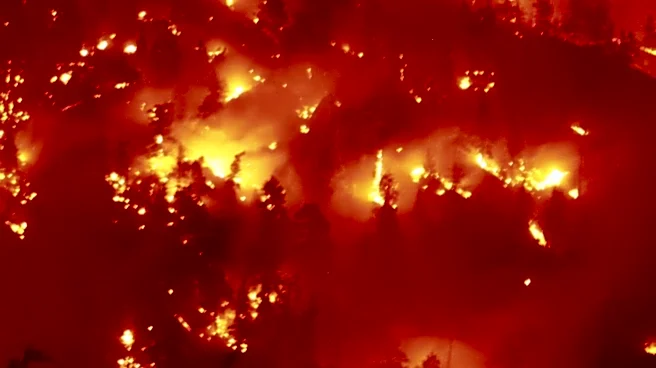
Wildfire smoke has significantly deteriorated air quality in Colorado, particularly affecting the Front Range and Northern Colorado regions. This has resulted in some of the worst air quality conditions in the United States. Health experts are advising
residents, especially those with pre-existing respiratory conditions, to take necessary precautions. The smoke, originating from wildfires, poses a serious health risk, exacerbating respiratory issues and potentially leading to other health complications. The situation has prompted increased awareness and caution among the public and health officials.
Why It's Important?
The impact of wildfire smoke on air quality is a critical public health concern. Poor air quality can lead to severe health issues, particularly for vulnerable populations such as children, the elderly, and those with respiratory conditions like asthma. The situation in Colorado highlights the broader implications of wildfires on public health and the environment. It underscores the need for effective emergency response strategies and public health advisories to mitigate health risks. Additionally, it raises awareness about the importance of addressing climate change and its role in increasing the frequency and intensity of wildfires.
What's Next?
Residents in affected areas are likely to continue facing air quality challenges as wildfires persist. Health officials may issue further advisories and recommend protective measures such as staying indoors, using air purifiers, and wearing masks when outside. There may also be increased efforts to monitor air quality and provide real-time updates to the public. In the long term, this situation could prompt discussions on improving wildfire management and response strategies, as well as policies aimed at reducing the impact of climate change.