





What's Happening?
Maine Governor Janet Mills attended the funeral of the late Rep. Barney Frank in Boston, while many Democrats hoped she would revive her Senate campaign against Graham Platner. Mills had previously suspended her campaign in April after trailing Platner in polls.
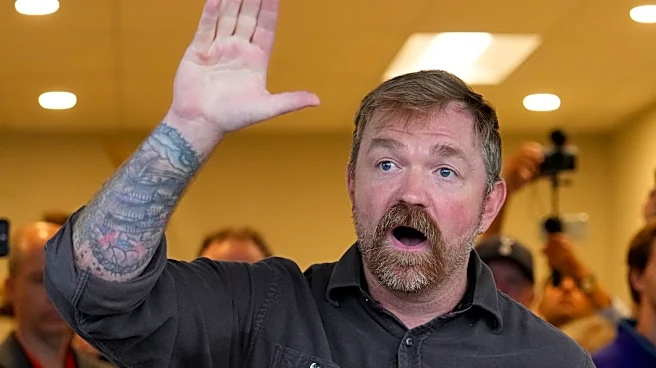
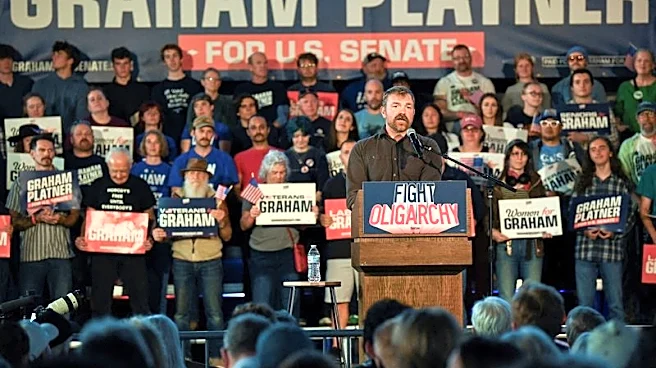
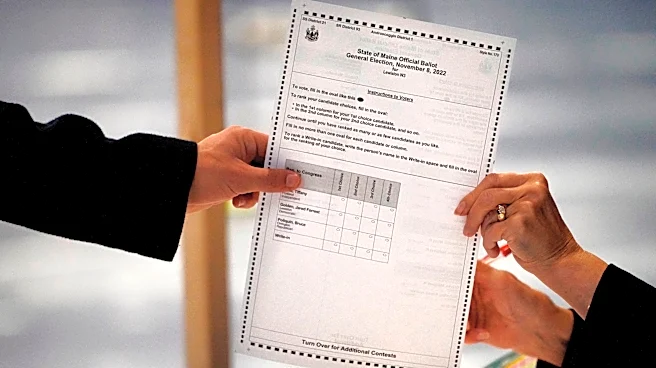
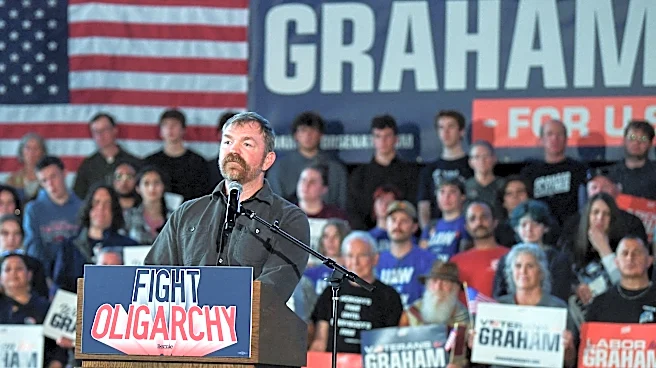
Despite allegations of misconduct against Platner, Mills chose not to re-enter the race, although she remains on the ballot. Platner, an oyster farmer, has faced accusations from former girlfriends and controversy over a Nazi-related tattoo. Mills, who has not endorsed any candidate, is seen as a potential protest vote against Platner, who is the presumptive Democratic nominee.
Why It's Important?
The situation highlights the challenges Democrats face in securing a viable candidate against incumbent Republican Senator Susan Collins. Mills' decision not to actively campaign leaves Democrats with Platner, whose controversies could weaken his chances in the general election. The outcome of this race is crucial for Democrats aiming to regain control of the Senate. Mills' presence on the ballot, despite not campaigning, could influence the primary results and reflect Democratic dissatisfaction with Platner. The race underscores the importance of candidate vetting and the impact of personal controversies on political campaigns.
What's Next?
As the primary approaches, Democrats will closely watch the results to gauge Platner's support. If Mills garners significant votes despite not campaigning, it could signal a lack of confidence in Platner. The party may need to strategize on how to strengthen their position against Collins, who has a history of outperforming polls. The allegations against Platner could continue to be a focal point, potentially affecting his campaign's momentum. Democrats may also consider alternative strategies to consolidate support and address voter concerns about Platner's viability.