
What's Happening?
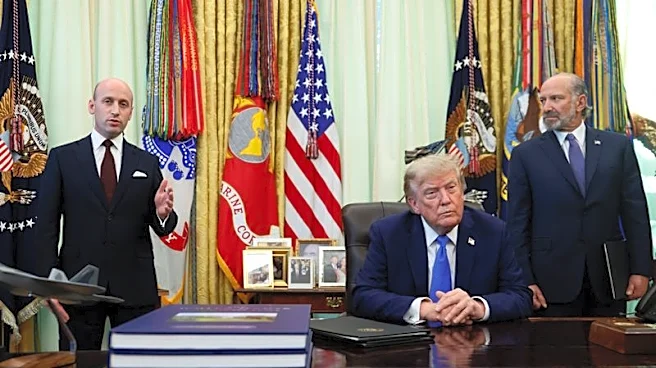
Connecticut officials, including Governor Ned Lamont and Attorney General William Tong, are preparing to counter new executive orders issued by President Trump that aim to limit birthright citizenship.
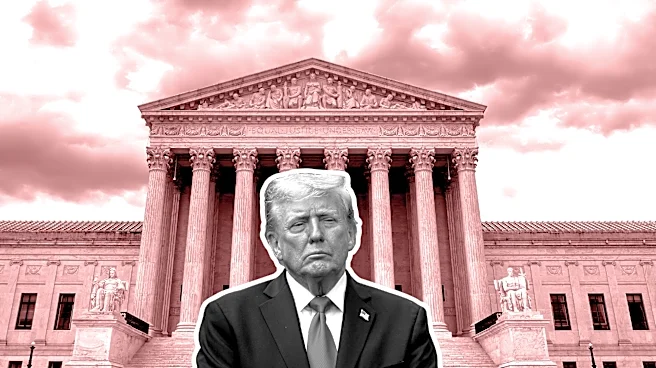
These orders come shortly after the U.S. Supreme Court struck down a previous attempt by the President to end automatic citizenship for those born in the United States. The new orders expand the criteria for ineligibility and target individuals involved in 'birth tourism.' Governor Lamont and other state leaders have expressed their commitment to defending the Fourteenth Amendment and ensuring that all individuals born in the U.S. retain their citizenship rights. State Rep. Josh Elliott, a Democratic challenger to Lamont, also criticized the orders, emphasizing their divisive nature.
Why It's Important?
The defense of birthright citizenship is a critical issue that touches on constitutional rights and the broader debate over immigration policy in the United States. President Trump's executive orders represent a significant shift in immigration policy, potentially affecting millions of individuals and families. Connecticut's response highlights the state's commitment to upholding constitutional protections and resisting federal actions perceived as discriminatory. The outcome of this legal and political battle could have far-reaching implications for immigration policy and civil rights in the U.S., influencing future legislative and judicial actions.
What's Next?
Connecticut's Attorney General William Tong is expected to explore legal avenues to challenge the executive orders, potentially leading to court battles that could set important precedents for immigration law. The state's actions may also inspire other states to take similar stands, creating a broader coalition against the federal government's attempts to alter birthright citizenship. As the situation develops, public and political discourse around immigration and constitutional rights is likely to intensify, with potential impacts on upcoming elections and policy decisions.