






What's Happening?
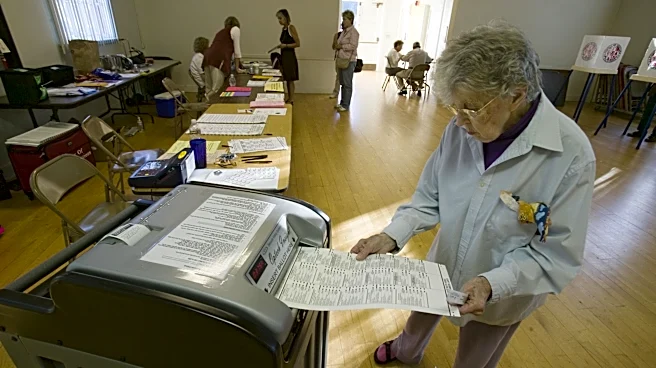
Voters in the city of Lexington have overwhelmingly approved a 1% Sales Tax Referendum aimed at funding much-needed upgrades for the city's school division. The referendum, placed on the ballot by the Lexington City Council, will increase the sales tax
for a period of five years. Lexington City Schools Superintendent Rebecca Walters expressed that this approval is a significant benefit for the division. The funds generated, estimated at $1.3 million annually for a total of $6.6 million over five years, will address critical capital projects. These include a new roof and HVAC system for the middle school, replacement of a gym floor, and contributions to updates and modernization at Rockbridge County High School, which Lexington high schoolers attend. The sales tax is set to expire in 2032, after which the City Council will decide whether to propose it again to voters. The vote breakdown showed 1,477 in favor and 645 against.
Why It's Important?
The approval of this sales tax referendum is crucial for the Lexington City Schools, as it provides a dedicated funding stream for essential infrastructure improvements that are typically beyond the scope of annual operating budgets. Aging school facilities can negatively impact the learning environment, student safety, and operational efficiency. By securing these funds, the school division can undertake necessary repairs and modernizations, ensuring that students have access to well-maintained and up-to-date educational facilities. This decision reflects the community's strong support for its local schools and its willingness to invest in the future of its students. For taxpayers, it represents a direct contribution to local education, with clear guidelines on how the funds can be used—specifically for capital improvements and not for salaries or routine supplies. This local funding mechanism also reduces reliance on potentially fluctuating state or federal aid for capital projects.
What's Next?
With the referendum approved, the Lexington City Schools division will proceed with planning and executing the identified capital projects. Superintendent Walters indicated that the funds would address over $8 million in planned projects, focusing on repair, modernization, and replacement of aging school components. The school board will likely prioritize projects based on urgency and impact, initiating procurement processes for contractors and materials. The City Council will monitor the collection and allocation of the sales tax revenue over the next five years. As the 2032 expiration approaches, the City Council will evaluate the ongoing needs of the school division and decide whether to place a similar referendum on the ballot again, allowing citizens to determine if the tax should continue. This period will also involve transparent reporting to the community on how the funds are being utilized and the progress of the school projects.
Beyond the Headlines
The successful passage of Lexington's sales tax referendum for schools highlights a broader trend in local governance where communities are increasingly taking direct action to fund essential public services. In an era of often constrained state and federal budgets, local sales taxes provide a direct and often more palatable mechanism for residents to invest in their immediate community needs, particularly education. This approach fosters a stronger sense of local ownership and accountability for public institutions. The specific allocation of funds to capital improvements, rather than operational costs, reflects a strategic financial decision to address long-term infrastructure needs without creating recurring budgetary dependencies. This model could serve as a blueprint for other municipalities facing similar challenges with aging school facilities, demonstrating how community consensus and direct voter engagement can secure vital funding for educational infrastructure. It also underscores the enduring value communities place on quality education and the physical environments that support it.