



What's Happening?
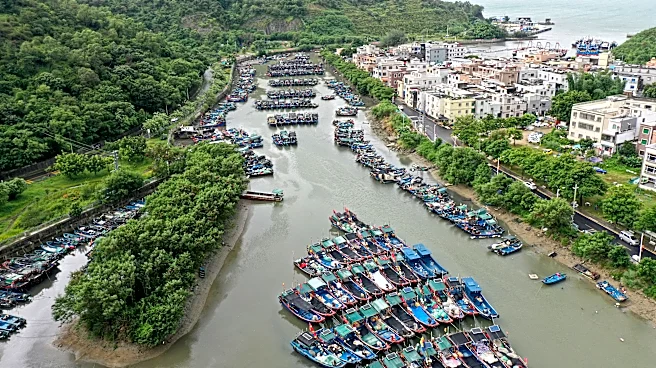
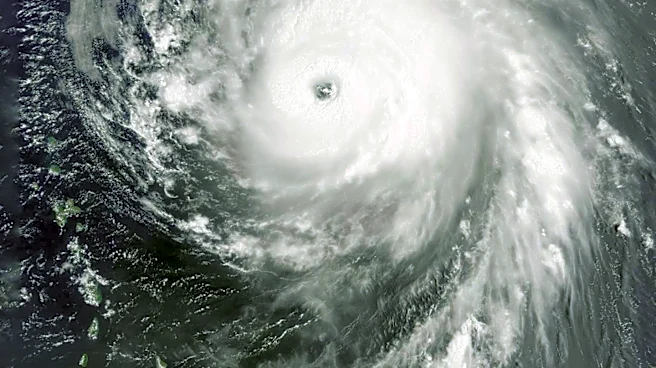
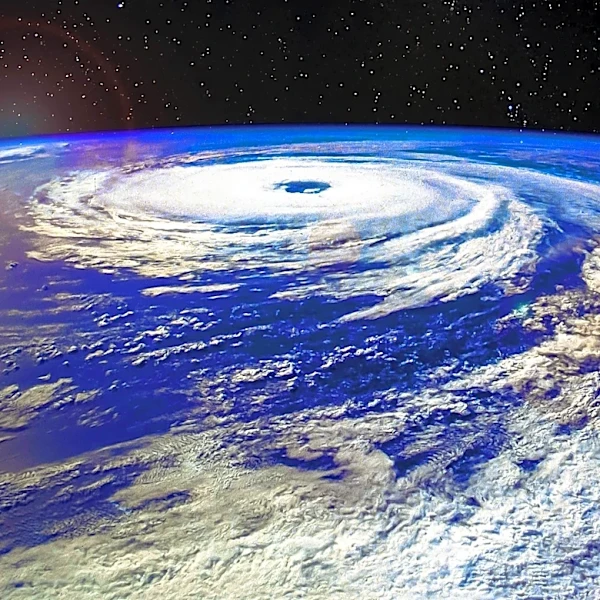
Typhoon Noul, the strongest typhoon to hit China this year, made landfall in southern China, including Hong Kong, causing significant disruptions. The storm prompted the evacuation of over 715,000 people in Guangdong province and led to the cancellation
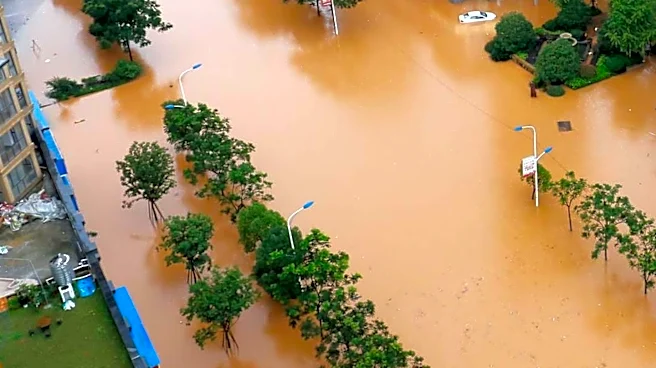
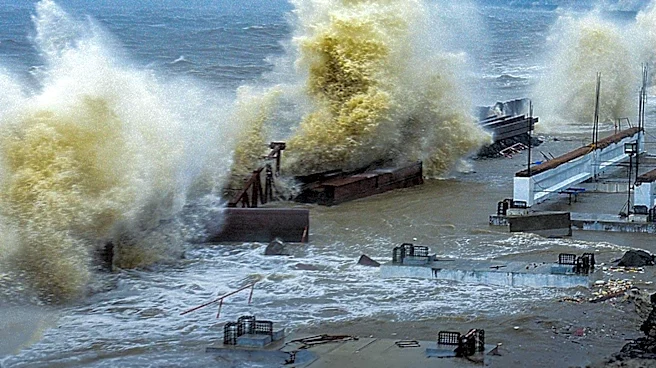
of hundreds of flights. The typhoon brought strong winds and heavy rain, with authorities issuing the highest alert for flash floods in several provinces. The storm is expected to continue affecting nearby provinces with heavy rainfall and strong winds. In Hong Kong, the typhoon caused structural damage, including the collapse of scaffolding on a high-rise building, though no injuries were reported. The storm also impacted Taiwan, bringing rainfall to its southern and eastern regions.
Why It's Important?
The impact of Typhoon Noul highlights the vulnerability of densely populated regions in southern China and Hong Kong to extreme weather events. The large-scale evacuations and flight cancellations underscore the logistical challenges and economic disruptions caused by such natural disasters. The typhoon's effects on infrastructure and transportation can have lasting economic implications, affecting local economies and international trade. Additionally, the event raises concerns about the increasing frequency and intensity of typhoons in the region, potentially linked to broader climate change patterns. The response to the typhoon will test the resilience and preparedness of local governments and communities in managing such crises.
What's Next?
As Typhoon Noul moves inland, authorities will focus on managing the aftermath, including restoring transportation services and assessing damage to infrastructure. Efforts will be made to ensure the safety and well-being of displaced residents, with potential long-term recovery plans to address the economic and structural impacts. The event may prompt discussions on improving disaster preparedness and response strategies in the region, as well as considerations for climate adaptation measures. The international community may also monitor the situation, offering support and assistance as needed.