




What's Happening?
Researchers from the Harvard T.H. Chan School of Public Health, in collaboration with the University of Virginia and the University of Alaska Anchorage, are working to address environmental hazards in Tuntutuliak, a remote Yup'ik community in Alaska's
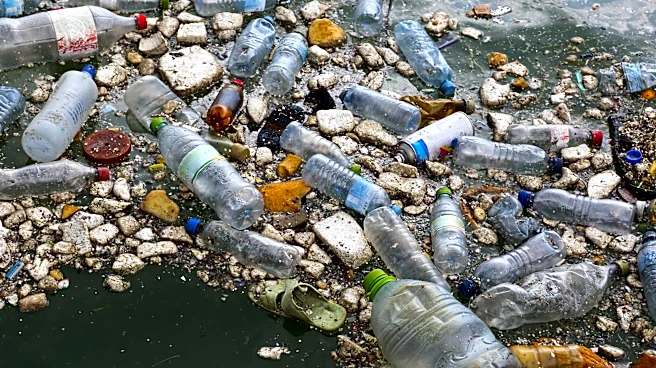
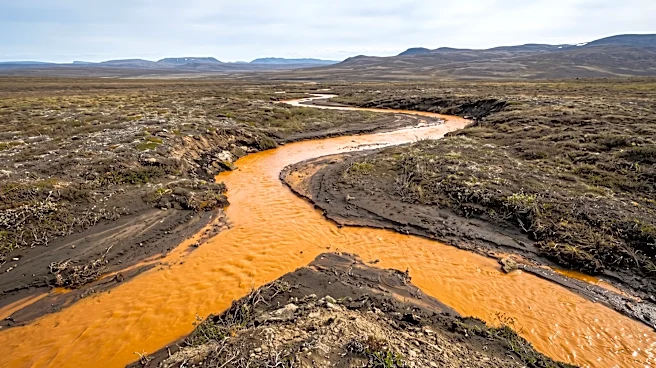
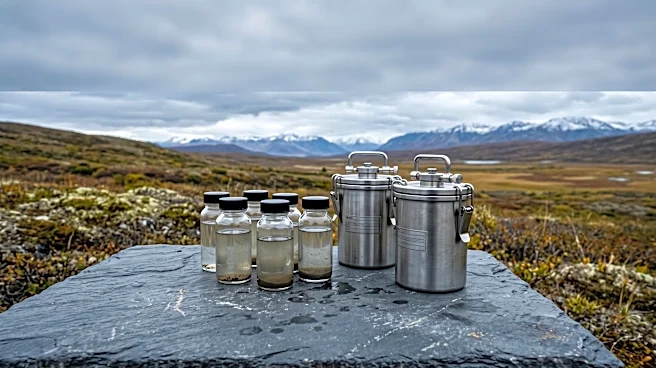
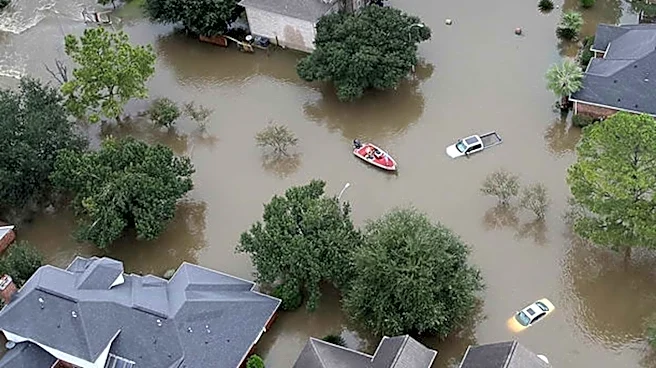
Yukon-Kuskokwim Delta. Parham Azimi, a research associate with the Healthy Buildings Program, led efforts to collect environmental samples and assess conditions. During their 2025 trip, the team found arsenic levels exceeding World Health Organization limits in over half of the water samples and high levels of indoor mold. The village lacks a formal waste management system, leading to trash accumulation in a lagoon and potential oil and gasoline spills from old vehicles into water and soil. This research follows a previous visit and a follow-up after Typhoon Halong caused unprecedented flooding in the region, highlighting the community's vulnerability to environmental health issues.
Why It's Important?
This initiative is crucial for understanding and mitigating environmental health risks in vulnerable U.S. communities, particularly those in remote areas like Tuntutuliak. The findings of elevated arsenic and mold levels underscore significant public health concerns, as these toxins can lead to various health problems. The absence of a formal waste management system exacerbates these issues, posing long-term threats to the community's water and soil quality. The project also serves as a model for addressing environmental challenges in other rural locations, as noted by Joseph Allen, director of the Healthy Buildings Program. The lessons learned from Tuntutuliak could inform strategies to protect other communities facing similar threats, especially in the context of increasing climate-related disasters like flooding. The reliance on state or federal resources for waste management highlights a broader need for governmental support in addressing environmental inequities in underserved regions.
What's Next?
The research team plans to publish another paper combining data from both of their visits to Tuntutuliak, which will provide a more comprehensive understanding of the environmental conditions. While the team has offered immediate suggestions to residents, such as using water purification pills and removing shoes to prevent tracking contaminants, the long-term solution for the waste management problem will likely require significant state or federal resources. The Healthy Buildings Program aims to use the insights gained from Tuntutuliak to help other communities facing similar environmental hazards, particularly those vulnerable to flooding. This ongoing work emphasizes the need for continued monitoring, community engagement, and external support to implement sustainable solutions for environmental health in remote U.S. regions.
Beyond the Headlines
The situation in Tuntutuliak sheds light on the disproportionate environmental burdens faced by indigenous and remote communities in the U.S. The lack of basic infrastructure, such as formal waste management systems, coupled with the impacts of climate change like increased flooding, creates a complex web of health and environmental challenges. This case highlights the ethical imperative to provide equitable access to environmental protection and public health resources for all U.S. citizens, regardless of their geographic location. The research also underscores the cultural dimension of environmental health, as traditional ways of life in these communities are intimately tied to the health of their environment. Addressing these issues requires not only scientific expertise but also a deep understanding of local contexts and strong partnerships with community members to ensure solutions are culturally appropriate and sustainable.