




What's Happening?
Iowa Secretary of Agriculture Mike Naig has provided insights into the latest Iowa Crop Progress and Condition Report, released by the USDA National Agricultural Statistics Service. The report, which is published weekly from April through November, details
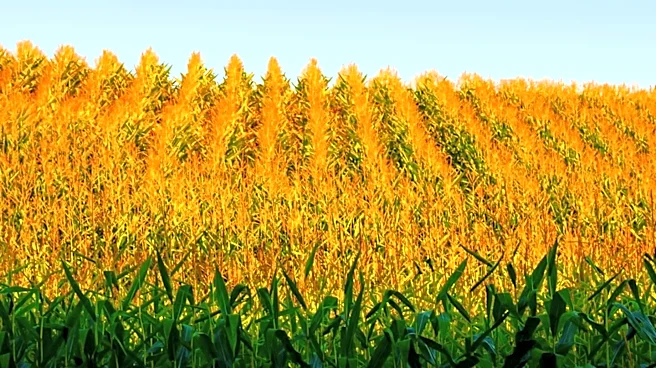
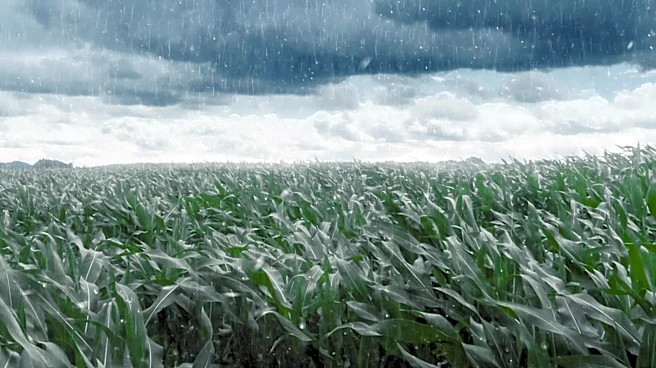
the current state of crop conditions in Iowa. Recent thunderstorms have brought much-needed rainfall to northern Iowa, although they were accompanied by isolated hail and straight-line winds. The upcoming week is expected to see a significant rise in temperatures, with a heat dome pushing temperatures into the 90s, which is more than 10 degrees above the average for this time of year. Secretary Naig emphasized the importance of agriculture in the nation's history and its ongoing role in America's strength and prosperity.
Why It's Important?
The report highlights the critical role of weather in agricultural productivity, particularly in a state like Iowa, which is a major contributor to the U.S. agricultural sector. The combination of rainfall and rising temperatures can significantly impact crop yields, affecting both local and national markets. The agricultural sector's performance is crucial for the economy, influencing food prices and supply chains. As the nation celebrates its 250th anniversary, the report underscores the enduring significance of agriculture in sustaining the country's growth and security. Farmers' ability to adapt to weather conditions is vital for maintaining the stability of food production and supply.
What's Next?
With the forecasted heat wave, farmers will need to monitor their crops closely to mitigate any potential heat stress. The increase in suitable days for fieldwork compared to the previous year suggests that farmers may have more opportunities to manage their crops effectively. The ongoing weather conditions will require strategic planning to ensure optimal crop health and yield. Stakeholders, including policymakers and agricultural organizations, may need to consider additional support or resources to assist farmers in navigating these challenges.