


What's Happening?
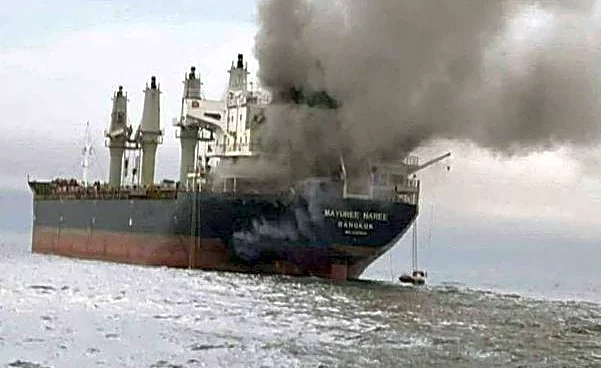
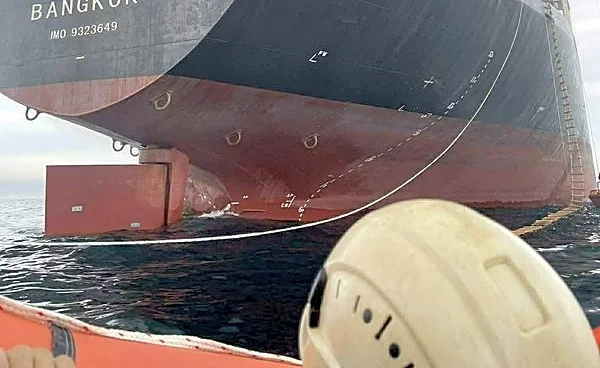
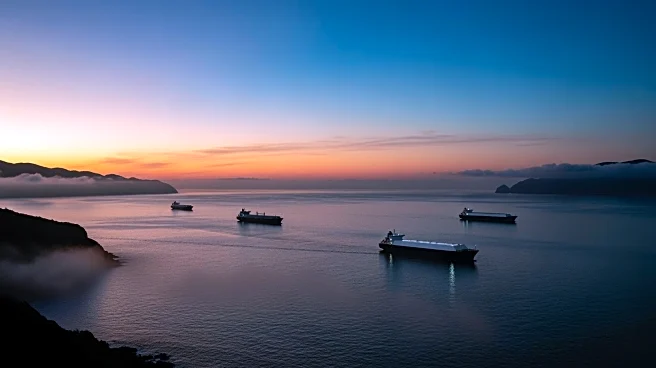
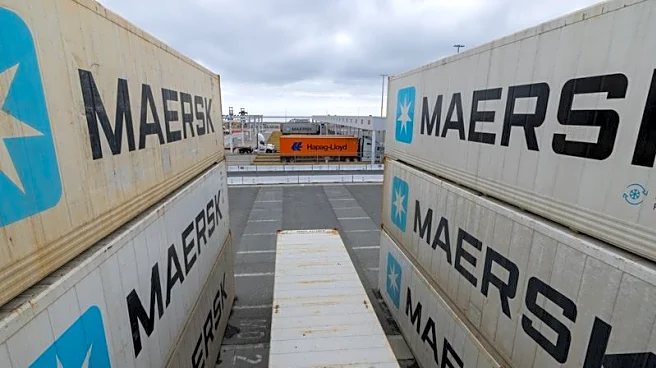
Three vessels have been struck by unknown projectiles in the Strait of Hormuz, a critical maritime passage for global oil and gas supply. The incidents involved the Thailand-flagged bulk carrier Mayuree Naree, the Japan-flagged container ship One Majesty,
and the Marshall Islands-flagged bulk carrier Star Gwyneth. The Mayuree Naree was damaged approximately 11 nautical miles north of Oman, leading to a fire that was later extinguished without environmental impact. The One Majesty sustained minor damage northwest of Ras Al Khaimah in the UAE, while the Star Gwyneth's hull was damaged 50 miles northwest of Dubai. All crew members on the affected vessels are reported safe. These attacks have contributed to a significant reduction in traffic through the Strait of Hormuz since the onset of the Iran conflict on February 28, with at least 14 ships attacked to date.
Why It's Important?
The Strait of Hormuz is a vital artery for the global oil and gas industry, accounting for about 20% of the world's supply. The recent attacks highlight the vulnerability of this critical passage amid escalating tensions in the region. Disruptions in the Strait can have far-reaching implications for global energy markets, potentially leading to increased oil prices and economic instability. The safety of maritime operations in this area is crucial for maintaining steady energy supplies, and continued attacks could exacerbate geopolitical tensions, affecting international trade and economic relations.
What's Next?
The ongoing conflict in the region suggests that further incidents could occur, potentially leading to increased military presence and security measures in the Strait of Hormuz. Stakeholders, including international maritime organizations and governments, may need to collaborate on strategies to ensure the safety of vessels and the stability of global oil supplies. The situation could prompt diplomatic efforts to de-escalate tensions and secure the passage for commercial shipping.