





What's Happening?
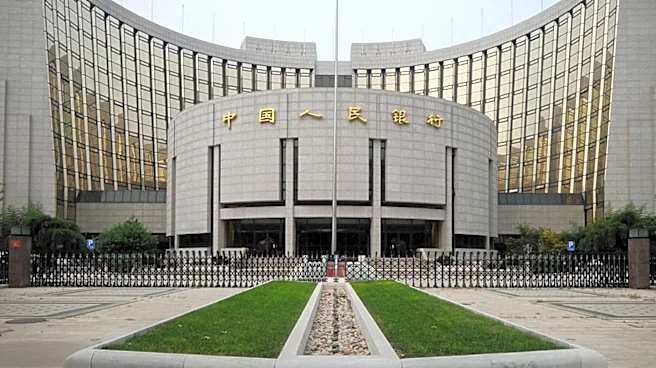
China has broadened its scrutiny of religious beliefs to include public workplaces and educational institutions in Chengdu. Employees at a public hospital were mandated to disclose their religious affiliations, while education authorities collected information
on the religious backgrounds of students and their families. This initiative is part of a 'regular investigation of ideological, ethnic, and religious work.' Internal documents and anonymous accounts from individuals familiar with these practices, who fear reprisals, form the basis of this report. The directive from the public hospital required all employees, including permanent, contracted, and temporary staff, to provide details about their religious affiliation or confirm they have 'no religious belief.' Members of the Chinese Communist Party are prohibited from practicing religion, and those with religious affiliations are required to report this to their Party branch. Religious activities and proselytizing are also banned in the workplace.
Why It's Important?
This expansion of religious scrutiny in Chengdu reflects a broader policy by the Chinese Communist Party to manage religious affairs as an issue of political and ideological control. The 'Sinicisation of religion' policy aims to align religious groups with Chinese law and the state's political and cultural priorities. President Xi Jinping has advocated for stronger Party leadership over religious affairs, integrating religious work into the Party's overall leadership system. This move could further restrict religious freedom and expression within China, particularly for public employees and students, potentially leading to increased self-censorship and suppression of religious practices. The collection of such sensitive personal information by state entities raises significant privacy concerns and could be used to monitor and control citizens based on their beliefs, impacting their employment, education, and social standing.
What's Next?
The reported measures are expected to continue as part of the Chinese Communist Party's ongoing efforts to assert control over religious affairs. Similar restrictions on religious belief among public employees are reportedly in place in other parts of the country, suggesting a potential nationwide implementation or reinforcement of these policies. Individuals with religious affiliations, especially those in public service or education, may face increased pressure to conform to state-approved ideologies or conceal their beliefs. The long-term implications could include a further erosion of religious diversity and individual freedoms in China, as the government continues to integrate religious work into its broader political and ideological framework. The international community may continue to monitor these developments for human rights implications.
Beyond the Headlines
The intensified scrutiny of religious beliefs in public institutions highlights the Chinese government's deep-seated concern with maintaining ideological uniformity and control. This policy extends beyond mere regulation of religious organizations to directly impact individuals' personal lives and professional careers. The requirement for employees and students to disclose their religious affiliations, even if they have none, underscores a pervasive state surveillance mechanism designed to identify and manage potential ideological deviations. This approach could foster an environment of distrust and fear, where individuals are hesitant to express their beliefs, leading to a chilling effect on religious practice and intellectual freedom. The 'Sinicisation' policy, while framed as a means of cultural integration, effectively serves as a tool for political assimilation, aiming to subordinate religious identity to national and Party loyalty.