






What's Happening?
New single-family home completions in the U.S. have fallen to an annual rate of 840,000 as of September, marking the lowest level since May 2020. This decline is attributed to rising mortgage rates, increased costs for energy and materials, and a worsening
labor supply, according to a recent U.S. Census Bureau survey and an October survey by the National Association of Home Builders (NAHB). The Northeast and South regions experienced the most significant drops in single-family home completions, with decreases of 17% and 15% respectively. In contrast, apartment building showed a mixed picture, with national declines but sharp increases in the Midwest (53%) and West (18%). Buyer interest in new homes has also decreased due to rising costs, leading 43% of builders to cut prices in October, the largest proportion in recent years.
Why It's Important?
The stagnation of new home completions at early pandemic levels highlights significant challenges within the U.S. housing market. This trend directly impacts housing affordability and availability, potentially exacerbating the existing supply-side constraints. The rising costs of materials and energy, coupled with an aging workforce and immigration enforcement activities that deter legal workers, are creating a bottleneck in construction. This situation affects potential homebuyers by limiting options and keeping prices elevated, despite builders' efforts to reduce prices. The regional disparities in construction activity also suggest uneven economic impacts across the country, with the Northeast and South facing more pronounced slowdowns in single-family housing development. The overall reduction in housing supply can have long-term implications for economic growth and household formation.
What's Next?
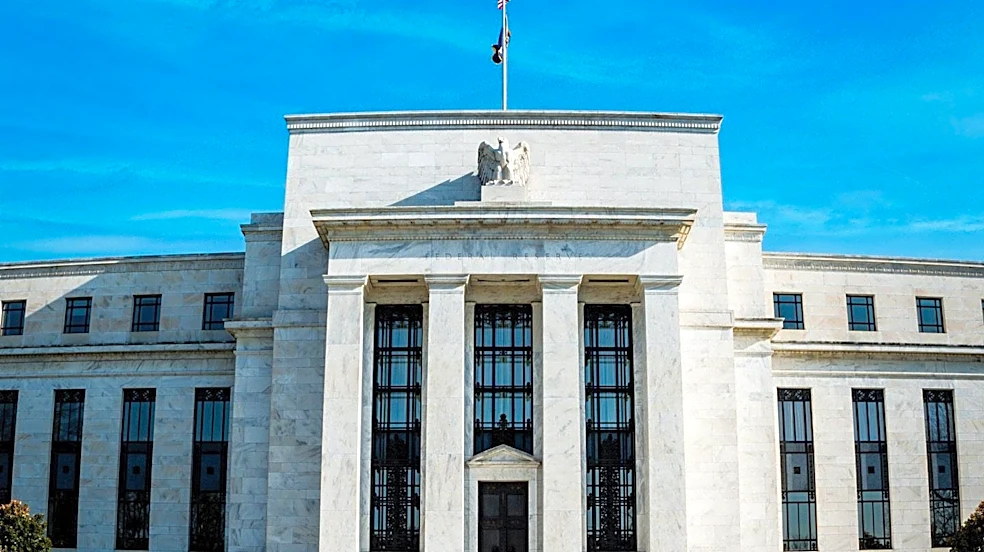
The housing market is expected to continue grappling with supply-side constraints and affordability issues. Builders may need to further adjust pricing strategies or explore alternative construction methods to mitigate rising costs and labor shortages. Policy discussions around immigration and workforce development could become more prominent as stakeholders seek solutions to the dwindling skilled labor pool. The disparity between single-family and multi-family housing completions suggests a potential shift in housing development focus, with more emphasis on apartments in certain regions. Future interest rate decisions by the Federal Reserve will also play a crucial role in determining mortgage rates and, consequently, buyer demand and construction activity. The National Association of Home Builders will likely continue to advocate for policies that address these challenges.
Beyond the Headlines
The current state of new home completions reflects deeper structural issues within the U.S. economy, including demographic shifts and the impact of global supply chains. The aging workforce in construction, combined with stricter immigration enforcement, points to a need for comprehensive workforce development strategies and potentially a re-evaluation of immigration policies to support critical industries. The increasing cost of homeownership could also lead to broader societal implications, such as delayed family formation, reduced geographic mobility, and increased wealth inequality. Furthermore, the environmental impact of construction, particularly concerning energy and material costs, may drive innovation towards more sustainable and cost-effective building practices in the long run. The ongoing challenges in housing supply underscore the complex interplay between economic, social, and political factors.