



What's Happening?
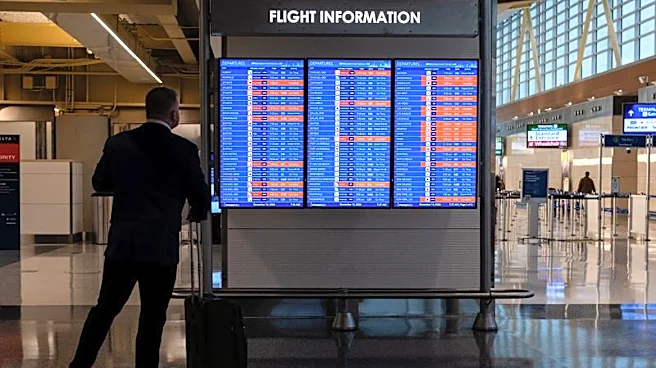
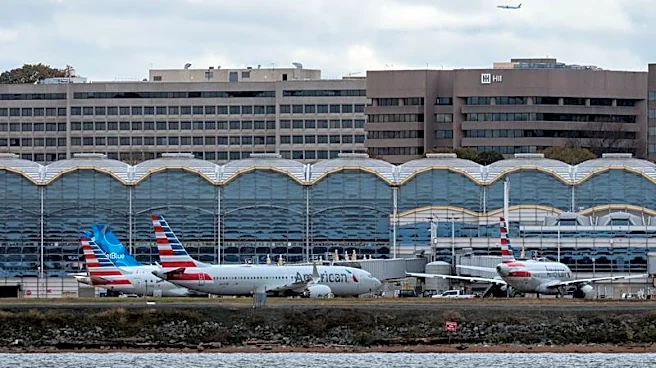
Dallas-Fort Worth International Airport (DFW) experienced significant travel disruptions on Sunday, with hundreds of flights delayed and canceled. This chaos followed a nationwide Federal Aviation Administration (FAA) ground stop that occurred on Friday.
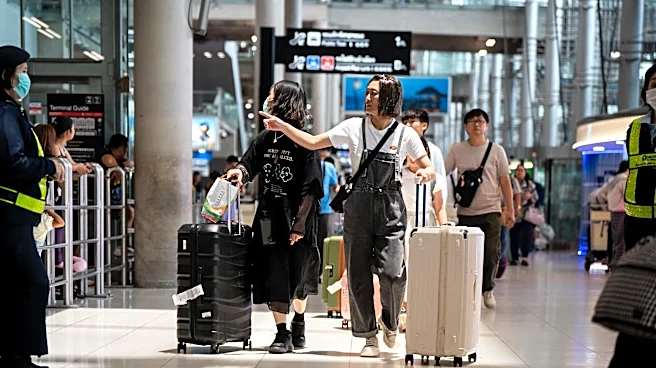
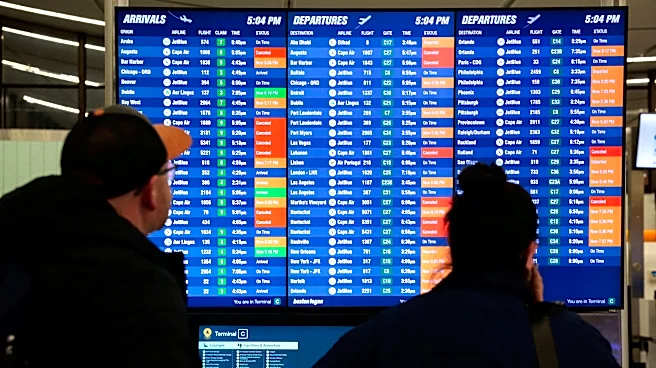
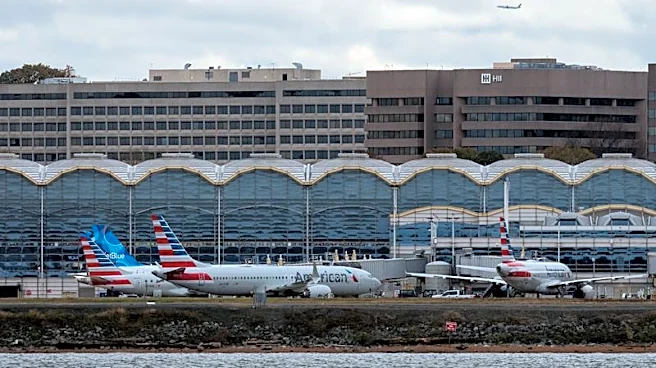
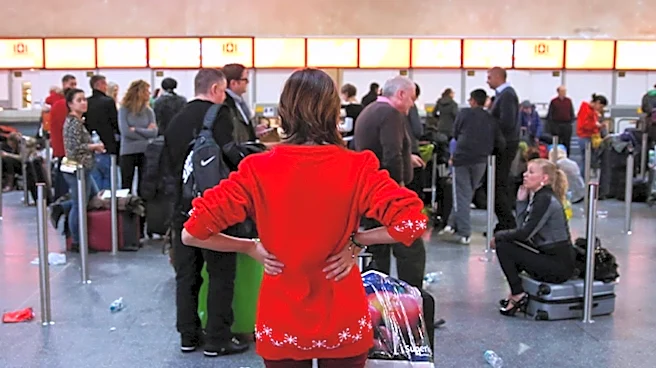
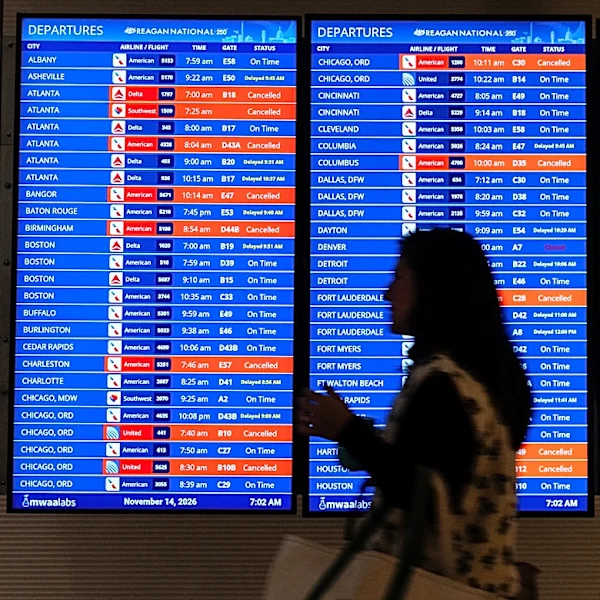
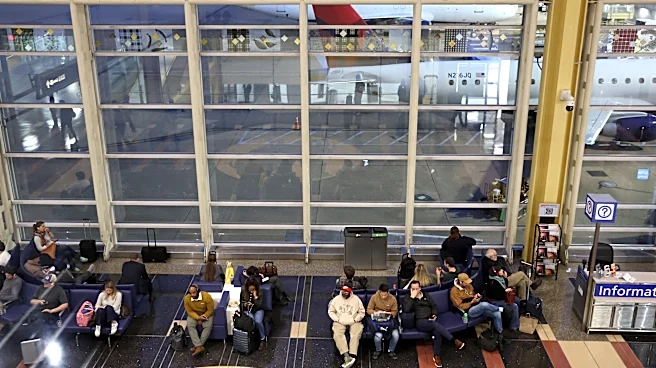
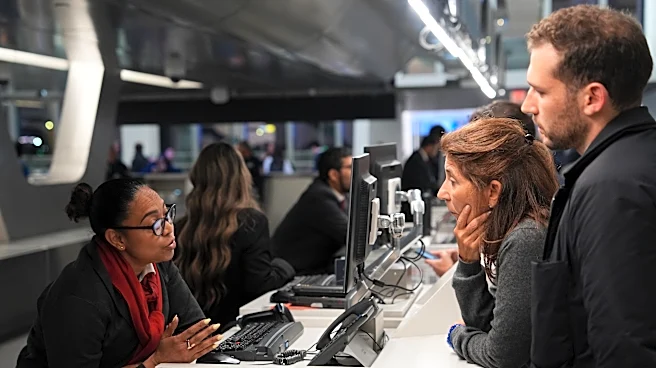
According to FlightAware, over 800 flights at DFW were delayed, and more than 300 were canceled, with American Airlines accounting for the majority of these cancellations. Passengers were left stranded, with many spending the night in airports, facing long customer service lines, crowded terminals, and last-minute flight changes. Travelers described a frustrating experience, with some like Hyma Cherukuri moving between multiple terminals in an attempt to catch a flight, only to face repeated cancellations. The disruptions also extended to long TSA lines and luggage piling up in baggage claim areas, compounded by heavy traffic outside the terminals.
Why It's Important?
The ongoing flight delays and cancellations at DFW Airport have significant implications for travelers, airlines, and the broader U.S. economy. For passengers, these disruptions lead to missed connections, lost time, unexpected expenses, and considerable stress, particularly as the busy Thanksgiving and Christmas holiday travel seasons approach. For airlines, such widespread cancellations result in substantial financial losses, operational challenges, and damage to customer trust. The incident highlights the fragility of the air travel system, where a single nationwide ground stop can cascade into days of recovery efforts. It also underscores the critical role of the FAA in maintaining air traffic control infrastructure and the need for robust contingency plans. Economically, prolonged travel disruptions can impact business travel, tourism, and supply chains, affecting various sectors that rely on efficient air transportation. The situation raises questions about the resilience and capacity of the U.S. air travel system to handle both routine and unexpected challenges.
What's Next?
Airlines and airport authorities at DFW will be focused on restoring normal operations and rebooking stranded passengers in the coming days. This will involve working through backlogs of flights and luggage, and managing customer service inquiries. With Thanksgiving and Christmas holiday travel seasons rapidly approaching, there will be increased pressure on airlines to ensure their operations are fully back on track to avoid further widespread disruptions. The FAA may conduct a review of the Friday ground stop to identify causes and implement measures to prevent future occurrences. Travelers are advised to check their flight statuses frequently and consider alternative travel arrangements if possible. The incident may also prompt discussions among policymakers and industry leaders about investments in air traffic control technology and airline operational resilience to better handle future challenges.
Beyond the Headlines
The DFW travel chaos, stemming from a nationwide FAA ground stop, brings to light the intricate and often vulnerable nature of modern infrastructure. Beyond the immediate inconvenience, this event highlights the critical dependence on complex technological systems for daily life and commerce. The ethical implications include the responsibility of airlines and regulatory bodies to communicate effectively with passengers and provide adequate support during disruptions. Culturally, such events can erode public trust in air travel and lead to increased anxiety about future trips. The long-term shift could involve greater investment in redundant systems and advanced technologies for air traffic control, as well as a re-evaluation of airline scheduling practices to build in more buffer time. This incident serves as a stark reminder of how interconnected our systems are and how a single point of failure can have far-reaching consequences across the nation.