


What's Happening?
The ongoing conflict in the Middle East and the near-closure of the Strait of Hormuz have led to a surge in global fuel prices, prompting several countries to implement fuel rationing measures. The International Energy Agency describes the disruption
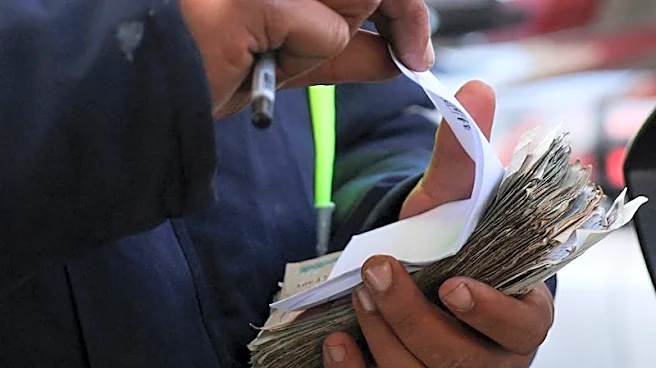
as the largest supply shock in the history of the global oil market. Countries like Sri Lanka, Myanmar, Cambodia, Slovenia, Bangladesh, and Indonesia have introduced various forms of fuel rationing to manage limited supplies. These measures include QR-code-based systems, odd-even license plate restrictions, and purchase limits per vehicle.
Why It's Important?
Fuel rationing indicates a severe energy crisis, moving beyond price spikes to physical supply stress. Countries heavily reliant on imported oil face significant challenges as strategic reserves and subsidies prove insufficient. The situation underscores the vulnerability of global energy markets to geopolitical conflicts and the need for diversified energy sources. The economic impact is profound, affecting transportation, industry, and consumer behavior, with potential long-term implications for energy policy and international relations.
What's Next?
As the situation evolves, more countries may adopt fuel rationing if supply conditions worsen. Governments might explore alternative energy sources and strengthen strategic reserves to mitigate future disruptions. The crisis could accelerate the transition to renewable energy and influence global energy policies. Diplomatic efforts to resolve the conflict and stabilize oil markets will be crucial in the coming months.