


What's Happening?
A group of 4,000 French actors, including Bérénice Bejo, Léa Drucker, and Swann Arlaud, have signed an open letter condemning the use of artificial intelligence (AI) in the entertainment industry. The letter, supported by Adami, a collective management
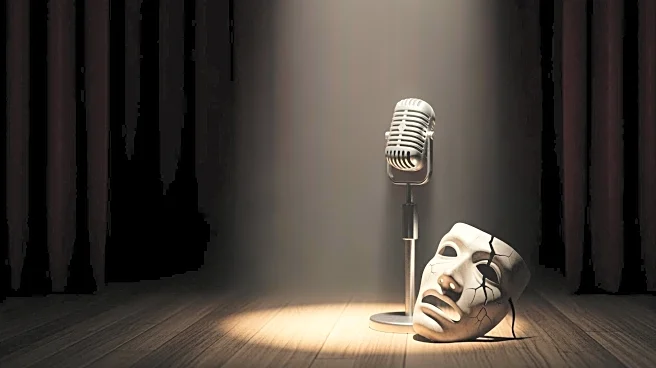
organization for performers' rights, describes AI as a 'devouring hydra' that is engaged in 'organized plundering' of artists' work. The actors highlight issues such as unauthorized voice cloning and image scraping, which they argue undermine their rights and livelihoods. The letter calls for urgent political action to protect performers from these practices, emphasizing the need for legal frameworks that ensure AI can coexist with artistic work while respecting copyright and related rights. This comes as the European Union is implementing its AI Act, which does not yet fully address performers' likenesses or voice cloning.
Why It's Important?
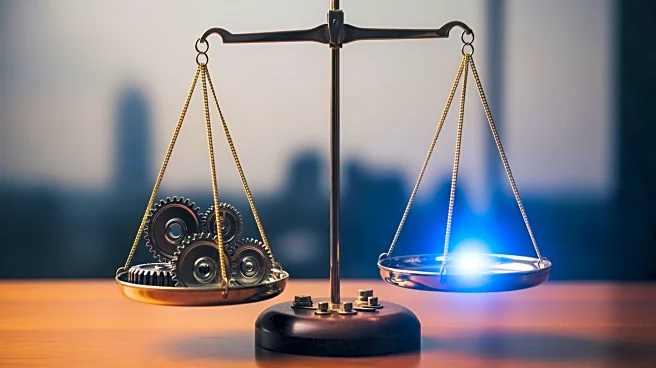
The actors' protest against AI highlights significant concerns about the impact of technology on creative industries. Unauthorized use of performers' voices and images can devalue their work and reduce employment opportunities, particularly for lesser-known actors who may feel pressured to accept unfavorable contracts. The call for political intervention underscores the need for regulations that balance technological advancement with the protection of individual rights. This issue is part of a broader debate on how AI should be regulated to prevent exploitation while fostering innovation. The outcome of this debate could influence policies not only in France but also in other countries grappling with similar challenges.
What's Next?
French actors are urging national lawmakers to adopt stronger measures to protect performers' rights in the face of AI advancements. As the European Union's AI Act is rolled out, there may be increased pressure on individual countries to implement complementary national regulations. The entertainment industry and policymakers will likely engage in discussions to find a balance between technological innovation and the protection of creative professionals. The response from lawmakers and the effectiveness of any new regulations will be closely watched by other countries facing similar issues.